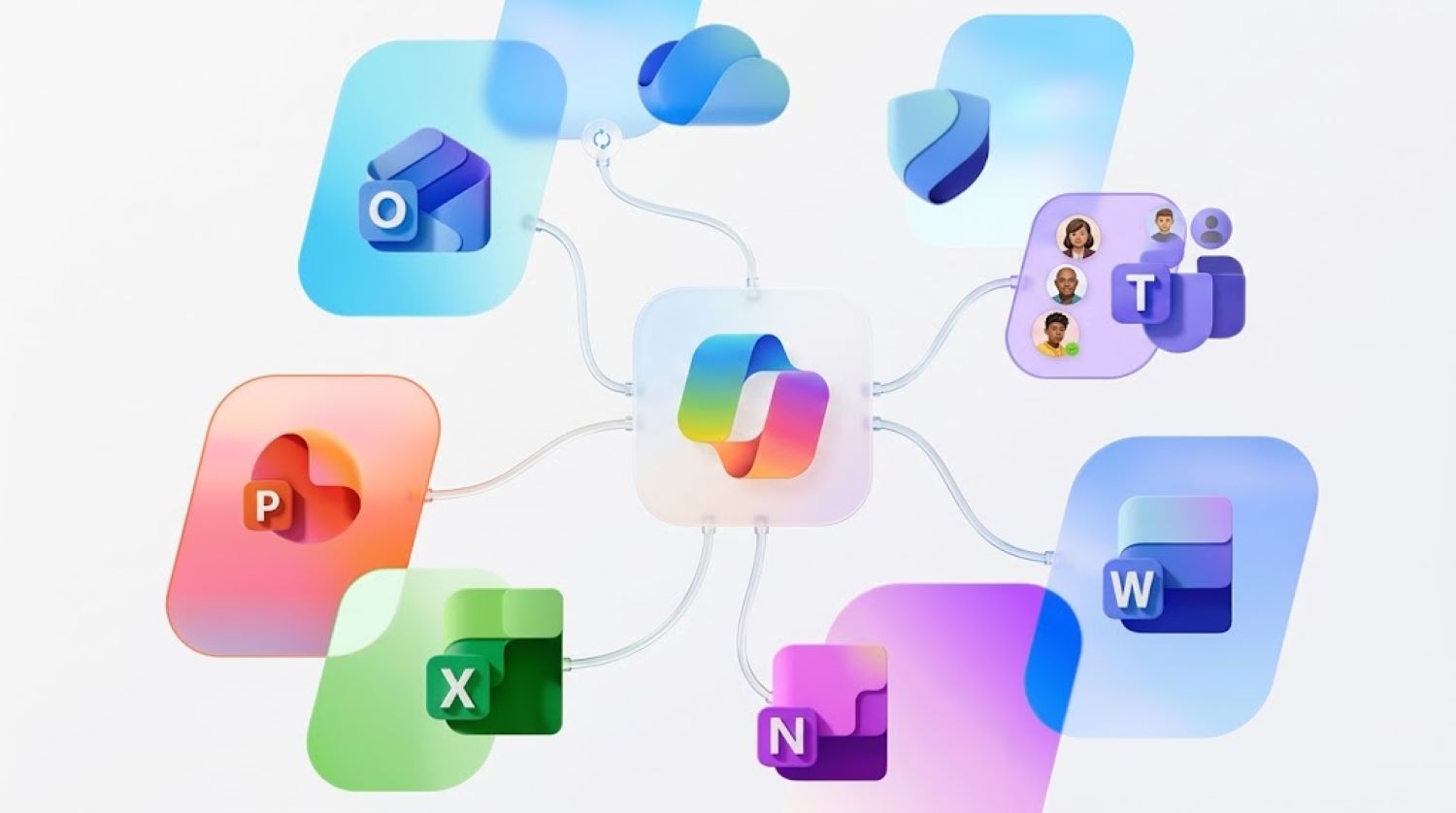
Your Microsoft 365 subscription renews quietly, often before you have a chance to reconsider it. That recurring friction is the exact problem Brandon Thomas is trying to address with ArtCraft. If you suspect you are paying too much for software subscriptions, you are not alone.
Thomas, the developer behind a set of free Adobe-alternative tools under the ArtCraft banner, has released three open-source applications targeting Microsoft Word, Excel, and PowerPoint. All three are written in Rust, hosted on GitHub, and available without an account or a subscription.
What ArtCraft Is Actually Offering
The three applications cover Microsoft Office’s core territory, with stated feature sets that are more ambitious than you might expect from a single developer.
WordCraft targets DOCX compatibility and lists support for styles, tables, track changes, references, and mail merge in project documentation. GridCraft aims at spreadsheet workflows, with formula support, charts, and PivotTable functionality attributed to ArtCraft’s own repository materials. DeckCraft handles presentations, claiming themes, layouts, animations, transitions, and PowerPoint-file compatibility.
Cross-platform builds reportedly target Windows, macOS, and Linux, with WebAssembly and FreeBSD builds also mentioned in project materials. Platform availability varies by application, so check each repository individually before assuming your operating system is covered.
The Part Worth Keeping in Mind
These applications carry alpha or pre-alpha status, and that label deserves more weight than it typically receives.
Thomas has described the Office applications as alpha or pre-alpha releases, and the projects’ reporting from Thurrott and WindowsForum reinforces that characterization. Complex spreadsheets with macros, embedded objects, and advanced formatting carry real compatibility risk. The same applies to collaborative tracked changes and presentation animations, which may fail or behave unpredictably at this stage.
The “clean-room reimplementation” label describes a development approach, not a legal guarantee of compatibility or clearance from potential patent or trademark concerns. No independent benchmark or compatibility audit was identified in the reviewed material. Feature claims originate from project documentation rather than third-party testing, and should be read accordingly. It is also worth noting that Microsoft, Amazon and other major providers face growing regulatory scrutiny that may affect how organizations evaluate their software dependencies.
Thomas used Anthropic’s Claude to accelerate development, a detail that attracted criticism from observers who associate heavy AI-assisted coding with shallow software quality. Thomas has pushed back in public statements, characterizing himself as an experienced software engineer. That description comes from his own reporting and has not been independently verified.
AI assistance is not inherently a liability in software development. The more consequential question is what follows the prototype stage. Code quality, security review, test coverage, standards compliance, and sustained contributor activity will matter far more than the speed at which the initial repositories appeared.
CAD Is Next, and That’s a Harder Target
Coverage has identified a potential AutoCAD-style project within the ArtCraft ecosystem, though the difficulty of that target is substantially higher than office productivity software.
CADCraft has been identified in coverage by Tom’s Hardware and Startup Fortune as a possible next direction for the project. Professional CAD software is a more demanding technical problem than word processing. Precise geometry, standards compliance, constraint systems, and long-term file interoperability are not optional for engineers and architects who depend on them in production environments.
Whether ArtCraft reaches that territory is a question worth tracking, not a conclusion worth drawing yet.
If you are a Linux user, student, or small-business owner working primarily in basic documents and spreadsheets, ArtCraft is worth monitoring as these projects develop. There are also AI-powered websites that can supercharge your productivity in the meantime. If your team’s quarterly reports or a client’s production files are at stake, the suite is not ready for that responsibility. The real test arrives later: whether these repositories attract contributors, hold up under independent testing, and stay actively maintained well past the initial announcement cycle.