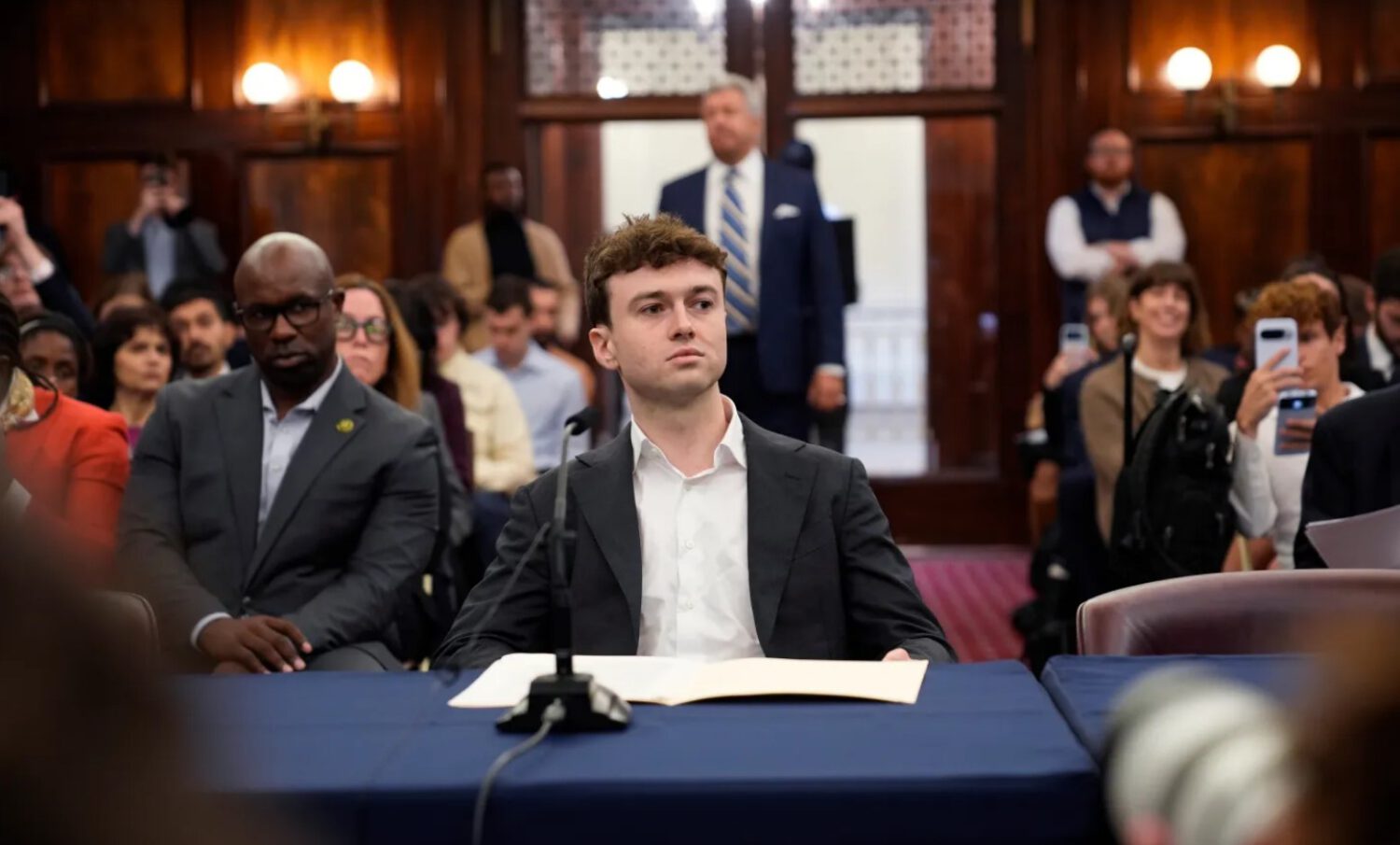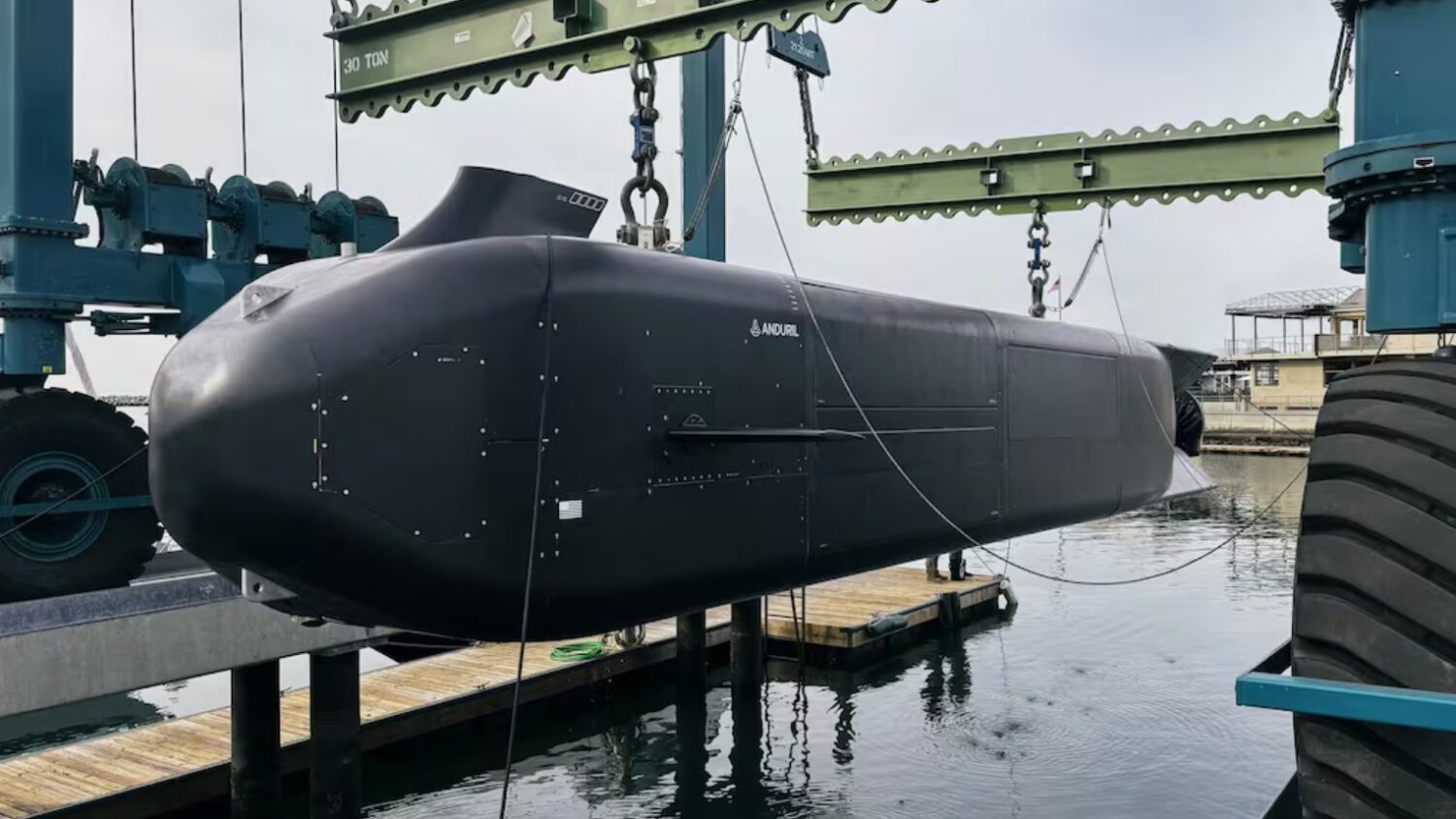
A company built on drones and military software is now planning to manufacture Virginia-class submarine components at a former Bethlehem Steel site, backed by a potential $2.9 billion Navy contract. The fact that founder Palmer Luckey joined a Pentagon advisory group shortly before the contract landed adds an accountability dimension that deserves direct scrutiny.
No available reporting establishes that Luckey’s appointment caused or influenced the Navy award. That distinction matters, and it should be stated plainly.
Two Financial Pieces, One Big Question
The structure here is unusual, and understanding the difference between the two financial commitments is essential.
Traditional shipbuilders build ships. Anduril is doing something structurally different.
The Navy contract, worth up to $2.9 billion, covers Virginia-class submarine component production. That ceiling value depends on milestones, quantities, and performance options, not a guaranteed payout. Separately, Anduril is committing $3.7 billion of its own capital to build Arsenal-2. The facility exceeds 2 million square feet at Sparrows Point, Baltimore County, Maryland, with operations targeted for 2030.
As Anduril President and Chief Strategy Officer Chris Brose told Military Times, the government is purchasing production results; Anduril bears responsibility for standing up the manufacturing capacity itself. A second facility in Orange County, California, roughly 160,000 square feet, will handle torpedo tube production.
Bigger Than the Numbers Suggest
Anduril enters a supply chain with a long institutional history and documented production pressure.
Virginia-class submarines are currently built by General Dynamics Electric Boat and Huntington Ingalls Industries, two companies with decades of naval manufacturing history. Anduril enters as a new component supplier into a supply chain already straining under documented production bottlenecks.
The Sparrows Point site carries real industrial symbolism. Anduril projects the facility will create approximately 3,100 jobs and contribute roughly $2 billion annually to the regional economy. Those are company projections, not independently verified figures, and that distinction matters when policymakers begin treating them as settled fact.
The Oversight Gap Nobody Is Naming Loudly
Proximity is not causation, but proximity still requires explanation.
Luckey’s appointment to Project Meridian, a Pentagon initiative focused on identifying capabilities for future U.S. conflicts, is recent. The Navy submarine contract followed shortly after. The available reporting does not support a finding of improper conduct.
Responsible procurement oversight does not wait for wrongdoing. It asks questions in advance: What recusal procedures governed Luckey’s participation in discussions relevant to submarine capability gaps? Was the competitive procurement timeline documented independently of his advisory role? Anduril reportedly holds a Pentagon enterprise agreement valued at up to $20 billion over 10 years, though that figure has not been confirmed through an official contract notice. That scale of federal relationship makes government health, financial, and legal data oversight a structural necessity, not a courtesy.
The Execution Risk Is Not Abstract
If you track defense procurement, the gap between Anduril’s software background and certified naval manufacturing is worth watching closely.
Arsenal-2 is not expected to begin operations until 2030. Submarine manufacturing requires Navy-certified processes, supplier qualifications, and workforce expertise that take years to build. The full contract value remains contingent on performance, which is the right structure. It also means the $2.9 billion figure could look very different by 2032.
What Good Looks Like
The industrial ambition is real; the oversight infrastructure needs to match it.
Expanding submarine component capacity is a legitimate national security priority, and private capital assuming manufacturing risk rather than waiting for government funding is worth taking seriously. Good, in this context, looks like public procurement records confirming a clean competitive process, documented recusal procedures for Luckey’s advisory role, milestone-based contract reporting accessible to oversight bodies, and an independent assessment of whether Anduril’s entry actually strengthens the submarine supply chain. Credible industrial ambition and credible accountability structures are not mutually exclusive. Both need to show up.