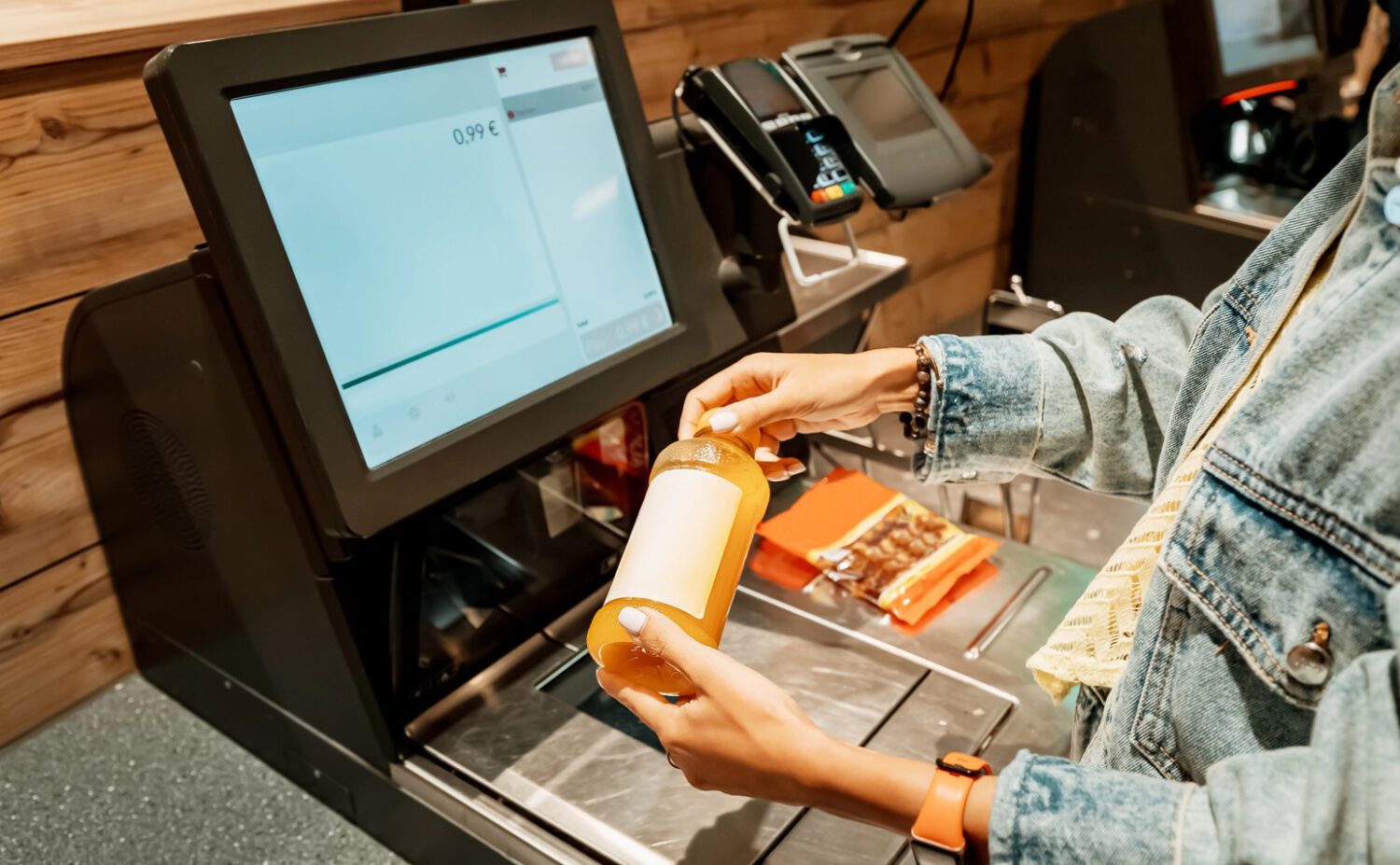
Dollar General removed or converted self-checkout registers at roughly 12,000 stores in 2024. That figure reflects a broader reckoning the industry has been slow to acknowledge about consumers paying too much for retail inefficiencies.
A 2026 Toast survey of 340 small and midsize U.S. retailers found that only 36% planned to invest in self-checkout, down from 43% the year before. It was the only technology category in the survey to lose year-over-year interest, while automated invoicing, electronic shelf labels, and accounting software each attracted at least 40% of respondents.
The Hidden Costs Nobody Advertised
The economics retailers are now confronting look very different from the pitch made at installation.
An ECR Retail Loss report found that grocery stores experienced a 22% average increase in merchandise losses during the first year after installing self-checkout kiosks. Stores using the technology recorded losses 33% higher than stores without it, though differences in store type, size, and existing security practices may also contribute to that gap.
“Shrink” is the retail industry’s term for inventory loss, and it is not synonymous with theft. Accidental missed scans, incorrect product selections, and damaged goods all factor into the figure.
Retailers still need employees stationed at kiosk areas to approve age-restricted purchases and resolve payment errors. They must also assist shoppers when scanning or bagging problems stall a transaction entirely.
That reality undercuts the original labor-saving argument. As Christopher Andrews, a sociologist at Drew University, told BBC: “they’re not saving money, they’re losing money.”
What the Major Players Are Actually Doing
Retailer by retailer, the pullback is concrete and follows a consistent pattern.
Target limited self-checkout to 10 items or fewer at most of its nearly 2,000 stores in 2024, a change the company said was intended to improve the checkout experience and support staffed lanes. Walmart, Costco, and Kroger increased employee presence around self-checkout areas; Kroger also deployed computer-vision tools to flag potential missed scans.
Amazon’s experience adds a cautionary dimension. The company opened cashierless grocery stores in 2022 using its Just Walk Out technology. Reporting later indicated that human reviewers were involved in transaction processing behind the scenes, meaning some labor had shifted off the store floor rather than disappearing from the operation.
The Perception Gap
Shoppers widely believe self-checkout is faster, even as kiosk failures remain common.
A 2021 Raydiant survey of 1,000 U.S. consumers found that 85% believed self-checkout was usually faster than a staffed lane. The same survey found that 67% had experienced a kiosk failure, including malfunctioning equipment, slow transactions, and scanning errors.
Kroger executive Donald F. Dufek raised a related concern shortly after self-checkout emerged in the late 1980s, according to secondary reporting. His argument was that shoppers perceive the process as faster because they are actively in control of it, even when the full transaction takes longer than a trained cashier would need.
Current evidence points toward a hybrid model rather than a full return to staffed lanes. Kiosks may remain for small baskets, staffed registers for complex transactions, and computer-vision tools to reduce errors in between. Whether that balance genuinely serves shoppers, or primarily serves retailers managing labor costs in a different form, remains an open question.