Six tranches of declassified records. A Harvard astrophysicist running a White House advisory council. And still, after a review of roughly 155,000 pages of U.A.P. records spanning seven countries, The New York Times found no definitive evidence that any unidentified object came from somewhere other than Earth.
That gap between institutional ambition and actual findings is what you need to understand about the Trump administration’s U.A.P. push.
The Council and Its Mandate
A new science advisory body is reviewing government U.A.P. data, but its role is to advise, not to draw conclusions.
Formed in June 2026, the U.A.P. Science Advisory Council is chaired by Harvard theoretical astrophysicist Avi Loeb. The council reports to the U.A.P. Governance Board, which operates under the Office of the Director of National Intelligence.
The broader structure coordinates with the Pentagon’s All-Domain Anomaly Resolution Office, the FBI, and other intelligence-community agencies. The council’s membership reflects deliberate range: retired Rear Adm. Tim Gallaudet and Stanford professor Garry Nolan sit alongside anthropologist Peter Skafish and skeptical member Michael Shermer.
The council’s job is to advise on evidence collection, review unresolved cases, and assess national-security implications. It does not make findings.
What the Files Actually Contain
The released records are a substantial archive, but they are not a revelation.
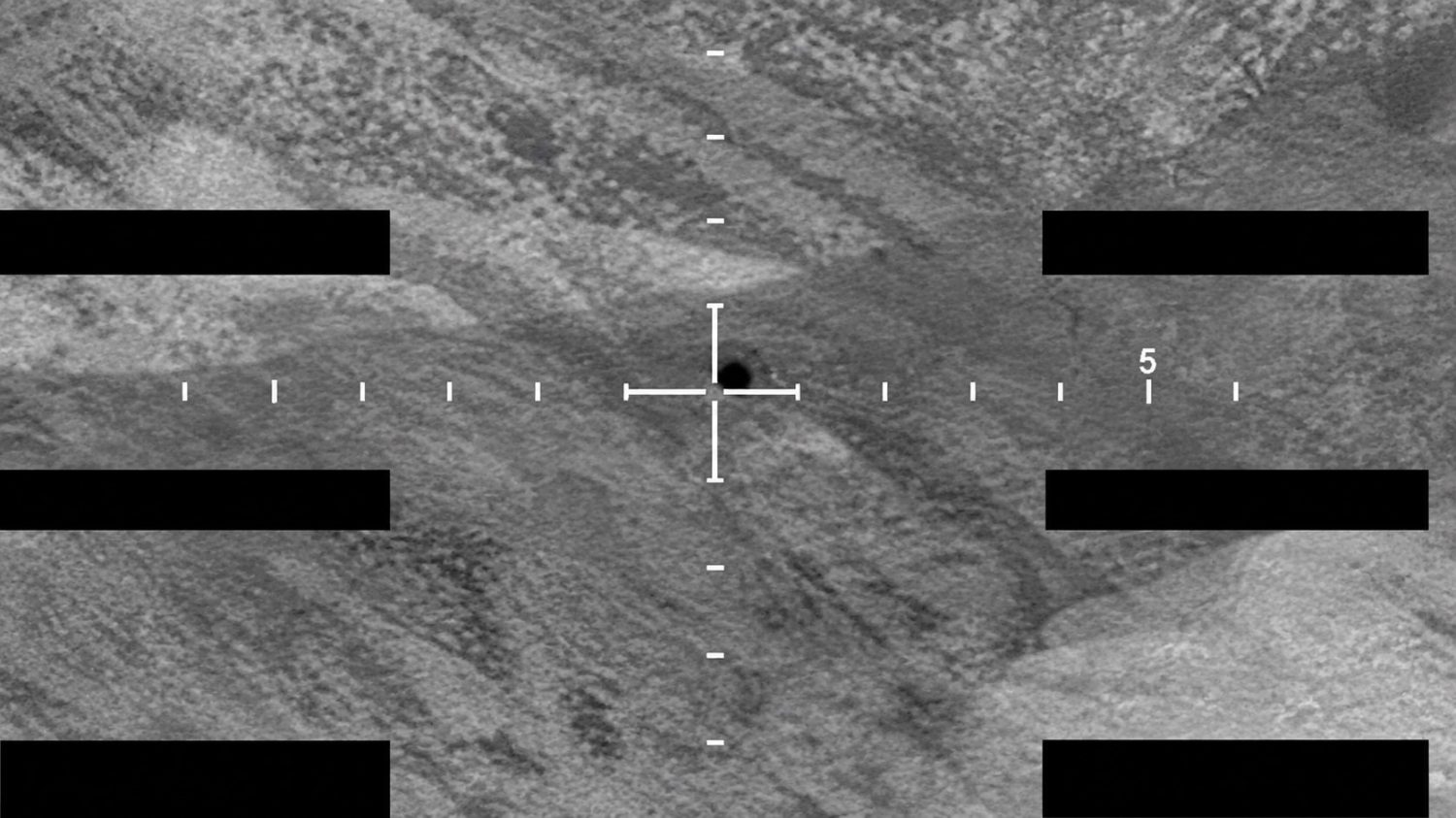
The 2026 releases include a mix of material that reads less like a smoking gun and more like a government archive doing what archives do: accumulate paper. The released records include military and intelligence documents, video and audio clips, infrared sensor data, FBI and NASA records, and artist renderings tied to historical reports.
Two episodes stand out. In October 2023, federal agents investigating drone activity near sensitive sites in the western United States reported seeing fast-moving lights converge into a bright orb. They reported the lights changed direction rapidly and produced additional colored lights.
A Pentagon memorandum described agents observing “orbs launching other orbs,” according to The New York Times. The report is notable because government personnel made it; it does not establish that the objects were spacecraft or technologically anomalous.
The releases also include records from a 1949 Los Alamos conference convened to investigate unexplained green fireballs appearing near nuclear-research facilities. Physicist Edward Teller attended, and no cause was determined at the time.
“Even if one in a million happens to be of extraterrestrial technological origin, it would be the biggest discovery ever made by humanity in the context of science.” , Avi Loeb, chair, U.A.P. Science Advisory Council, as reported by The New York Times.
What the Evidence Does and Does Not Show
The evidentiary record and the official findings keep arriving at the same destination.
Loeb’s reasoning is hard to dismiss on philosophical grounds. The evidence, however, tells a consistent story.
“AARO has found no verifiable evidence that any UAP sighting has represented extraterrestrial activity,” acting AARO director Tim Phillips said in an official Defense Department transcript. The office’s historical review, covering government investigations back to 1945, concluded that most sightings involved misidentified ordinary objects or phenomena, while some others likely involved experimental human technology.
Penn State professor Greg Eghigian, reviewing the latest releases, told The New York Times the documents contained nothing especially earth-shattering. That assessment reflects a broader pattern: “unidentified” means the available evidence does not support a definitive explanation, not that an extraterrestrial explanation is warranted.
The Divide
The sharpest disagreement is over whether the government has ever seriously looked.
Former AARO director Sean Kirkpatrick called the council a waste of taxpayer money designed to promote fringe theories. Loeb and his supporters argue that poor sensor design and what they describe as decades of excessive secrecy have left the most unusual cases without adequate investigation.
Shermer, the council’s skeptical member, has reportedly bet Loeb $1,000 that extraterrestrials will not be found by 2030. Individual council members including Gallaudet and Nolan have publicly suggested a nonhuman presence may exist; those are positions held by individual members, not conclusions supported by the released records.
The government has documented a continuing set of reports of unexplained observations involving military and law-enforcement personnel. None of the released material has publicly demonstrated those observations are nonhuman in origin. The council’s credibility will ultimately depend on reproducible analysis, verifiable data, and peer-reviewed publication. Until that standard is met, the record is better described as incomplete than inexplicable.