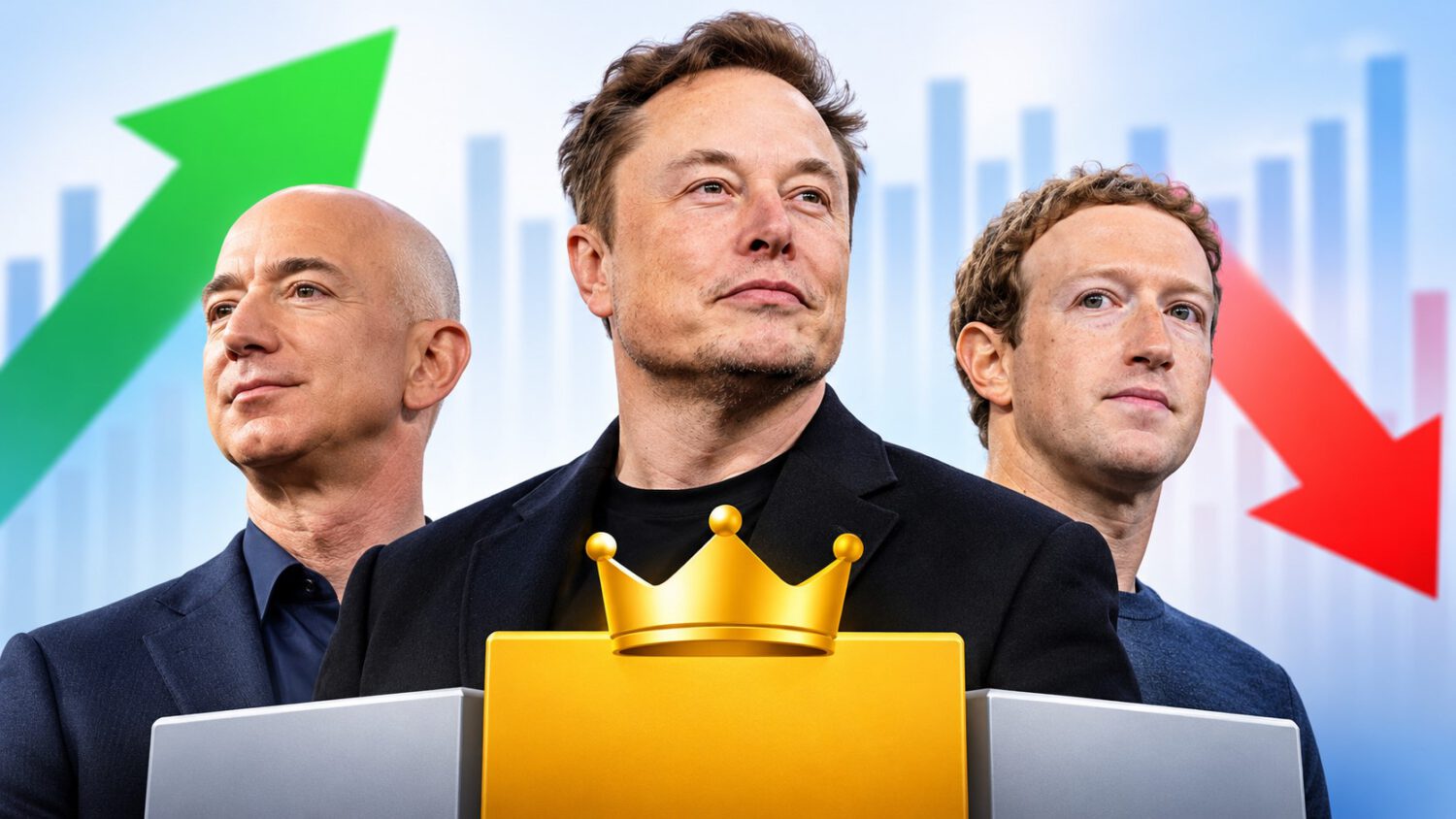
Oracle co-founder Larry Ellison added roughly $11.4 billion on Wednesday, moving ahead of Warren Buffett and Steve Ballmer into seventh place globally, according to Forbes. Michael Dell captured the session’s biggest individual gain, adding at least $17.8 billion as Dell Technologies surged, pushing him to sixth place worldwide just behind Meta’s Mark Zuckerberg.
Jensen Huang collected approximately $5.9 billion as Nvidia shares rose alongside the broader AI infrastructure rally, according to Forbes. These are mark-to-market moves: they reflect changes in the paper value of publicly traded holdings, not cash in hand, and they can reverse just as quickly.
CoreWeave Set It Off
CoreWeave’s third-quarter results landed well above analyst expectations, and the sector responded immediately.
CoreWeave reported third-quarter 2026 revenue of approximately $3.66 billion, according to SEC filings. That figure was up 168% from roughly $1.37 billion a year earlier.
The company raised its full-year 2026 revenue guidance to between $13 billion and $13.3 billion, above analyst consensus of approximately $12.86 billion, per CNBC. CoreWeave shares surged more than 20% Wednesday, and Oracle, Nebius, Iren, Applied Digital, Dell Technologies, and Nvidia also advanced as the rally spread across the sector. The Nasdaq rose 1.9% by midday EDT, according to Forbes.
Why One Company’s Earnings Moved an Entire Sector
The rally revealed how tightly the AI infrastructure ecosystem is connected.
CoreWeave is a neocloud provider: a company that builds and rents GPU-heavy computing infrastructure to AI developers, relying heavily on debt financing to fund expansion. Nvidia holds a significant equity stake in CoreWeave, per SEC filings, which tightens the financial relationship between chip suppliers and the cloud operators that depend on their hardware.
When CoreWeave’s numbers beat expectations, the effect moved quickly across the supply chain. Oracle’s data-center business, Dell’s AI server operations, and Nvidia’s chip demand all received a market endorsement in the same afternoon, based on secondary reporting from Forbes and CNBC.
The Risks Didn’t Disappear With the Rally
CoreWeave’s improved outlook left its underlying debt burden largely untouched.
The company posted a third-quarter net loss of $709 million, per SEC filings. Net interest expense alone reached $846 million in the same period, underscoring the financial cost of its rapid expansion.
CoreWeave indicated it plans to avoid unsecured debt markets and rely on cash flows from existing contracts to service its obligations, according to reporting from the Charlotte Observer. Analysts cautioned that neocloud companies remain exposed if the current shortage of AI data centers computing capacity eases before new facilities generate adequate returns, per Economic Times reporting.
Wednesday’s session confirmed that AI infrastructure spending remains robust enough to move an entire supply chain on a single earnings beat. Whether the debt structures funding that build-out can hold if demand softens is a question CoreWeave’s improved guidance did not answer.
Nebius Reports Next
A second strong quarter from a different neocloud provider would shift the narrative from one company’s execution to a sector-wide trend.
Nebius was scheduled to report third-quarter results Thursday morning, making it the next meaningful test of whether CoreWeave’s performance reflects broad AI infrastructure demand or company-specific factors, per Economic Times. Investors were expected to focus on Nebius’s revenue growth, customer commitments, capital expenditure levels, and financing plans, as those factors are central to whether the sector’s rally can continue.