Child safety online is a genuinely hard problem, and so are the AI age laws being proposed to address it. It gets considerably harder when the proposed solution involves a government deciding which speech counts as “nonsense.”
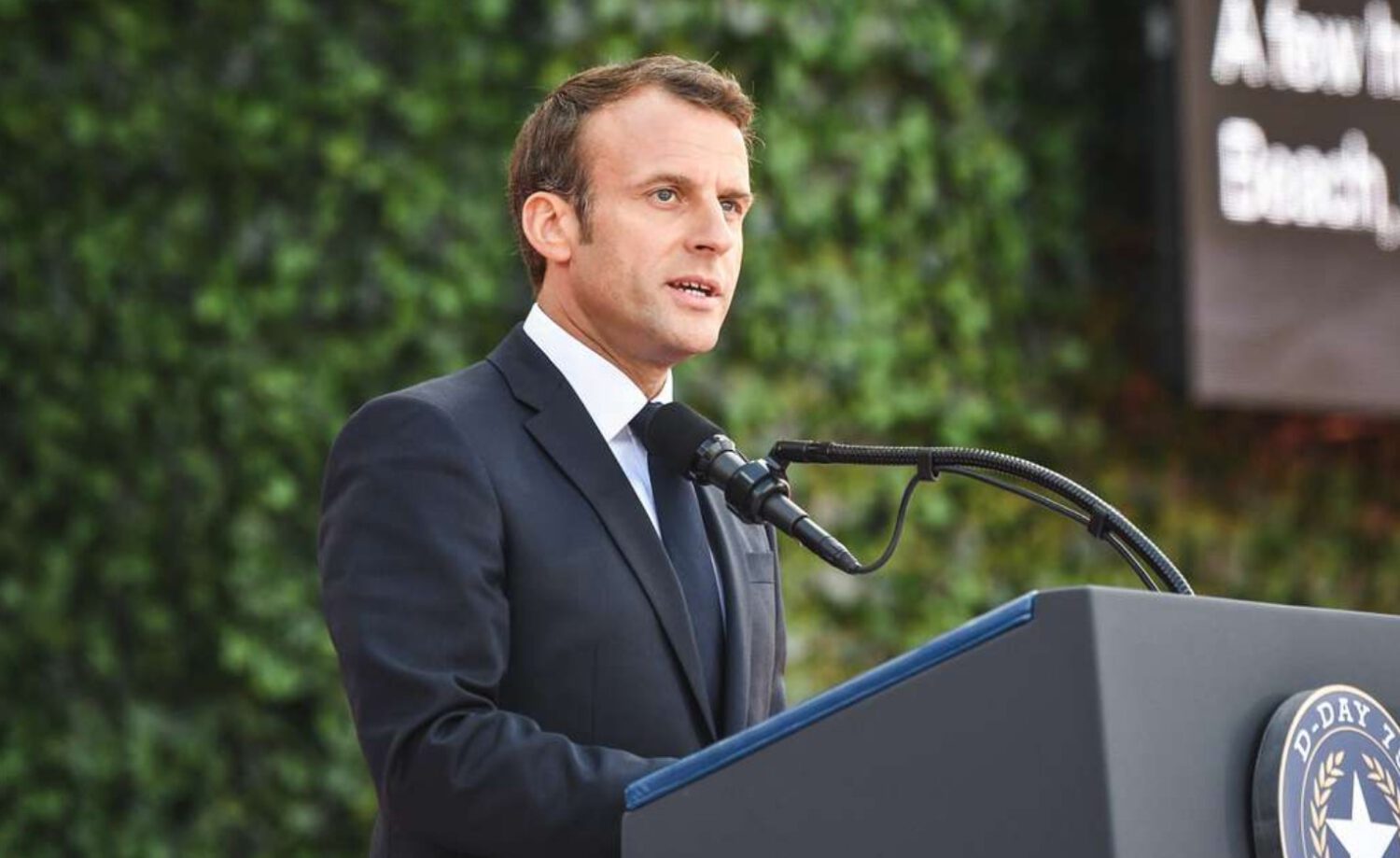
Speaking at Madrid’s Complutense University on September 29, French President Emmanuel Macron made his position plain. According to the Élysée transcript published September 30, 2026, he called the American conception of free speech “the opposite of free speech,” compared online posts to press articles subject to legal liability, and called for “trusted third parties and fact-checking structures” capable of restoring what he described as truth.
That last part is where the argument gets complicated.
What Macron Actually Said
Several distinct proposals arrived packaged as one speech, and the differences matter enormously.
Macron’s remarks cover several things that deserve to be kept separate: accountability for illegal content, platform enforcement, action against fake or unidentified accounts, age verification, and calls for fact-checking structures. Treating them as a single unified framework flatters the argument.
The legitimate concern is real. Coordinated bot networks, foreign interference campaigns, and algorithmic amplification of inflammatory content are documented problems that the DSA expressly addresses. Where Macron’s framing strains credibility is in presenting “trusted fact-checkers” restoring “truth” as a neutral technical fix, rather than a political choice about who holds the editorial pen.
The EU’s Rulebook Already Exists. It Just Has Limits.
Faster enforcement of the DSA sounds reasonable until you ask what, exactly, is being enforced.
Macron told European Commission President Ursula von der Leyen to use the Digital Services Act “much more, much faster, much more forcefully,” according to the Élysée transcript. The DSA is the EU’s framework law holding very large platforms accountable for illegal content, requiring algorithmic transparency, and mandating risk assessments for systemic harms. Europe Restricts major cloud providers from handling sensitive government data under related digital regulation efforts that illustrate the broader scope of EU platform accountability.
What it does not do is authorize governments to remove lawful speech because a state-approved body considers it false or harmful. The available research does not establish that the DSA grants governments power over contested but legal speech.
Any enforcement push that slides from “illegal content” into “speech we dispute” requires new legal authority, new scrutiny, and a harder public argument than Macron offered in Madrid.
France’s Constitutional Council Said No. Macron Says He’ll Try Again.
The court did not rule out age verification entirely; it ruled out doing it badly.
On August 14, 2026, France’s Constitutional Council struck down a proposed ban on social media access for users under 15, per Reuters. The court found the measure disproportionate, insufficiently protective of privacy, and practically requiring every user, including adults, to verify their age before accessing covered services.
Macron says a revised national law is coming, with AI-based age estimation using image recognition or hand-based technology, and he claims the relevant data would not be retained. That is a political assurance, not an independently verified technical finding. No available research confirms how such a system would work in practice, who controls the data pipeline, or what enforceable safeguards would exist , risks illustrated by cases like the surveillance app built by US operatives to target political dissidents.
The constructive point from the ruling is worth keeping in view. The court found the challenged measure disproportionate and lacking sufficient legal safeguards for privacy; it did not declare every conceivable age-verification system unconstitutional. A narrower law with genuine, enforceable privacy protections could potentially satisfy those constitutional requirements.
Accountability Is the Goal. Vagueness Is the Risk.
The critique is not that Macron is wrong to want safer platforms; it is that imprecision at this scale carries real costs.
Supporters of Macron’s position are right that verified identities could reduce coordinated manipulation and make automated interference harder to hide. Protecting children from harmful content is a legitimate policy goal, and the Constitutional Council expressly recognized it as a constitutional interest.
Enforcement mandates built around undefined categories like “nonsense” and “truth restoration” create vague authority. That kind of authority tends to expand gradually, then all at once, in ways that the people writing the original mandate rarely intended.
The EU has a real tool in the DSA. What it needs from Paris is precision, not just speed.