A Tulsa County sheriff’s deputy ran a license plate with no probable cause, pulled more than 50 location records spanning roughly a month, and the resulting drug case just lost its evidence in court. U.S. District Judge Sara E. Hill ruled on October 1, 2026, that the warrantless search of Flock Safety‘s database violated the Fourth Amendment. Her description of the network as capable of “indiscriminate mass surveillance” is now part of the federal legal record.
What the Deputy Actually Did
A California plate, no apparent reason, and a month’s worth of location data.
Deputy Freddie Alaniz queried Flock’s automated license-plate reader database because the vehicle had a California plate, according to the court’s findings. No warrant. No probable cause. The database returned more than 50 records reconstructing the vehicle’s movements across multiple states over approximately a month.
Alaniz used that travel history to justify searching the vehicle itself. That search reportedly produced approximately 91 pounds of methamphetamine and about $7,000 in cash, according to reporting by the Washington Examiner.
Judge Hill found that the Flock query was unconstitutional and applied the “fruit of the poisonous tree” doctrine. The court suppressed the evidence obtained after the unconstitutional search, subject to any appeal or later ruling.
Why This Is Different From a Cop Watching the Road
Real-time observation and retrospective movement reconstruction are not the same thing.
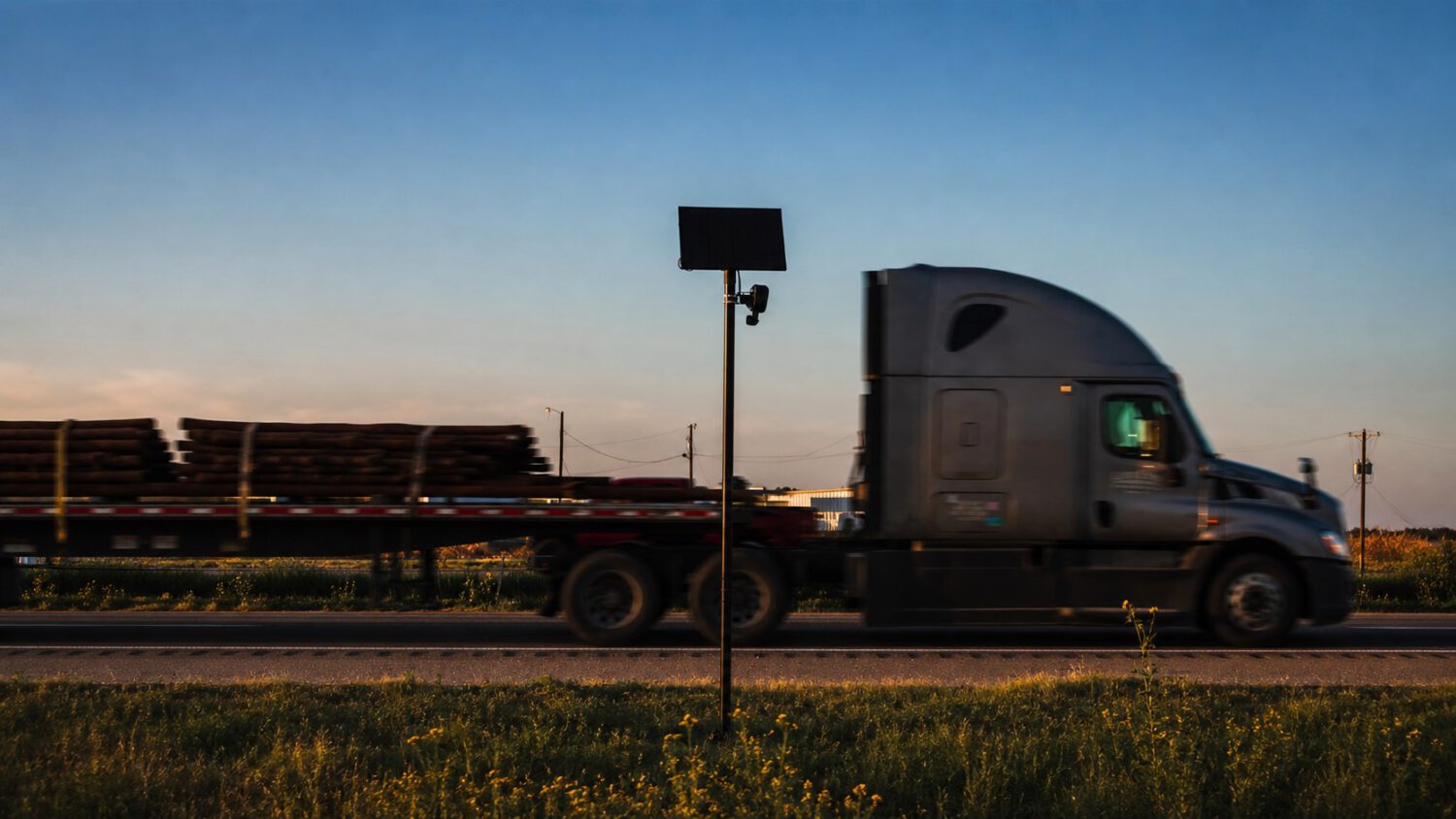
Hill drew a constitutional distinction between an officer watching a vehicle pass in real time and a system that stores data on every vehicle within camera range. That stored data is available for retrieval on demand.
The distinction is roughly the difference between a bouncer recognizing your face at the door and a system that logged every bar, pharmacy, and late-night drive you took for the past month.
Hill’s key language is direct. Location tracking becomes constitutionally problematic, she wrote, when law enforcement can “indiscriminately and passively catalog your whereabouts over an extended period of time and then use that information for any purpose whenever convenient.” The concern over secretly tracking users mirrors patterns seen in other government data-collection controversies.
Hill also noted that Flock’s system goes further than Carpenter v. United States. That landmark Supreme Court case addressed historical location data tied to one identified person. Flock’s network, Hill reasoned, collects data across the entire driving population from the start.
The ruling does not create binding precedent for other federal courts. It is, however, among the first reported instances of a federal judge finding a Flock search unconstitutional, according to 404 Media.
Pressure Building on Flock
A new bill, a shorter retention window, and an apology from the CEO.
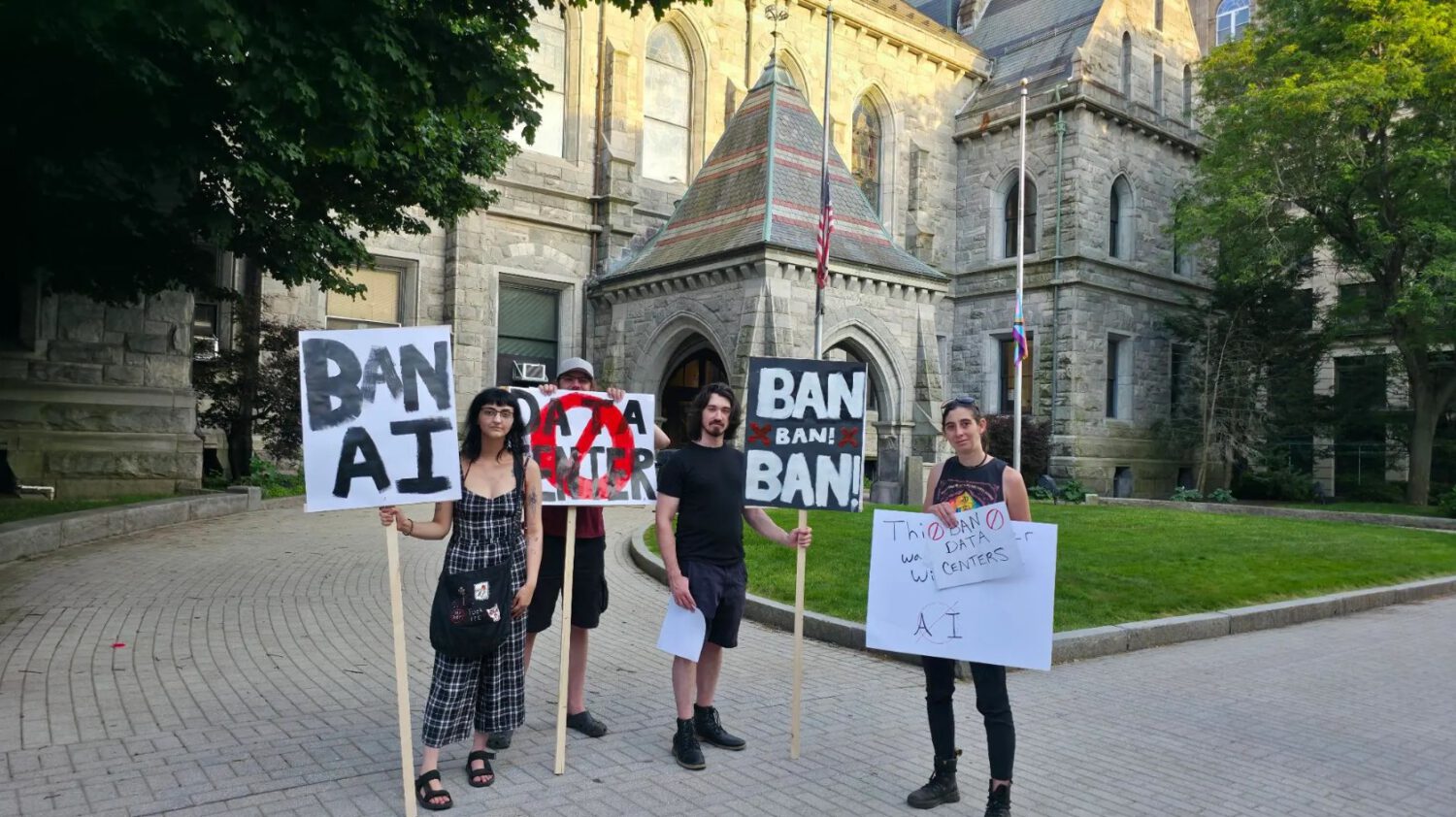
Sen. Bernie Sanders, along with Rep. Alexandria Ocasio-Cortez and Sen. Jeff Merkley, introduced the Ban Flock Act, which would bar federal agencies from using automated license-plate readers or accessing ALPR data collected by local police departments and private companies. The bill has not yet passed.
Flock CEO Garrett Langley has reduced the company’s default data-retention period from 30 days to 7 days, TechCrunch reported. Langley has also publicly apologized to women who were stalked by law-enforcement officers using the system, according to that reporting.
Depending on your city, your vehicle may already be in Flock’s database. Broader concerns about government use of surveillance app technology have drawn renewed scrutiny alongside this case. The ruling covers one case in one federal district in Oklahoma. But the constitutional language Judge Hill put on paper is now available to every future defendant facing a warrantless ALPR search. Defense attorneys now have a federal opinion to cite.