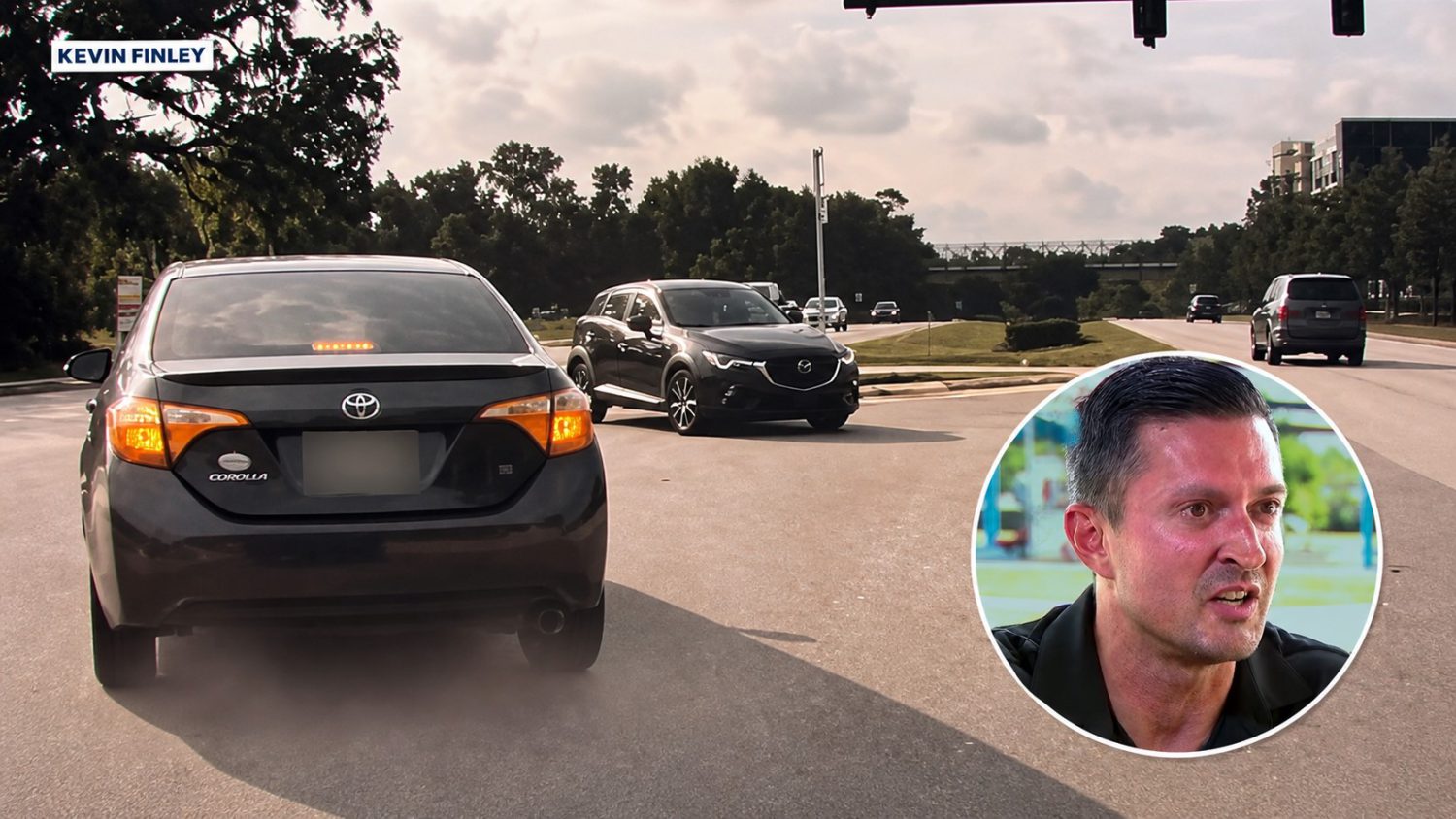
Arrested at gunpoint in his own driveway, Kevin Finley spent nearly two years facing charges of fleeing a traffic stop and reckless driving. His car had been recording the whole time. For more on how driverless Tesla vehicles behave in public, that context matters too.
Vehicle cameras are no longer just for insurance claims and parking lot disputes. They are showing up in criminal courtrooms, and the footage is changing outcomes.
What Happened in Winter Springs
A routine drive home became a nearly two-year legal ordeal after a single visibility question turned into a felony-grade arrest.
A Winter Springs, Florida officer believed Finley deliberately ignored emergency lights from an unmarked police vehicle and continued driving home, according to Yahoo News. That interpretation led to officers drawing weapons in Finley’s driveway.
Finley maintained he never saw the lights. The case sat for nearly two years before reaching a resolution.
In court, attorneys presented Tesla dashcam footage alongside police body-cam video. The Tesla footage showed the officer’s emergency lights were visible only briefly. Road curves and nearby buildings then blocked the view entirely, directly supporting Finley’s account that he had no reason to believe he was being pulled over.
A judge acquitted Finley before the case ever reached a jury. Finley is reportedly considering a civil lawsuit following the acquittal, according to Yahoo News.
How Tesla’s Cameras Became the Defense
The same hardware Tesla built for Autopilot perception turned out to be a precise, multi-angle record of what one driver could actually see.
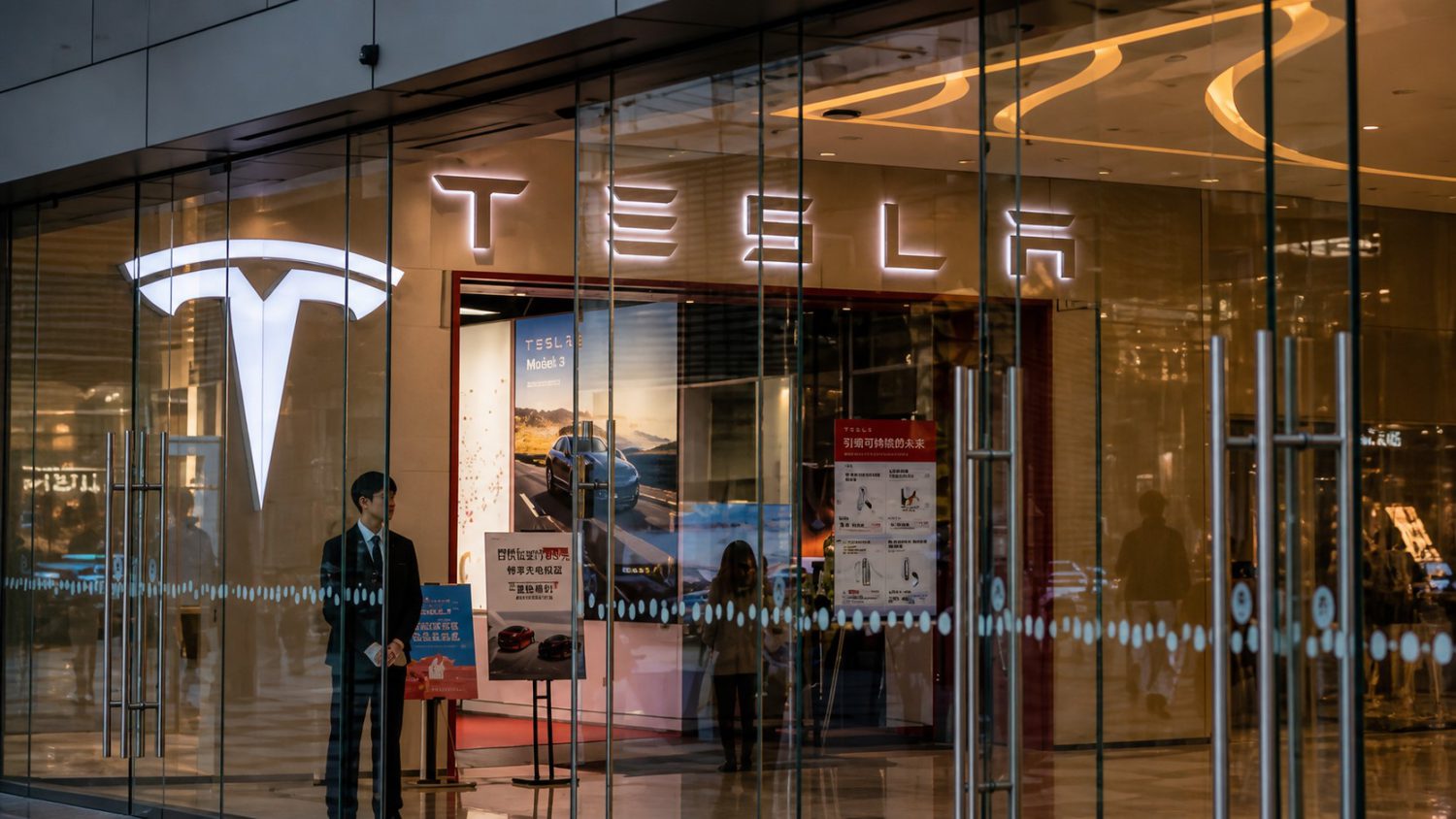
Tesla vehicles use an exterior camera array built primarily for Autopilot and driver-assist functions, according to Tesla’s support documentation. The dashcam feature runs on that same hardware, recording continuously to a user-supplied USB drive, with clips saved manually or triggered automatically by detected events. Understanding what a car really costs to own includes considering these built-in features.
The multi-angle coverage mattered here. A single forward-facing aftermarket dashcam captures one sightline, while Tesla’s system captures multiple angles simultaneously, giving the court a fuller picture of what Finley could and could not have seen from the driver’s seat.
Tesla CEO Elon Musk posted on X: “A Tesla saves its owner from prison!” That framing positions the outcome as a product win for Tesla, which is accurate in the narrow sense that the footage was decisive.
Tesla Data Cuts Both Ways
Tesla-generated video and data are now courtroom fixtures, and the results do not always favor the company.
Tesla-related video and data have become routine courtroom exhibits. In a separate Florida wrongful-death trial, a jury found Tesla 33% liable and awarded $243 million after an Autopilot-equipped Model S struck a parked vehicle, according to Business Insider. The broader rise of the surveillance app ecosystem has made vehicle-captured data a standard part of legal proceedings.
In that case, Tesla initially claimed key Autopilot snapshot data was missing. A hired hacker later extracted the data from the car’s computer, and it then emerged that Tesla had already received that same data on its servers at the time of the crash. A federal judge upheld the $243 million verdict in February 2026, according to Reuters.
The contrast with Finley’s case is direct. He controlled his own dashcam footage, retained it, and used it in his defense. In the Autopilot crash litigation, Tesla controlled the server-side data, and the situation became considerably more complicated.
Drivers who understand how to save and preserve dashcam footage gain a meaningful legal advantage. For any motorist, that knowledge is now basic self-protection.