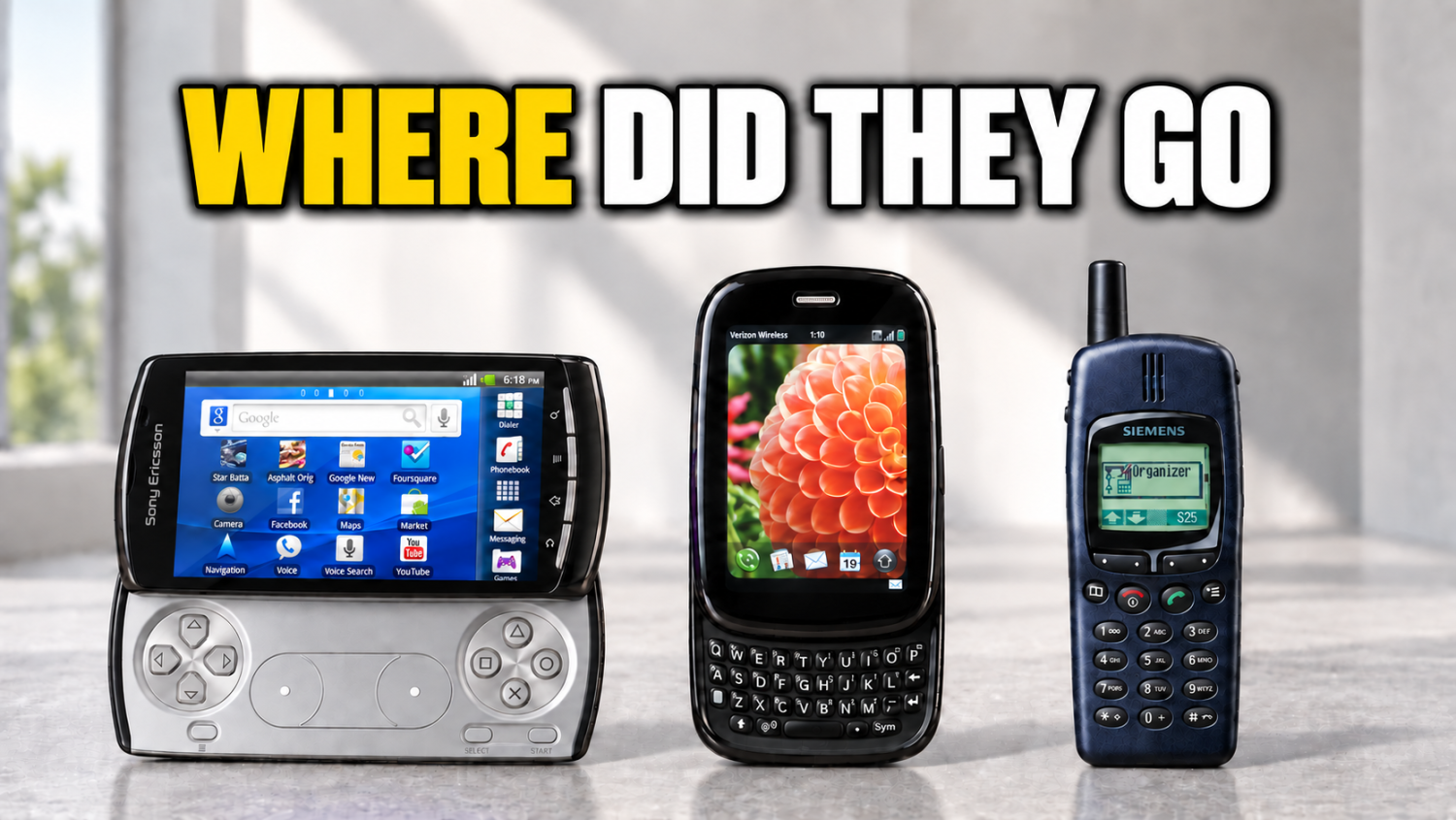
Since 2001, the tech landscape has shifted faster than fashion trends, leaving behind a trail of once-dominant brands. Market cycles move quickly, but the deeper lesson lies in adaptation. This list dissects how tech giants stumbled after groundbreaking innovations, offering a masterclass in why even the biggest players can become footnotes in today’s mercilessly dynamic market.
5. Sony Ericsson
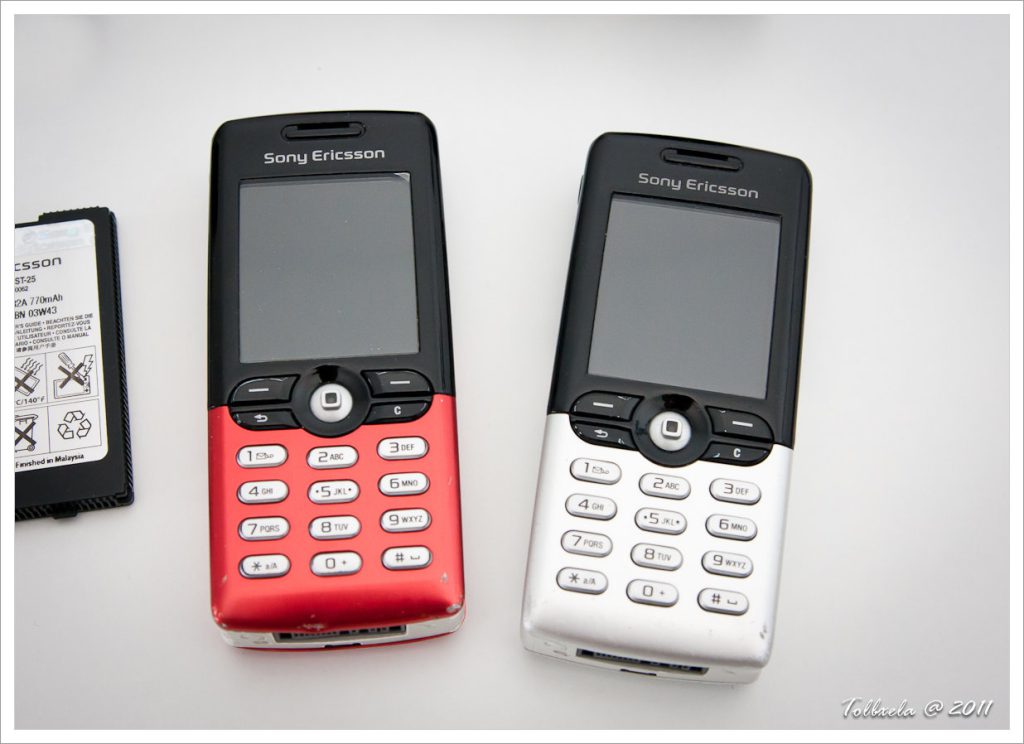
A joint venture that married hardware prowess with software stumbles
The Walkman series dominated music-centric phones, while the Cyber-shot line pushed camera quality forward. Sony Ericsson pioneered devices like the Xperia PLAY, the only Android phone officially PlayStation Certified, and packed an 8.1 MP Exmor R camera into the Xperia arc. This impressive hardware concealed a critical software defect.
Their glacial pace on Android updates became legendary. The Xperia X10 shipped with Android 1.6 in 2010, though version 2.1 was already available. This update lag frustrated users who watched competitors roll out fresh features while their devices languished. Internal friction mounted until Sony bought Ericsson’s 50% stake for €1.05 billion in 2012, proving that adaptation speed defines survival in tech.
4. Siemens Mobile
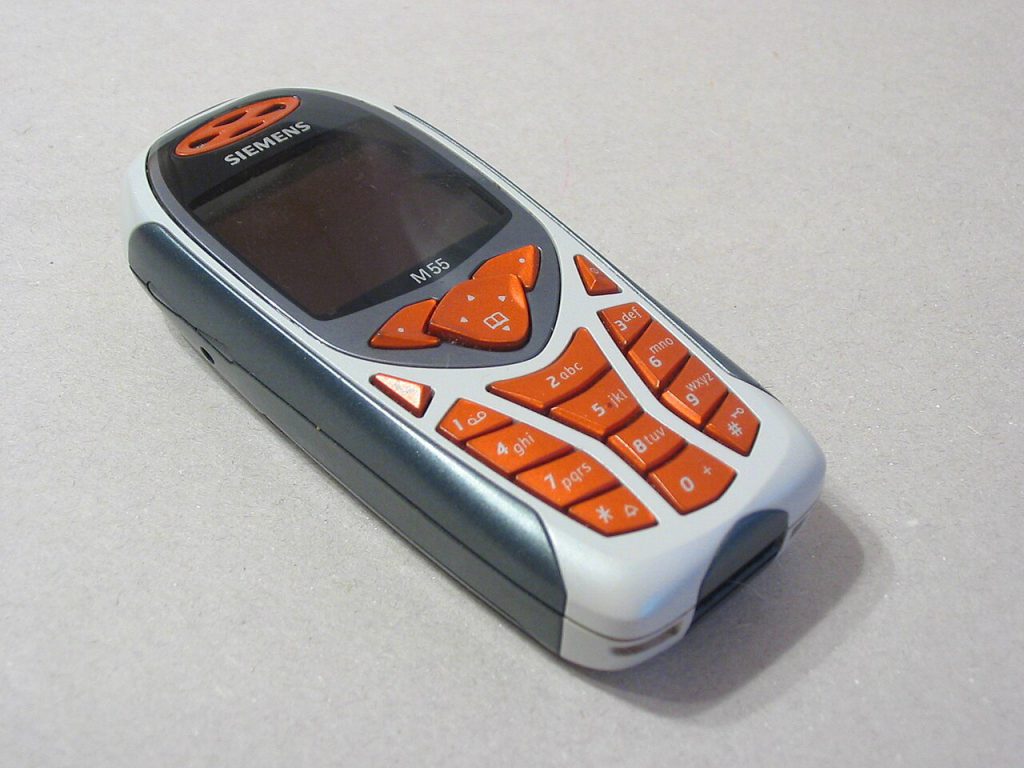
European reliability met its match in consumer whims
In 2002, Siemens Mobile commanded roughly 7% of the global mobile phone market, establishing itself as a dominant force in European telecommunications throughout the 1990s. The S25, launched around 1999, stood out as one of the first truly compact GSM phones. German engineering translated into pocket-sized reliability, valued for robust build quality over flashy design.
This commitment to industrial-grade durability became a corporate anchor. Siemens’s rigid machinery, designed for heavy industry, struggled to pivot for the fast-moving, design-driven consumer electronics game. The division became a financial liability. In 2005, Siemens transferred its loss-making unit to BenQ, effectively paying the Taiwanese company roughly €350 million to assume operations and allowing use of the Siemens brand. This move signaled the end of Siemens as a consumer mobile brand.
3. Palm, Inc.
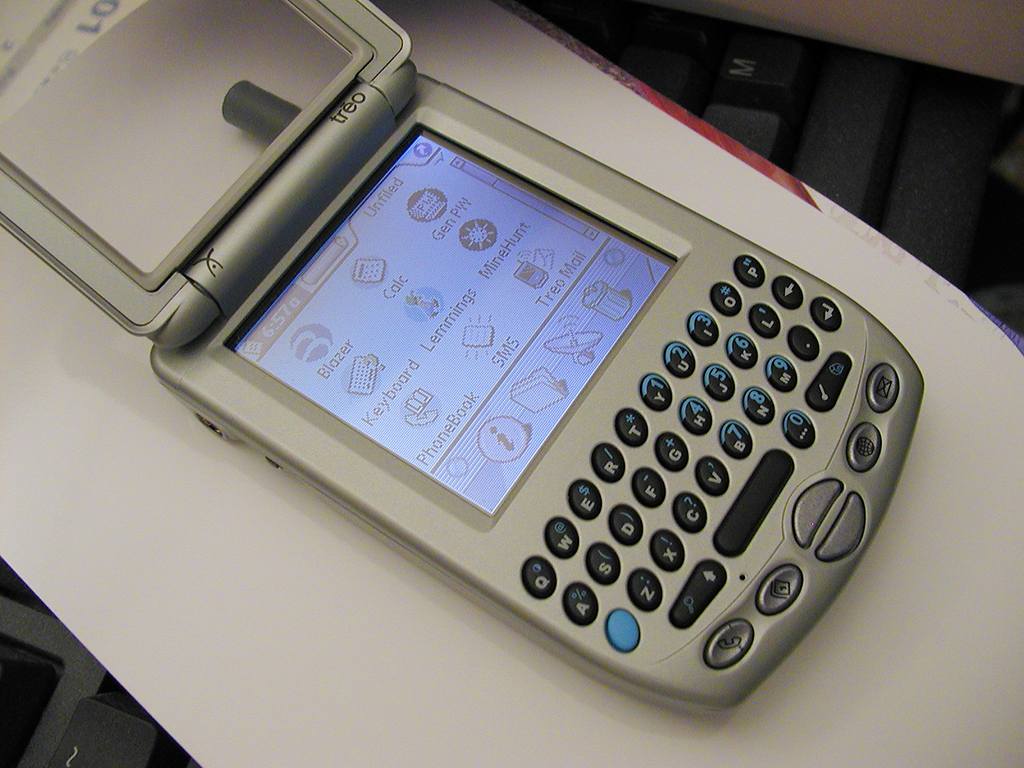
Visionary technology without the execution ecosystem
The PalmPilot sold over a million units within 18 months of its 1996 launch, establishing Palm as a computing pioneer. Its Treo series offered robust smartphone features years ahead of rivals. However, Palm OS limitations led to webOS, unveiled with the Palm Pre in 2009. Its card-based multitasking and gesture navigation earned critical praise.
Developers hesitated when the iPhone App Store boasted over 100,000 apps by late 2009 versus webOS’s few hundred. This app deficit proved fatal. HP acquired Palm for approximately $1.2 billion in 2010, hoping to leverage webOS across devices. The HP TouchPad tablet flopped in 2011, and HP quickly discontinued hardware. Visionary technology without developer support became a cautionary tale.
2. Toshiba
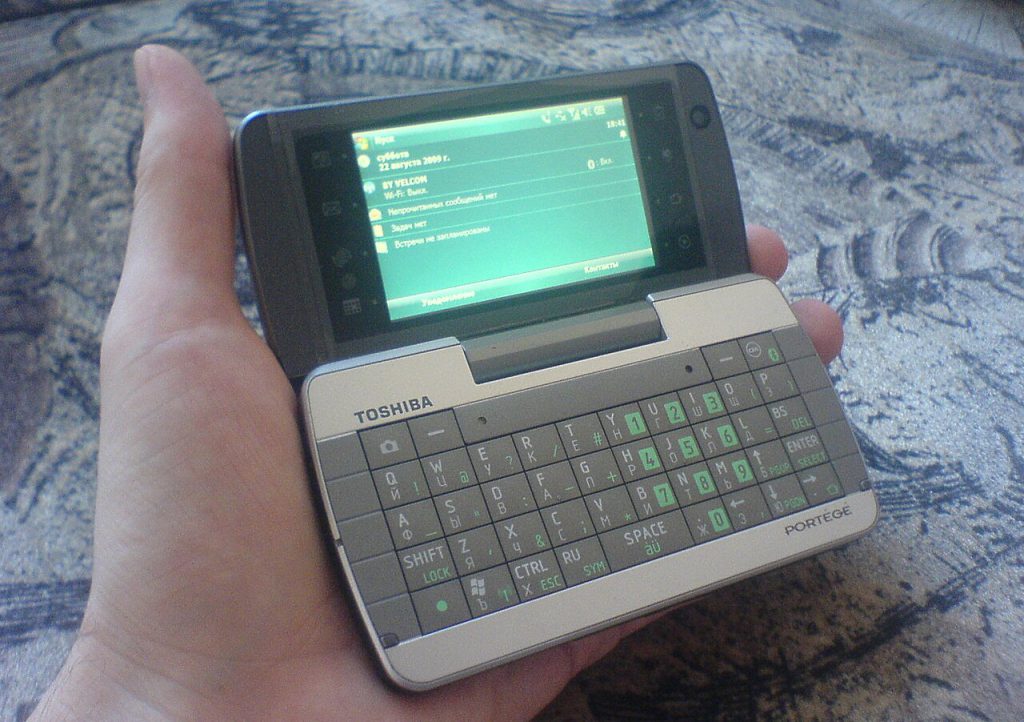
Hardware specs without software soul
Toshiba never translated laptop prowess to mobile phones. The 2009 TG01 handset showcased impressive hardware: a then-massive 4.1-inch screen and slim profile. Yet it ran Windows Mobile 6.1, already obsolete. The specs looked good on paper, but the user experience lacked a compelling narrative.
The REGZA Phone models from 2010–2011 leveraged Toshiba’s TV technology for mobile TV reception in Japan. Without a strong software story or unique hook beyond hardware, these devices felt more like tech demos than daily companions. Consumers gravitated toward sleeker, more intuitive options from rivals with clearer value propositions. Toshiba’s mobile offerings faded from the market with barely a ripple.
1. Panasonic Eluga
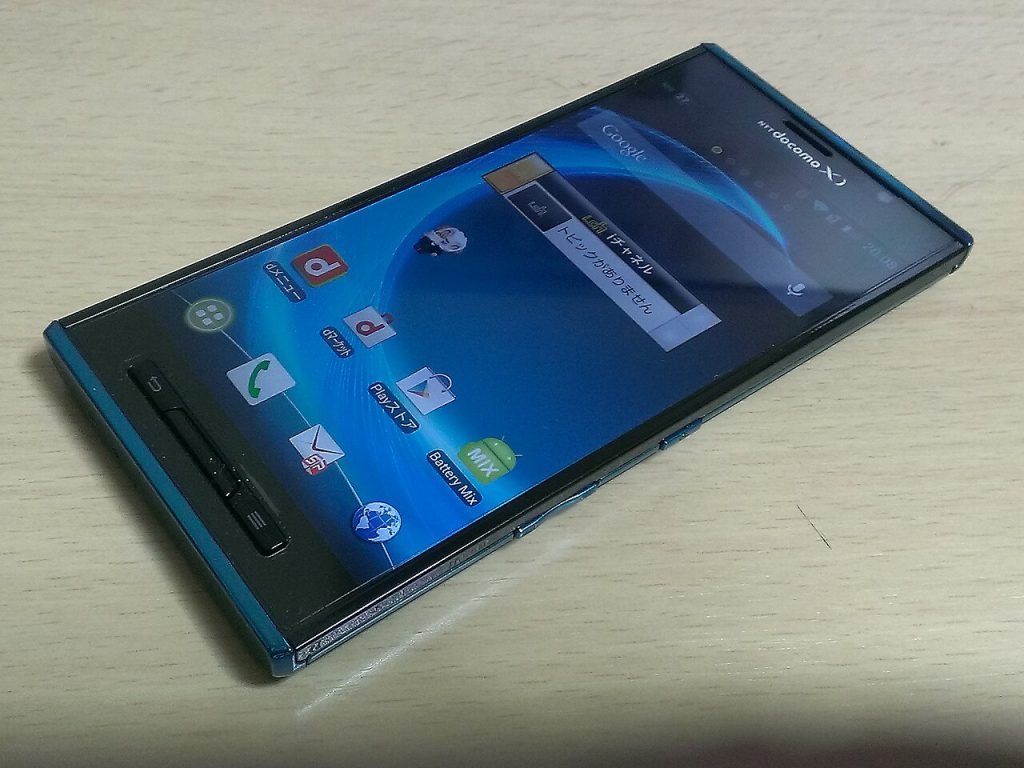
Ruggedness without modern polish
Panasonic built its reputation on devices tougher than old boots, famously with rugged Toughbook laptops. When it re-entered consumer smartphones around 2012 with the Eluga series, resilience was the key selling point. The phones emphasized IP57 water resistance, innovative at the time.
That feature quickly became common. A phone surviving a surprise dunk meant little if its camera felt dated or its processor lagged. Outdoor enthusiasts valuing durability found Eluga lacked modern display quality or processing power. Panasonic’s corporate strategy resembled building a fortress while neglecting everything inside. By around 2016, the company exited the global consumer smartphone market, proving resilience alone couldn’t secure mobile success.