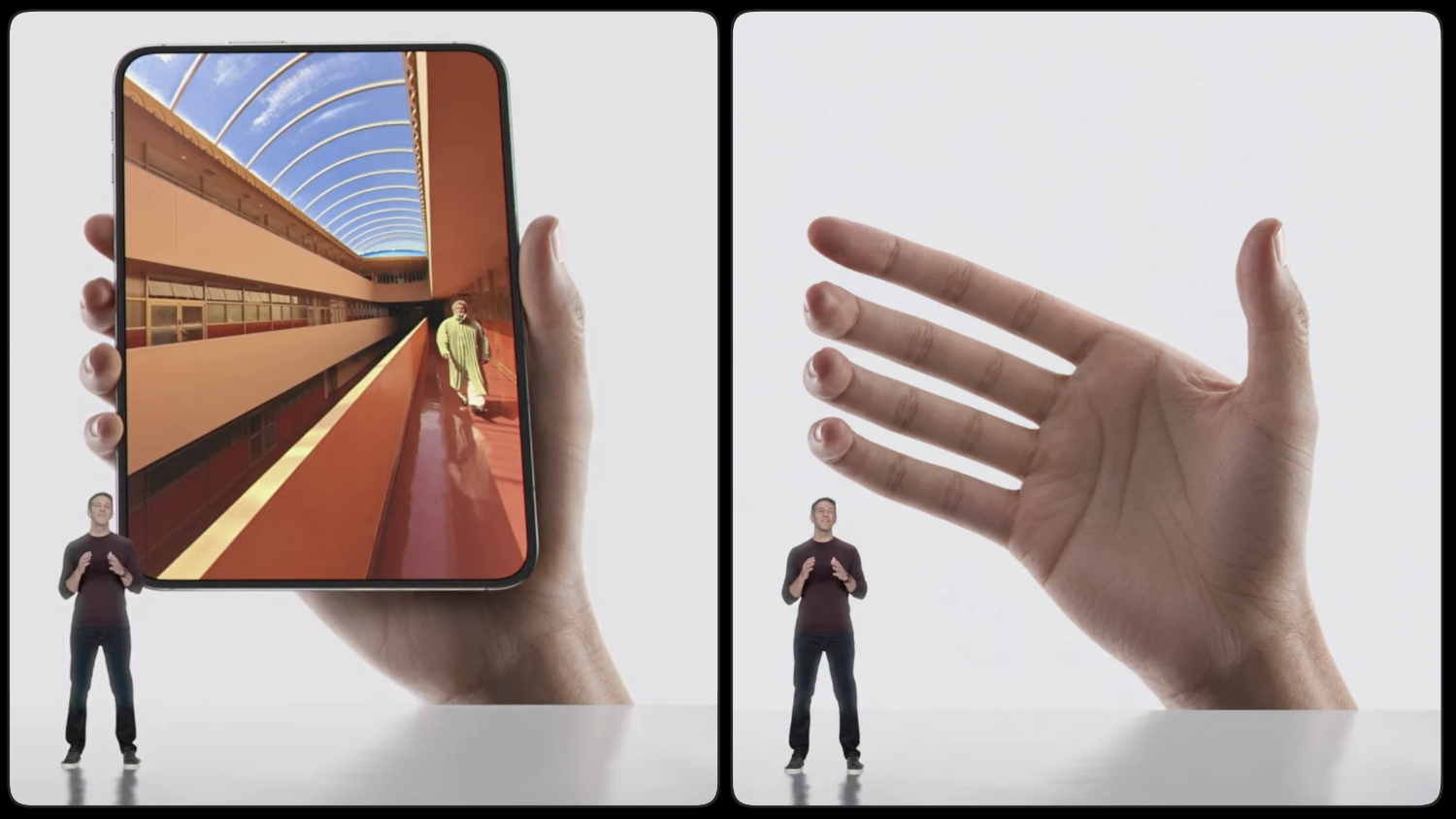
One edited image — phone removed, fingers exposed — was all it took to break tech Twitter last week. Someone pulled the iPhone Duo out of Apple’s official hero shot, and the remaining hand — fingers extended, palm relaxed — looked less like a human grip and more like concept art for a Guillermo del Toro creature. The memes wrote themselves. That single comparison, stripped of context and flooded with caption energy, landed squarely in the middle of a debate that cuts deeper than finger proportions: can you trust what Apple‘s marketing hands are telling you?
The Image That Started a Meme
One edited photo sparked a viral loop — but zero confirmed wrongdoing has followed it.
X user Christopher Fryant posted the side-by-side comparison. Account @AutismCapital amplified it. Polymarket flagged it as “JUST IN” breaking tech news. The accusation: Apple digitally elongated the fingers in its iPhone Duo promo to make the device’s massive 7.6-inch inner display look manageable one-handed. Apple markets the Duo as pocketable and comfortable to use, so the ergonomics in that hero shot aren’t decorative — they’re doing real sales work.
What is confirmed:
- The Duo carries a 7.6-inch inner display
- Fryant’s edited image spread rapidly through @AutismCapital and Polymarket’s feed
- Comparisons to Slender Man and “extra knuckles” flooded replies
- Apple has not responded to the allegations
“The big hero shots of the iPhone Duo in someone’s hand do look odd — suspiciously like Apple photoshopped some extra-long fingers to make holding the device look comfortable.” — Cult of Mac
Proof? Still Pending.
Weird-looking fingers and confirmed manipulation are two very different things.
While the image looks strange, no verified evidence of digital manipulation exists. NewsBytes, Gadgets Now, and Sportskeeda all explicitly describe the claims as unverified, grounded in social-media perception rather than any technical file analysis. One artist quoted by Cybernews offers a more grounded read: hands are inherently difficult to photograph and render naturally, and the phone in the shot may be a composited dummy placed over a real hand. Lens distortion and perspective choices in commercial photography routinely produce strange proportions without any intent to deceive.
If you followed Apple’s iPhone Air controversy in South Korea, the context here cuts both ways. Apple quietly removed a “pinching fingers” gesture from that campaign after the gesture became entangled in a gender-war backlash — per Korea Herald and PetaPixel reporting. Apple will adjust hand imagery; that’s documented. But editing for cultural sensitivity is a different act than stretching fingers to fake ergonomics. The South Korea precedent shows willingness to fine-tune hands in ads, not a pattern of misrepresenting how products feel to hold.
Ad-forensics is now a spectator sport. Audiences strip products from hero shots the way food bloggers strip filters from restaurant photos — hunting for the gap between the pitch and the reality. That skeptical instinct, crowd-sourced and immediate, is now a permanent feature of how audiences receive product launches. The real test isn’t finger length. It’s whether actual reviewers can hold a 7.6-inch foldable one-handed without it feeling like piloting a drone. That answer arrives when hardware hits real hands — and when it does, this particular meme will have nowhere left to go.