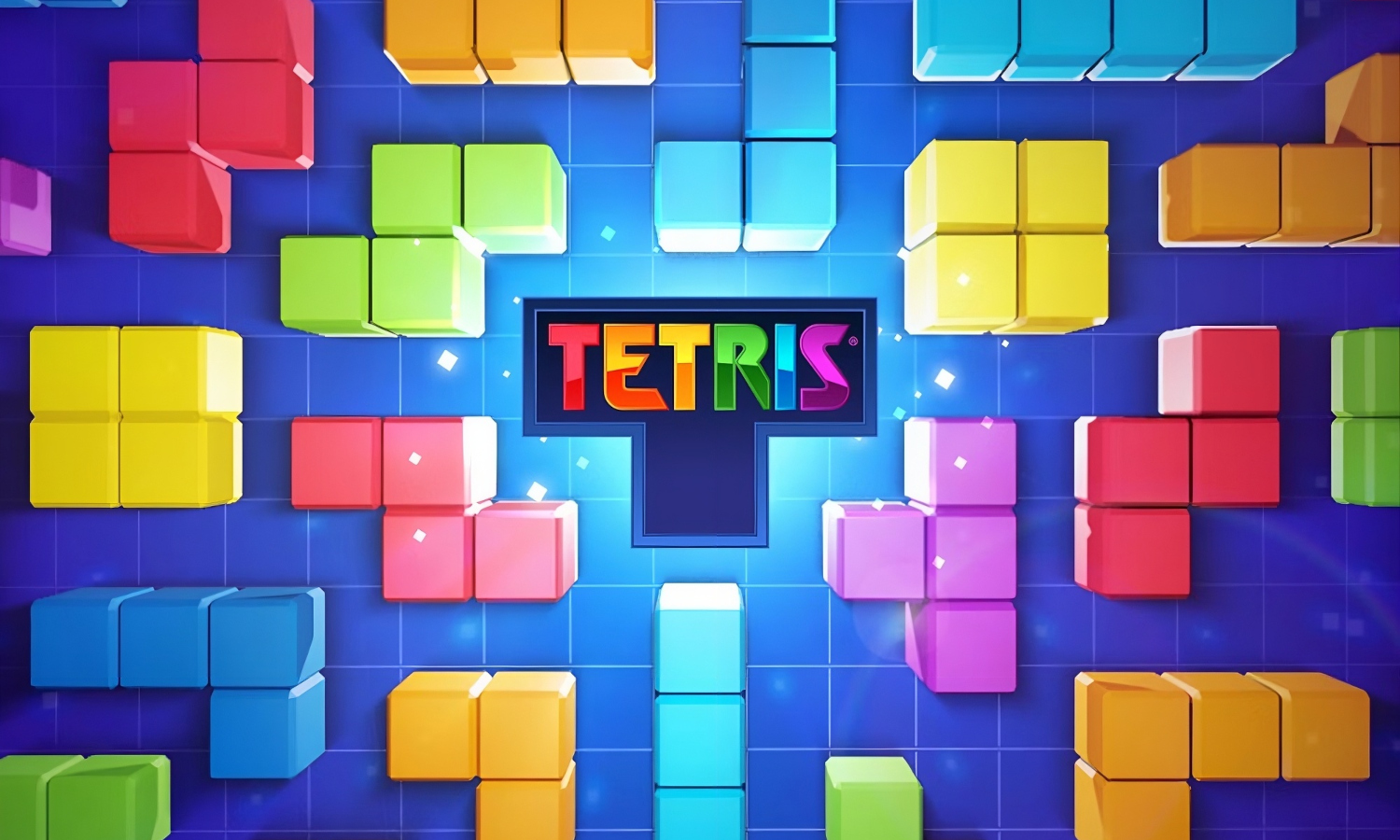
A .gov domain hosting a Tetris clone where stacking falling blocks keeps a zombie horde from breaching the southern border. That’s not satire. That’s Arcade.gov, which the Trump White House launched on September 3, 2026 — and within 48 hours, the Tetris Company had publicly disavowed it and signaled, in carefully chosen language, that legal action was on the table.
The five-game arcade also includes “Rio Run,” a Snake reskin where players patrol the Rio Grande; “Flappy Bill,” a Flappy Bird clone featuring a bald eagle carrying legislation through D.C.; plus games about sorting school lunches and collecting money for “Trump Accounts.” A White House official described the whole thing as a showcase of “a culture of fun and winning.” That quote does the work for you.
Here are the facts worth pinning down:
- Arcade.gov launched September 3, 2026; a sixth game was listed as “coming soon”
- All five games are themed around Trump administration policies
- None were licensed from original rights holders
- A Tetris spokesperson confirmed to Variety that the White House did not authorize or license the Tetris brand or intellectual property” — and that the company is “reviewing the matter”
The Tetris Company’s public statement arrived with the energy of a passive-aggressive postscript — because it literally was one. The company said it “believes in the power of connection and bringing people together, not dividing them,” confirmed it had no involvement in “Build the Wall,” then closed with two P.S. lines: one clarifying non-involvement, one stating plainly:
“We take copyright infringement very seriously.” — The Tetris Company
No formal lawsuit has been filed, and no cease-and-desist has been publicly confirmed. That’s a velvet glove with something hard inside it.
Why the Legal Case Is Messier Than It Looks
Copyright law protects creative expression — but game mechanics are a different story, and that distinction matters here.
U.S. copyright law doesn’t protect game mechanics — stacking falling blocks, tap-to-fly, guiding a line to collect items. It protects specific art, code, and branding. Arcade.gov reportedly uses original pixel art rather than copied Tetris assets, which makes the infringement case considerably harder than the company’s warning might imply. That’s likely why Microsoft, Sony, and Sega have stayed conspicuously silent about video games facing similar legal scrutiny — they’ve probably done the same legal math and concluded the terrain isn’t worth crossing.
Still, Tetris’s explicit mention of “copyright infringement” suggests the company believes its brand and IP — not just its mechanics — are being invoked in damaging ways, even if a court might take a more cautious view. Reputational harm doesn’t require a lawsuit to be real.
This isn’t an isolated incident, either. Japan’s Ministry of Foreign Affairs has formally warned Washington multiple times about using Pokémon, Mario, Naruto, and Dragon Ball in political and military content without permission — including a Department of Homeland Security video that paired Ash Ketchum imagery with ICE raid footage. Japanese Minister Kimi Onoda stated it plainly: “Even public institutions require permission from the creator when using intellectual property.”
The Tetris callout is the loudest moment in a longer, quieter collision — between a government that treats pop culture as a free resource and an entertainment industry that’s increasingly done pretending it doesn’t notice.