On August 23, 2026, a light drizzle fell over Alaska’s Kenai Peninsula. Nothing dramatic — the kind of rain you’d barely notice on your jacket. What you wouldn’t have seen from the ground: autonomous drones threading through supercooled clouds above, releasing silver iodide flares. According to El Segundo-based startup Rainmaker, that unremarkable drizzle contained roughly 19 million gallons of water that nature had no intention of delivering.
That number deserves both attention and a raised eyebrow. Western megadroughts are bleeding the Colorado River and Great Salt Lake dry, and Rainmaker — founded in 2023, backed by more than $50 million in investor capital — claims it has a scalable fix. The catch: 19 million gallons is an estimate. Unverified. Self-reported. Not one independent agency has signed off on it.
How the Tech Actually Works
The mechanics are genuinely novel — but the output is subtler than the headline suggests.
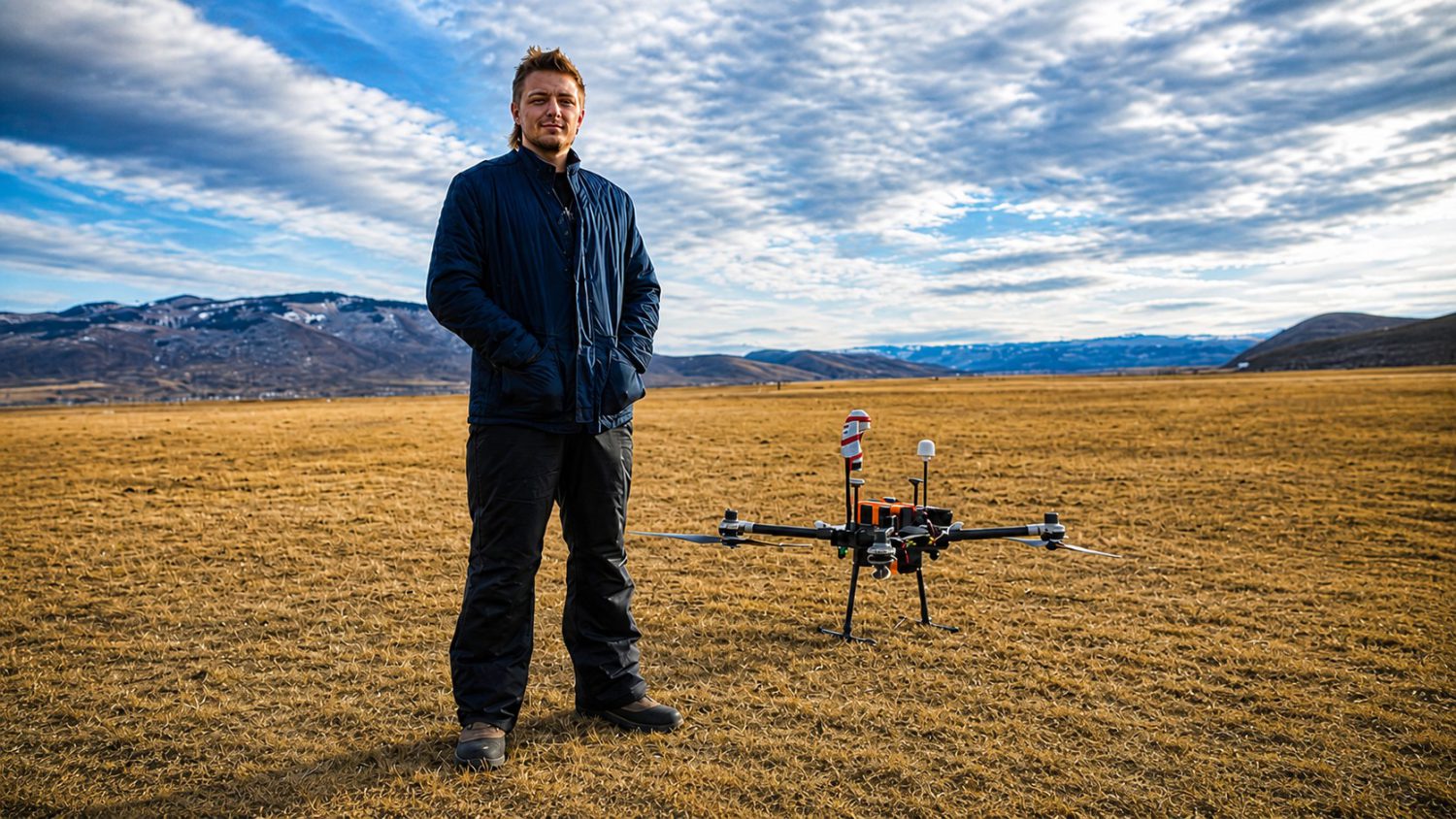
Rainmaker’s Elijah quadcopter drones flew 10 missions into clouds sitting between −5°C and −15°C — the sweet spot for glaciogenic seeding, where silver iodide triggers ice crystal formation. Those crystals grow and fall as rain or snow.
- 19 silver iodide flares released, totaling roughly 374 grams — less than one pound of seeding material
- Output calculated via a 27-model radar ensemble using public NEXRAD data and NCAR SNOWIE methodology
- Mean estimate: 57 acre-feet of additional precipitation across roughly 96 square miles
- On the ground, that translates to about 1 millimeter of extra rain — a drizzle, not a monsoon
“A big part of using water more smartly is cloud seeding,” Utah Department of Natural Resources director Joel Ferry told The Independent, calling the Western water situation “really, really dire.”
Big Claims, Bigger Questions
The verification gap between what Rainmaker measured and what it marketed is substantial.
Rainmaker identified radar signatures it believed its drones caused, drew boundaries around them, ran 27 formulas, and subtracted natural rainfall. Independent atmospheric scientists have noted the honest translation is closer to: “our best estimate is that we caused additional precipitation.” The marketing version strips all of that nuance away.
The Alaska operation was also unannounced. At least one state legislator has called for a cease-and-desist over private atmospheric experimentation without public oversight — a completely reasonable position. Meanwhile, Rainmaker tripled its federal lobbying spend to $450,000 in 2025 and placed another $100,000 in Washington Metro ads. The company is selling this technology to lawmakers as aggressively as to water agencies.
Drone-based cloud seeding could become a legitimate drought-response tool. The underlying science has 70 years behind it. But the most important next flight isn’t over Alaska — it’s through peer review. No investor pitch deck fills that gap.