Every time you scroll Instagram or fire off an AI query, that request lands somewhere physical. Somewhere with pipes, cooling systems, and — as Cheyenne, Wyoming just discovered — bacteria no one had heard of before this year.
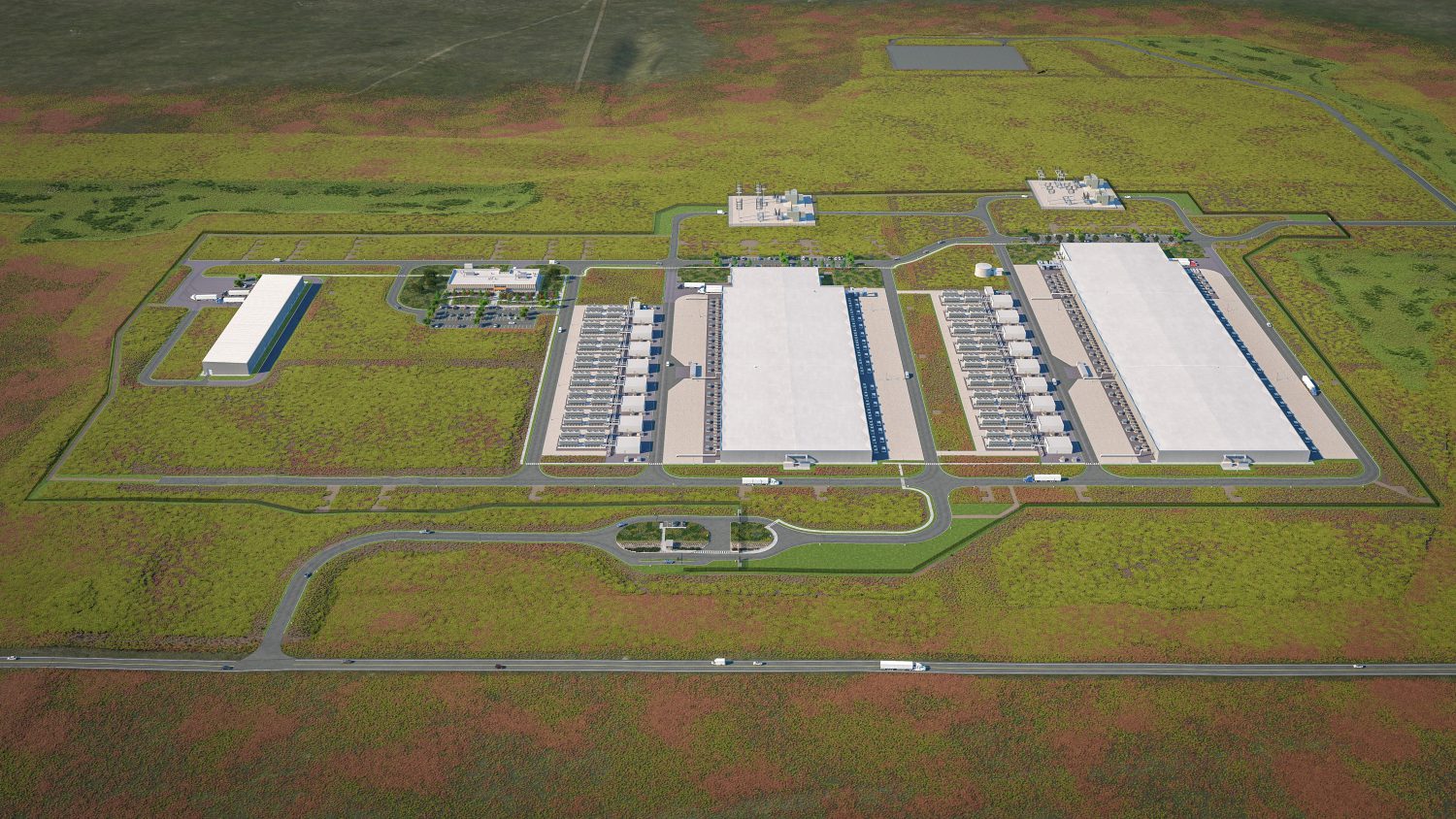
In early 2026, routine sampling of Cheyenne’s reclaimed water system turned up Cupriavidus gilardii, a rare soil-and-groundwater bacterium that’s metal-resistant and potentially dangerous for immunocompromised people. The source: subcontractors building Meta’s $800 million “Project Cosmo” AI campus had routed “fill-and-flush” cooling system wastewater into the city’s sanitary sewer. More than 800,000 gallons passed through before Cheyenne’s Board of Public Utilities caught it.
Drinking water was not affected — the contamination stayed in the non-potable reclaimed system used for irrigation. That distinction matters. So does what happened next.
Cheyenne’s BOPU cited the operation for “serious noncompliance,” permanently revoked discharge privileges, and banned closed-loop cooling wastewater from the municipal system indefinitely. The fine: $10,000. On an $800 million project. Fortis Construction, the contractor on site, said it stopped discharging immediately and its own independent tests found no trace of the bacterium. That’s their account. The city’s account involves white bacterial colonies in petri dishes.
The Senator’s Land and Microsoft’s Next Campus
Microsoft acquired roughly 3,500 acres from entities tied to Senator Lummis’s family shortly before the contamination story went public — then the city council voted to annex it.
The sequence of events unfolded as follows:
- June 26, 2026 — Microsoft completed the purchase of approximately 3,200–3,500 acres south of Cheyenne from entities linked to Senator Cynthia Lummis’s family, including Old Horse Pasture Inc.
- Early July — The contamination story broke publicly.
- July 13–14 — After five-plus hours of public debate, the Cheyenne City Council voted to annex roughly 3,460 of those acres for Microsoft’s planned multi-decade data center campus.
The sequence isn’t subtle.
Microsoft stated that the Lummis family’s connection to the land “played no role” in site selection, according to Heatmap News reporting. That may well be true — Lummis is also among the Senate’s most vocal Big Tech advocates. Heatmap News has flagged this as potentially the first major data center deal directly involving a sitting member of Congress’s family, a characterization that carries weight regardless of intent.
Residents aren’t waiting. A referendum petition is circulating to challenge the annexation, and organizers believe they have enough signatures to put the issue on the November ballot. Their argument isn’t abstract: the Milky Way is visible from their backyards right now. Observers already see Cheyenne as an early test case for how communities push back when the cloud comes to town — and it won’t be the last.