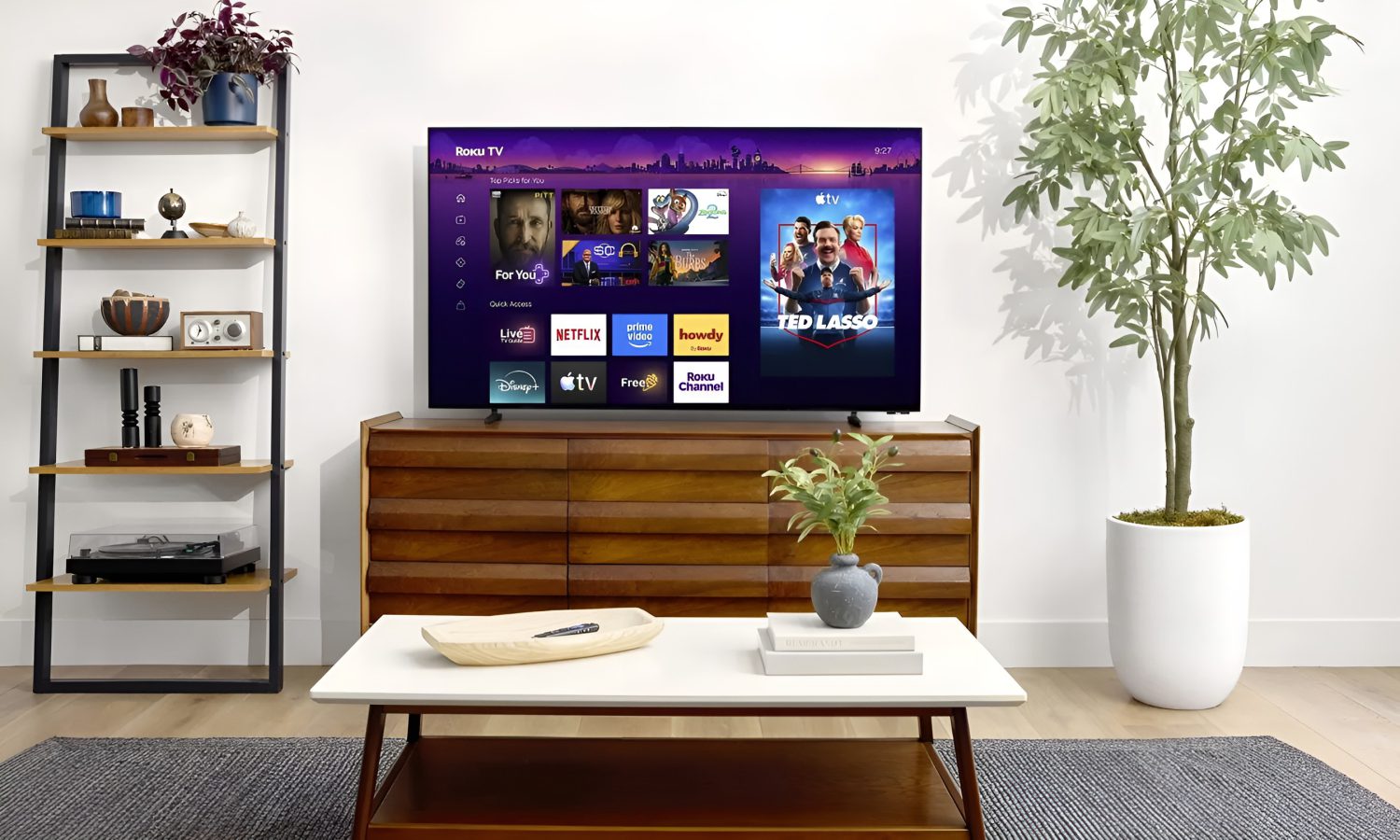
Anyone who has powered on a premium OLED display technology only to spend the first 20 minutes dismissing ad banners and navigating menus nobody asked for knows exactly the frustration Roku is targeting. The company just launched its first OLED TVs — the Pro Series OLED at $999 and the Pro Series LX OLED at $1,299 — with a straightforward pitch: OLED picture quality, none of the bloat. That pricing claim, though, carries one honest asterisk worth understanding before your wallet gets involved.
What You’re Actually Getting
The specs hold up where it counts for both movie nights and late-night gaming sessions.
Four HDMI 2.1 ports. That detail alone matters more than most of the spec sheet — your PS5, Xbox Series X, PC, and streaming box all stay plugged in simultaneously, no cable shuffling required. The Pro Series OLED pairs that connectivity with:
- 4K at 120Hz
- Dolby Vision, HDR10+, HLG
- FreeSync Premium, VRR, and Auto Low Latency Mode
Roku OS runs the show on top, which means no Tizen rabbit holes and no sponsored content cluttering your home screen.
The step-up Pro Series LX OLED ($1,299, shipping October 2026) adds:
- A brighter panel
- Wider color range
- 144Hz VRR
- An advanced anti-reflective filter
- Wi-Fi 6
That 144Hz support is still genuinely rare on televisions — the kind of refresh rate PC gamers have enjoyed on monitors for years, finally arriving in the living room. The exact panel type remains unconfirmed; Roku hasn’t disclosed whether it uses a standard WRGB OLED or a brightness-optimized variant.
The Fine Print on “Cheaper”
The MSRP advantage is real — but seasonal discounts from LG and Samsung complicate the story.
At list price, the math is straightforward:
| Model | Price (55-inch) |
|---|---|
| Roku Pro Series OLED | $999 |
| LG B6E | $1,299 |
| Samsung S85 | $1,499 |
That gap is genuine. The asterisk: LG’s B6E 55-inch has sold for as low as $799 during sales events, according to Tom’s Guide pricing coverage from August 2026. Samsung discounts aggressively as well. The “cheaper than LG and Samsung” headline is accurate at MSRP — it gets murkier the moment either brand runs a seasonal promotion.
Two tradeoffs deserve honest mention. Roku removed the Soundstage audio port found on previous Pro TVs; achieving the slim metal-bezel design required it, per Roku’s VP of retail strategy as reported by Digital Trends. A soundbar becomes less optional. The lineup also tops out at 65 inches — no 77-inch option exists yet, which effectively rules these sets out for anyone building a dedicated large-format home theater.
TechRadar called it “exciting to see someone finally give Samsung and LG a run for their money in budget OLED” — while flagging that size limitation in the same breath.
The Verdict Isn’t In Yet
Independent benchmarks are still pending, but the value case is already difficult to dismiss.
If an OLED upgrade has felt financially unjustifiable, these sets are worth watching closely. Independent brightness measurements, color accuracy scores, and input lag figures haven’t been published yet — the full picture quality verdict remains pending. At $999 for a gaming-spec OLED with software that doesn’t treat you like an ad impression, the pressure on LG and Samsung just got uncomfortably real.