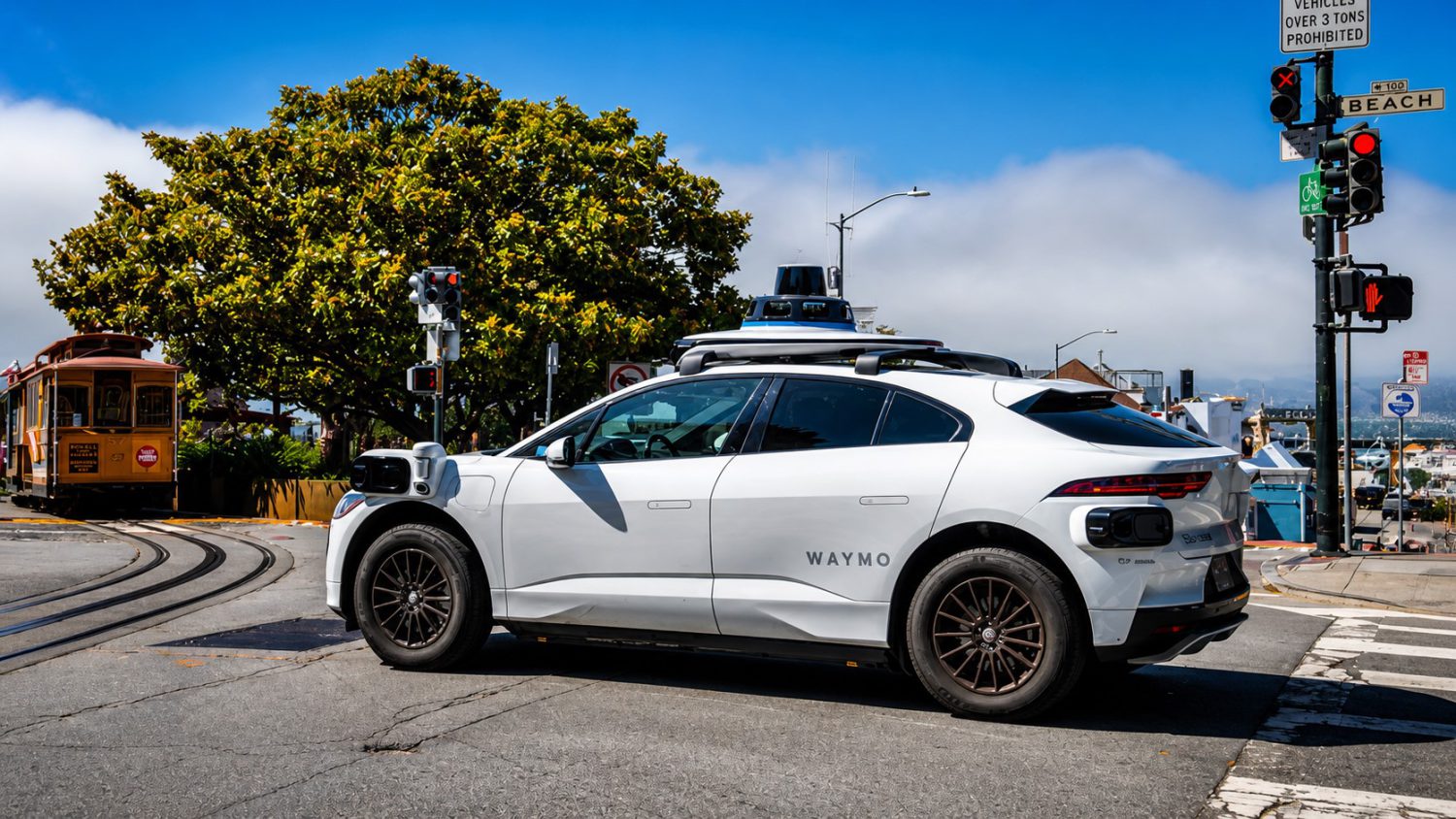
Your phone goes quiet. Not dead-battery quiet — algorithmically quiet. Fewer pings. Worse pings. That’s the reality reportedly facing Atlanta’s Uber and Lyft drivers since Waymo’s robotaxis arrived in June 2025. These aren’t separate vehicles on a separate app. They’re fully driverless electric Jaguars hailed through the same Uber interface you already use, competing for the same rides, around the clock, without bathroom breaks.
What Drivers Are Actually Saying
The complaints are loud. Systematic data is still missing.
One driver told CBS News Atlanta his earnings are down “probably like 10 to 30%”, depending on the day. The Atlanta Rideshare Drivers Union (ARDU) paints a similar picture — lower pay, longer waits, fewer fares — since Waymo reportedly logged 5.4 million autonomous miles across the city. Here’s the catch: ARDU representative Liza Ramsey has acknowledged the union holds no consolidated data. Their evidence is member complaints and earnings screenshots shared in a group chat.
That doesn’t mean the grievance isn’t real. It means nobody has proved it systematically yet.
ARDU is asking Atlanta City Council for three things:
- A $0.50–$1.00 per-ride robotaxi impact fee funding a driver transition fund for job training and grants
- A ban on Waymo pickups at Hartsfield-Jackson Airport, a high-value fare anchor for many drivers
- Caps on robotaxi deployment with stronger data reporting requirements
Ramsey’s argument is direct: “If corporations profit from replacing human workers with automation, they should contribute to helping those workers transition to the next opportunity,” according to Axios.
The Catch – Atlanta Can’t Actually Stop This
Georgia’s 2017 AV law has already decided much of the fight.
Georgia’s Senate Bill 219 pre-empts local regulation of fully autonomous vehicles. Atlanta cannot cap fleet size, require local operating licenses, or impose per-vehicle fees. Many of ARDU’s preferred remedies are, as reporting describes them, “close to impossible” under current state law. The union is lobbying a city council with its hands effectively tied.
Waymo’s counter includes a proposed $20 million support fund for displaced drivers and a safety record the Atlanta Journal-Constitution noted showed no at-fault crashes in local data through mid-2025. The company frames robotaxis as ecosystem builders — maintenance jobs, fleet operations, support roles. Whether those opportunities reach drivers currently watching their earnings shrink is the question Waymo hasn’t answered.
Atlanta isn’t an outlier. Protests against robotaxis are running in San Francisco, Los Angeles, Seattle, and New York, where drivers have collected thousands of petition signatures for a statewide ban. California Teamsters have sued over autonomous truck regulations. The automation bill is arriving everywhere — and nobody agreed on who pays it.