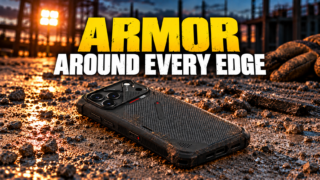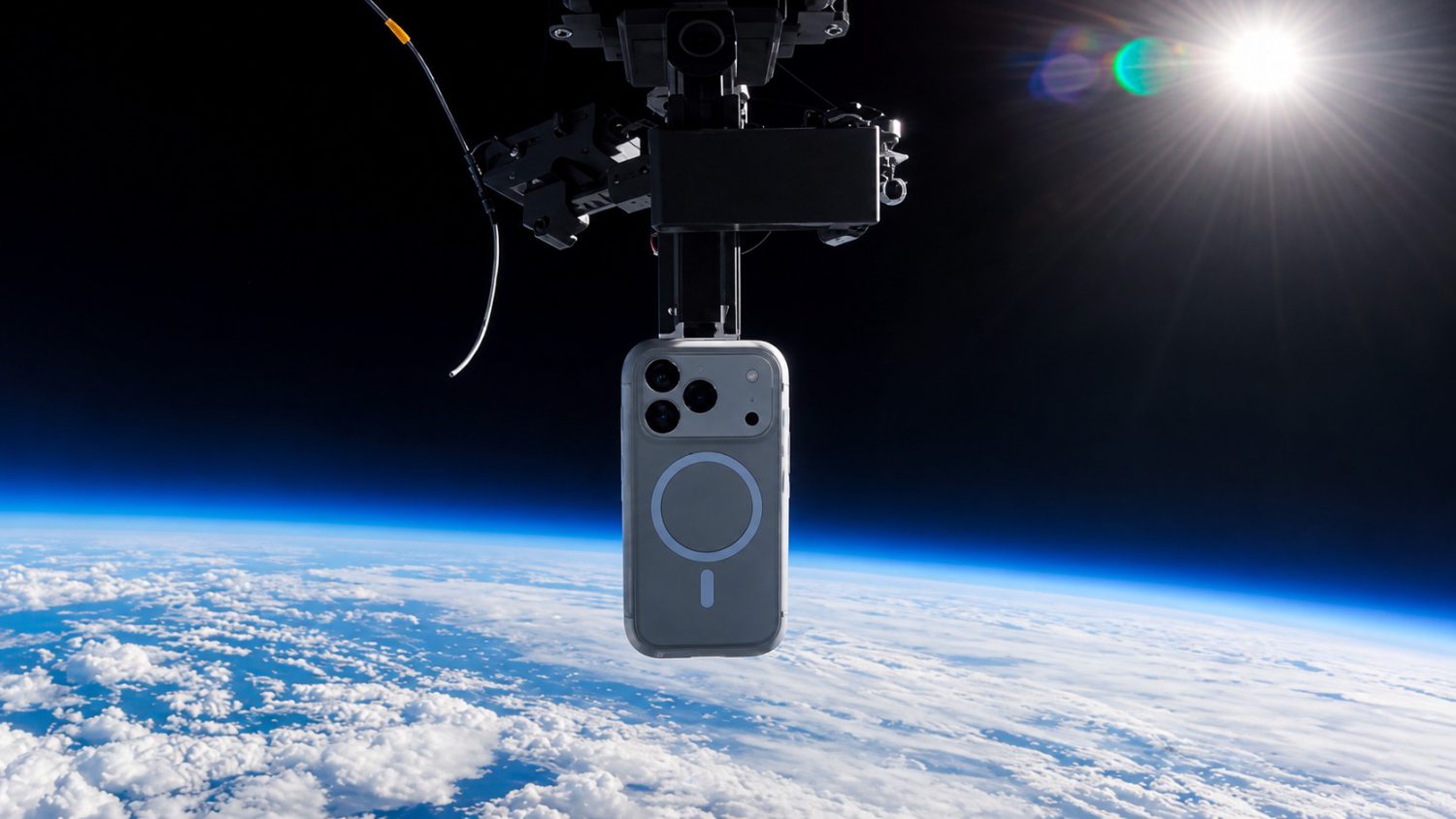
On 24 June 2026, an iPhone 17 Pro in a commercially available RhinoShield AirX case was released from a high-altitude balloon at 30,607 metres — roughly three times the height of Everest — above Kiruna, Sweden. No parachute. No heating gear. No safety net of any kind. The phone fell for approximately 25 minutes through air temperatures between –40°C and –60°C, then hit soft natural terrain in the Swedish wilderness. Five hours of smartphone charging tips -guided searching later, the recovery team found it powered on, making calls, and taking photos. Guinness World Records confirmed the title: “Highest Drop of a Mobile Phone in a Phone Case (Natural Landforms).”
The Physics Reality Check the Press Release Left Out
Terminal velocity and soft terrain explain as much about this survival story as the case itself.
Here’s what the headline doesn’t tell you. A smartphone’s low mass and relatively high aerodynamic drag work together. They push the phone to terminal velocity — its maximum falling speed — surprisingly fast during descent. Past that point, dropping from 30 kilometres doesn’t generate meaningfully more impact energy than dropping from a commercial flight altitude — a concept familiar to anyone following a Moon Mission. The stunt is genuinely spectacular. The physics make it survivable.
Landing on soft, uneven Swedish terrain — not a parking garage floor — further absorbed peak g-forces by lengthening the stopping time on impact. That context doesn’t diminish what RhinoShield built. It explains why it worked.
The AirX uses a mono-material thermoplastic elastomer (TPE) construction — 100% recyclable — with a 360° air-cushion chamber and three-point compression structure RhinoShield calls ShockSpread™. Internal testing claims impact forces were reduced from roughly 4,000g on an unprotected phone to approximately 775g with the AirX. The case reportedly survived over 24,000 tumble impacts without cracking. Those are manufacturer-supplied figures, not independent lab results — worth keeping in mind when weighing the marketing language against the engineering reality.
What This Means for Your Actual Drop Test
Everyday repeated impacts are what destroy phones, and that’s precisely what AirX is engineered to survive.
Forget the balloon. The AirX shares an 11.5-ft lab drop rating with other RhinoShield lines, but claims 30x greater durability under repeated impacts — the kind that actually destroys phones over time. Independent testers ran 61 real-world drops; no new exterior damage, cameras fully functional throughout. RhinoShield explicitly tells consumers not to replicate the stratospheric stunt, which is arguably the most honest thing in their entire marketing campaign.
At $62.99, the AirX earns its premium not because it’ll survive a balloon launch. It earns it because it’ll survive the drops you’ll actually take:
- the parking lot stumble
- the fumbled coffee-shop grab
- the slow-motion slide off a restaurant table
The Guinness record is real, the physics are real, and the soft Swedish terrain helped enormously. But the case that keeps your screen intact on a Tuesday morning? That’s the one worth buying.