On a typical Tuesday morning, a police agency using Flock Safety’s software could have pinged your Ring Neighbors app with a case-specific request — location, timestamp, investigation code included. You decide to share your doorbell footage. Flock packages it and routes it directly into FlockOS, a platform used by local police departments and, according to investigative reporting, federal agencies including ICE. That was the actual plan. It just never went live. Much like the surveillance app built to covertly monitor Alberta separatists, this integration was designed to operate beneath public awareness.
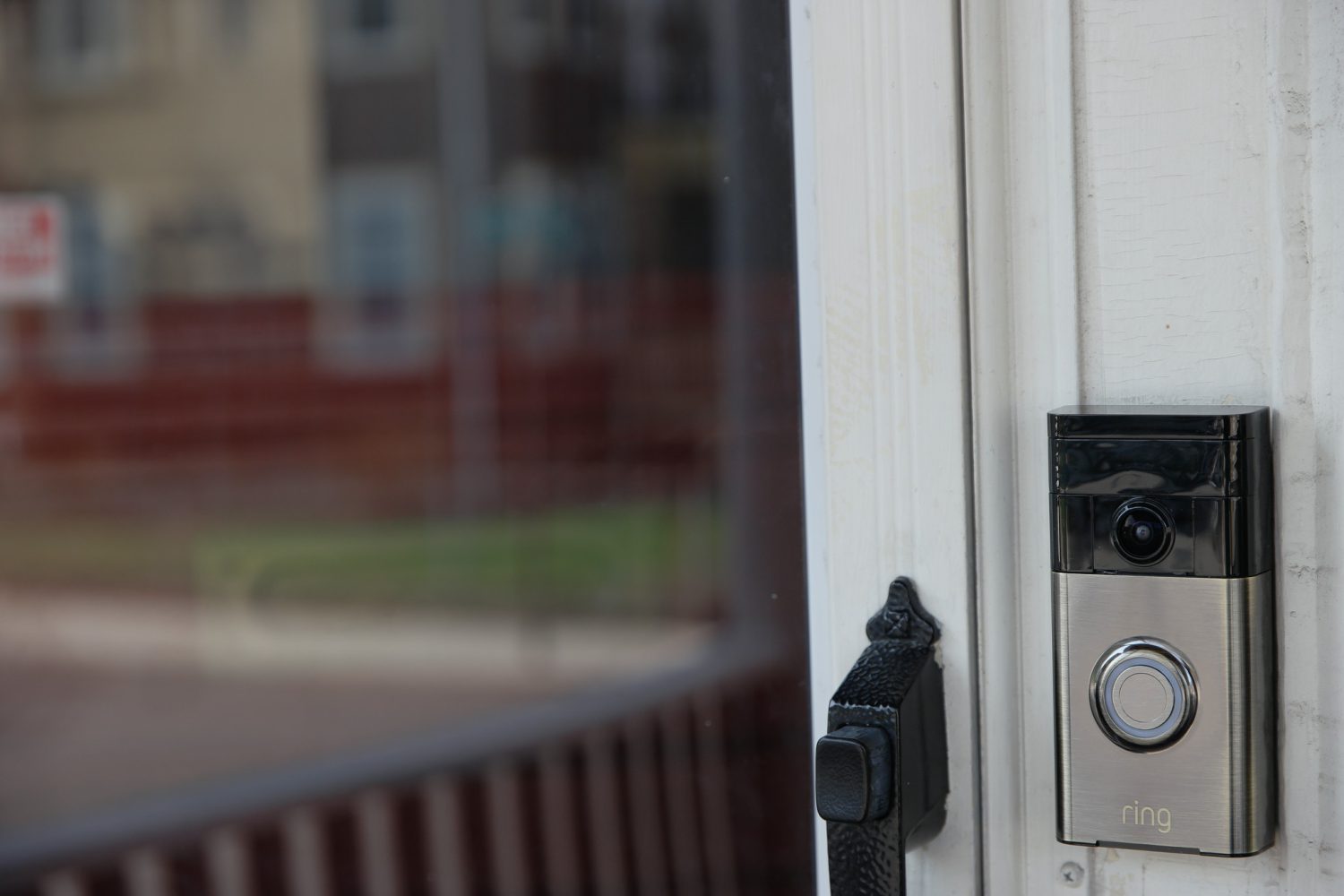
On October 16, 2025, Ring and Flock Safety announced a formal integration partnership. CNBC reported Ring was “moving deeper into law enforcement.” The architecture behind that headline deserves a closer look.
What the Integration Would Have Done
The planned workflow was designed to turn voluntary doorbell sharing into a structured evidence pipeline running straight into police software.
Here’s how it was built to work:
- Agencies using FlockOS or Flock Nova could send targeted Community Requests directly inside the Ring Neighbors app, specifying time, location, and investigation type
- Ring users in the relevant area could choose to upload footage — with both companies emphasizing that participation would be “voluntary”
- Flock would securely package submitted clips and route them to the requesting agency through its investigative platform
- The workflow would combine Flock’s road-facing ALPR data with residential doorbell video in a single investigative pipeline — what Biometric Update described as a “direct bridge” between the largest U.S. consumer doorbell network and one of law enforcement’s fastest-growing data platforms
That last point is worth sitting with. This was never just about doorbells.
The Cancellation Doesn’t Close the Conversation
Killing this specific integration doesn’t dismantle the broader infrastructure already in place — or the appetite to build more of it.
On February 12, 2026, Ring published a blog post canceling the integration after “a comprehensive review,” citing time and resource constraints. Both companies confirmed that “the integration never launched, so no Ring customer videos were ever sent to Flock Safety.” Per CNBC, the timing coincided with Super Bowl ad backlash.
Clean hands, technically. But “voluntary” is doing a lot of heavy lifting here. Building the technical architecture to connect home cameras with police investigative software normalizes the model — regardless of opt-in design. Privacy advocates warn that combining ALPR road data with residential footage inside a single workflow reshapes what surveillance infrastructure looks like, even when individual participation remains a choice — a dynamic reminiscent of apps caught secretly tracking users without meaningful consent.
Ring still permits Community Requests through other third-party partners. Flock keeps growing, servicing thousands of agencies. The pipe got capped. The plumbing remains.