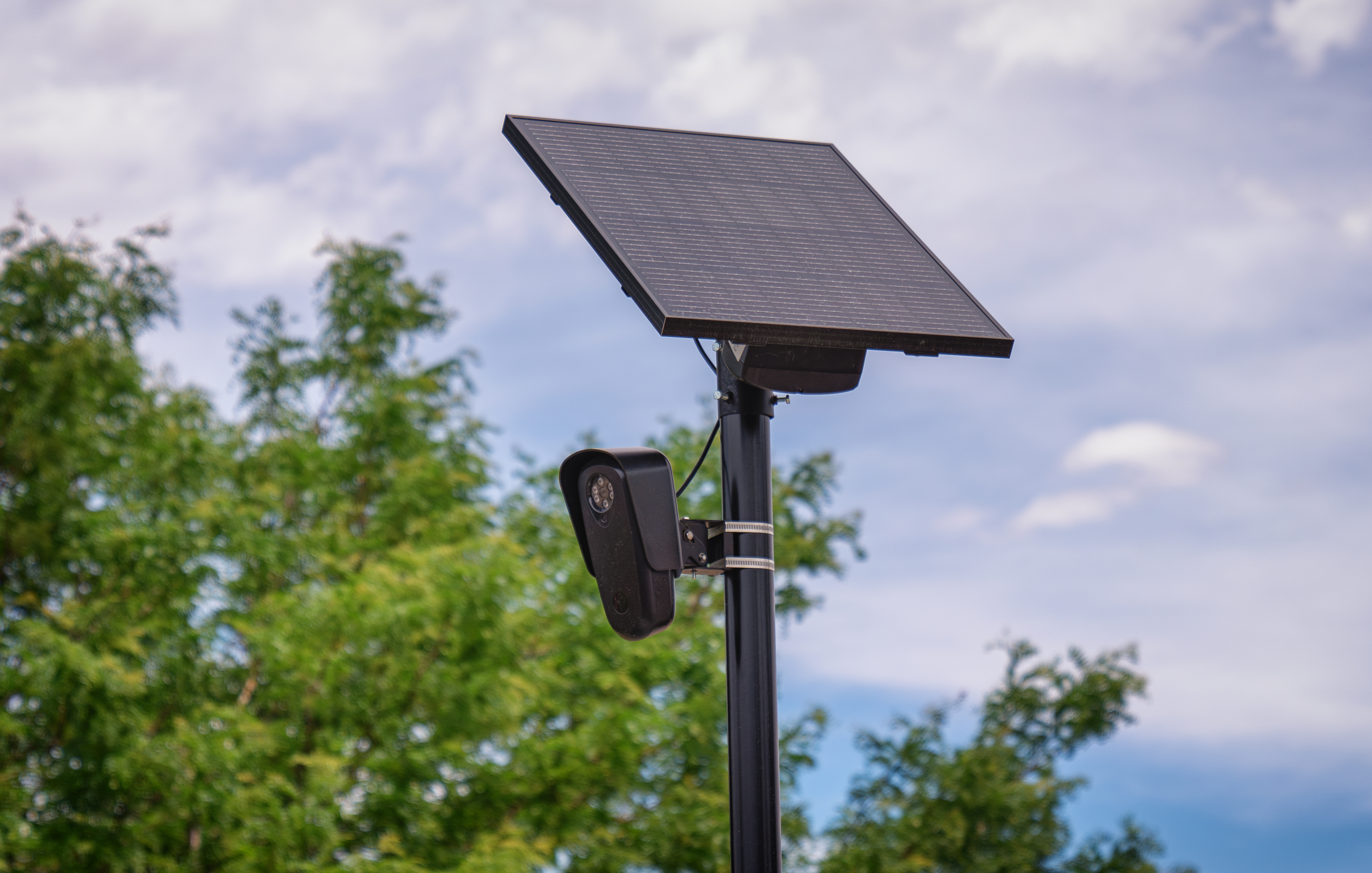
A camera on your block may be reading every license plate that passes. That camera talks to a private company. That company’s data has reportedly been accessed by federal agencies — without explicit local authorization. Increasingly, city councils are deciding that’s not the deal they agreed to, and the contract cancellations are piling up fast with Flock cameras.
Since early 2025, at least 30 localities have deactivated Flock Safety cameras or canceled contracts, according to NPR. DeFlock’s tracker, cited by Newsweek, puts the scope wider: 95 cities have rejected ALPR systems outright, and 22 jurisdictions have deactivated cameras already in the field. Treat those figures as tracker-based estimates — the tallies shift as new decisions come in — but the direction is unmistakable.
When the City Votes to Go Dark
A single audit in California set off a chain reaction that other cities are now following, one council vote at a time.
Mountain View, California made it concrete. The Guardian reported the city shut off all its Flock Safety cameras after an audit found federal agencies had accessed local camera data without explicit authorization during a brief period in 2024. The City Council then voted unanimously to end the contract. Santa Clara County’s Board of Supervisors followed, voting 3–2 to end county access to Flock’s cameras and data, according to KTVU. For residents in both jurisdictions, the immediate takeaway was stark: data collected locally had traveled further than anyone officially approved.
The pullback looks like this, on the ground:
- At least 30 localities deactivated or canceled contracts since early 2025, per NPR
- DeFlock’s tracker, cited by Newsweek: 95 cities rejected ALPR systems; 22 jurisdictions deactivated cameras already deployed
- Nine of roughly 106 Massachusetts communities contracted with Flock have cut ties, including Cambridge, Framingham, and Salem, per the Boston Globe
- CNN reported cancellations in Fort Collins, Eugene, Madison, Knoxville, Syracuse, and Walla Walla
- More than 20 jurisdictions stopped using Flock cameras — or began the process — in July alone, according to Politico, which framed the backlash as increasingly bipartisan
“Local communities are winning against ALPR surveillance,” the EFF wrote, crediting successful campaigns to council champions, organized grassroots pressure, and technical analysis of procurement contracts.
Who’s Actually Watching the Footage
The fear driving removals isn’t about the cameras themselves — it’s about where the data goes once it leaves your street.
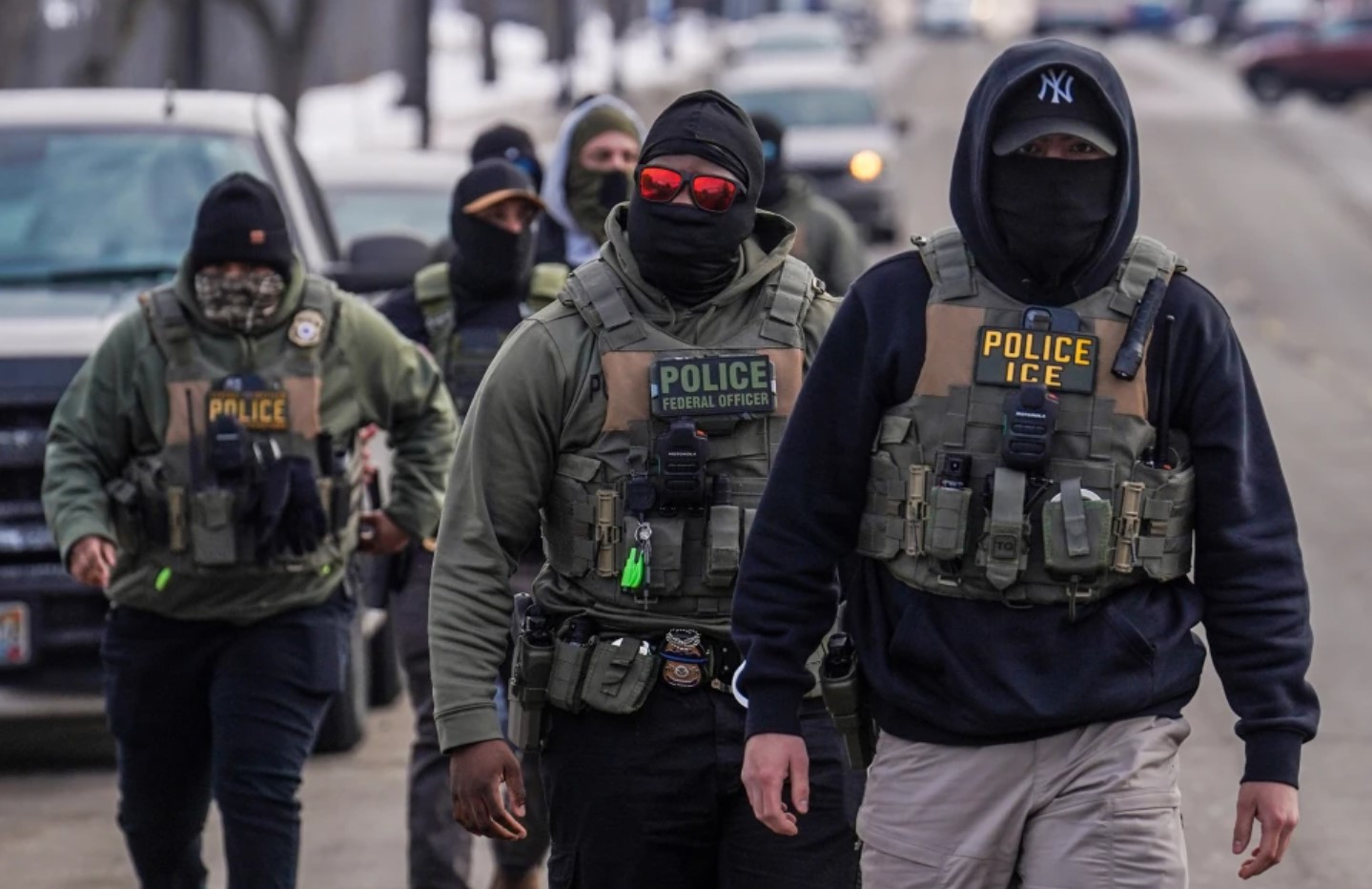
Stripped of the legalese, a Flock contract reportedly works a lot like clicking “accept” on a terms-of-service agreement nobody read carefully — except federal agencies apparently did read it. NPR specifically framed community fears around the possibility that local plate data could feed a federal deportation dragnet, echoing concerns about secretly tracking users without consent. Flock Safety’s own blog acknowledged that removals weren’t about technical failure; public trust eroded amid political debate over data-sharing arrangements.
This backlash isn’t spontaneous. The ACLU has an active campaign — literally called “Get the Flock Out” — and attributes cancellations to sustained public pressure. The EFF documented the organizing playbook: council allies, grassroots mobilization, and contract-focused scrutiny. Concerns about a surveillance app being weaponized against targeted communities have added fuel to the debate. The DeFlock tracker functions like a community-sourced receipt, mapping every jurisdiction that has pushed back. That infrastructure makes the movement searchable, shareable, and replicable — which is precisely why momentum keeps building rather than stalling after each individual vote.
Whether your city still runs Flock cameras or is weighing a renewal, the documented playbook suggests the outcome increasingly depends on who shows up informed to the next council meeting.