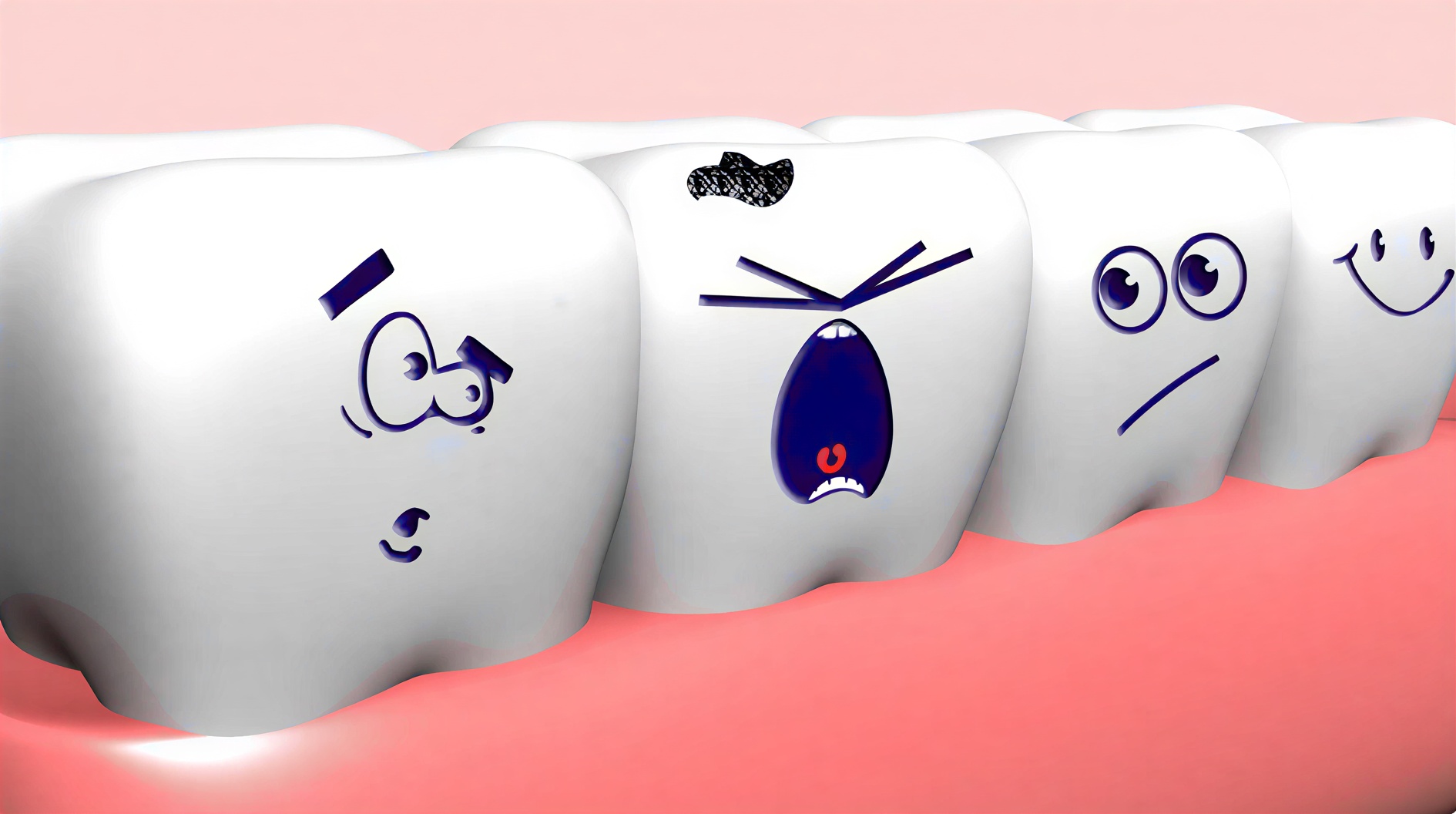
Your dentist has probably delivered this verdict at least once: enamel doesn’t regenerate. Once acid, grinding, or that nightly soda habit wears it down, the best modern dentistry can offer is fluoride to slow further damage — strengthening what remains, but unable to restore what’s lost. No rebuilding. No do-overs.
That may be changing. Researchers at the University of Nottingham have developed a fluoride-free protein gel that reportedly triggers new enamel-like mineral growth on damaged teeth, according to a peer-reviewed study published in Nature Communications. The critical caveat: this has been tested on extracted human teeth in a lab, not yet in living mouths.
How the Gel Actually Works
A protein scaffold tricks your teeth into rebuilding themselves.
The gel uses elastin-like recombinamers (lab-engineered proteins) designed to mimic the biological scaffolding your body used to build enamel in infancy. Applied as a thin coating, it fills microscopic cracks and damaged zones, then draws calcium and phosphate directly from saliva. New mineral crystals grow in precise alignment with the existing tooth structure — a process researchers call epitaxial mineralization, meaning the repair integrates with your tooth rather than sitting on top like a patch that peels off after three washes.
In ex vivo testing, the gel produced mineralized layers up to roughly 10 micrometers thick. The regenerated tissue then survived the full battery of real-world dental stress:
- simulated toothbrushing
- chewing
- grinding
- acid exposure
It matched healthy enamel in hardness, stiffness, toughness, and wear resistance.
That last part matters more than it sounds.
What This Means for Your Next Dental Visit
Don’t cancel your fluoride rinse just yet.
Nothing changes immediately. In vivo human trials still need to happen before this reaches any clinic. But the potential applications are worth tracking. Beyond enamel repair, the gel may also address exposed dentine — the layer beneath enamel responsible for that sharp sensitivity when you drink cold water after years of erosion or gum recession.
Commercialization efforts are linked to startup Mintech-Bio, and the researchers describe the application process as rapid and scalable. Unlike fluoride treatments, which strengthen existing enamel but cannot restore its architecture, this gel reportedly aims to rebuild both structure and function — a meaningful distinction in preventive dentistry.
The science is real. The timeline is not. But if clinical trials confirm what these lab results suggest, one of dentistry’s oldest shrugs — “sorry, it’s gone forever” — might finally have an answer worth sitting in that chair for.