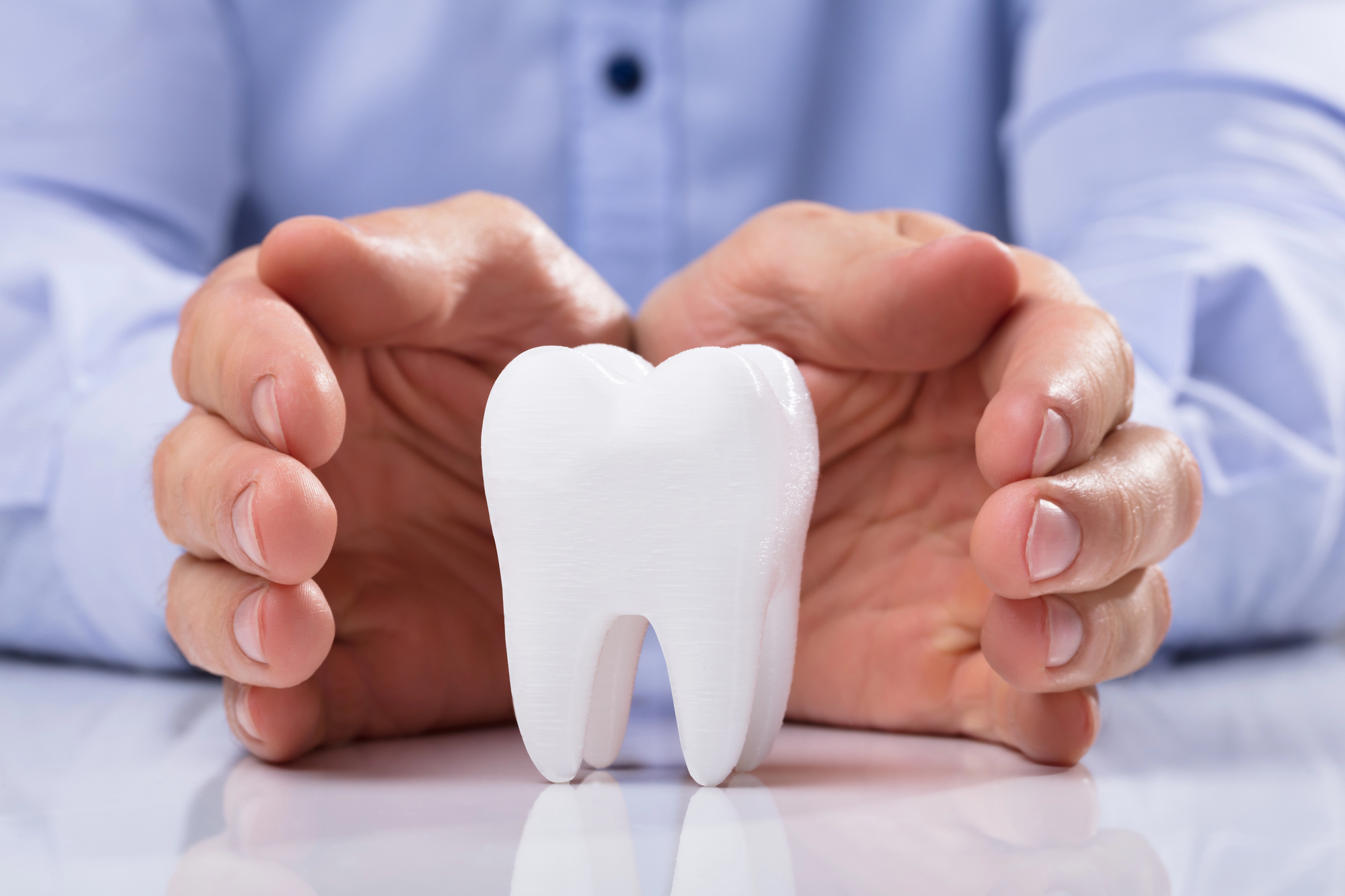
Thirty Japanese men are making medical history. They’re participating in the world’s first human trial of TRG-035, a drug designed to regenerate actual teeth in adults who’ve lost them. After nearly three decades of research, Dr. Katsu Takahashi’s team at Kyoto University Hospital started these Phase I trials in late 2024, targeting a protein that’s been suppressing your dormant third-set tooth buds your entire life.
The Science Behind Regrowing Teeth
Researchers discovered how to unlock tooth buds that have been waiting in your jaw since birth.
The breakthrough centers on neutralizing USAG-1, a protein that actively prevents your third set of teeth from developing. Think of it like a biological parking brake that’s been engaged since childhood. TRG-035 works as a monoclonal antibody that removes this brake, allowing dormant tooth buds to finally grow into functional teeth.
Animal studies in mice and ferrets showed complete tooth formation with natural integration—no surgical implantation required. This approach represents something entirely different from current dental solutions.
What the Current Trials Actually Test
Thirty healthy men are receiving single IV doses to establish safety protocols before broader applications.
Current participants are males aged 30-64 who are missing at least one tooth. They’re receiving a single intravenous dose while researchers monitor for side effects and determine optimal dosing. Previous animal trials showed no serious complications, but human biology often throws curveballs.
“This is a completely new technology,” according to Dr. Takahashi, whose team founded Toregem Biopharma to commercialize their discovery.
Timeline and Target Patients
Commercial availability aims for 2030, starting with children born missing teeth before expanding to adult tooth loss.
Future phases will focus on children aged 2-7 with congenital anodontia or oligodontia—conditions where kids are born missing teeth. This represents the most urgent medical need and clearest regulatory path. Adult tooth replacement will come later, potentially offering an alternative to the current choice between dentures and implants.
The drug already earned orphan status from Japan’s Ministry of Health, accelerating its regulatory review.
Market Disruption Potential
Success could reshape a $4.6 billion dental implant industry built on permanent tooth loss assumptions.
Your current options for missing teeth haven’t fundamentally changed since the 1970s: removable dentures or titanium implants drilled into your jawbone. TRG-035 represents a third option that could feel as natural as your original teeth.
While the 2030 timeline means you won’t be regrowing molars next year, the implications extend beyond dentistry into broader regenerative medicine applications. With Phases II and III extending toward decade’s end, growing new teeth might become a realistic expectation rather than a fantasy.