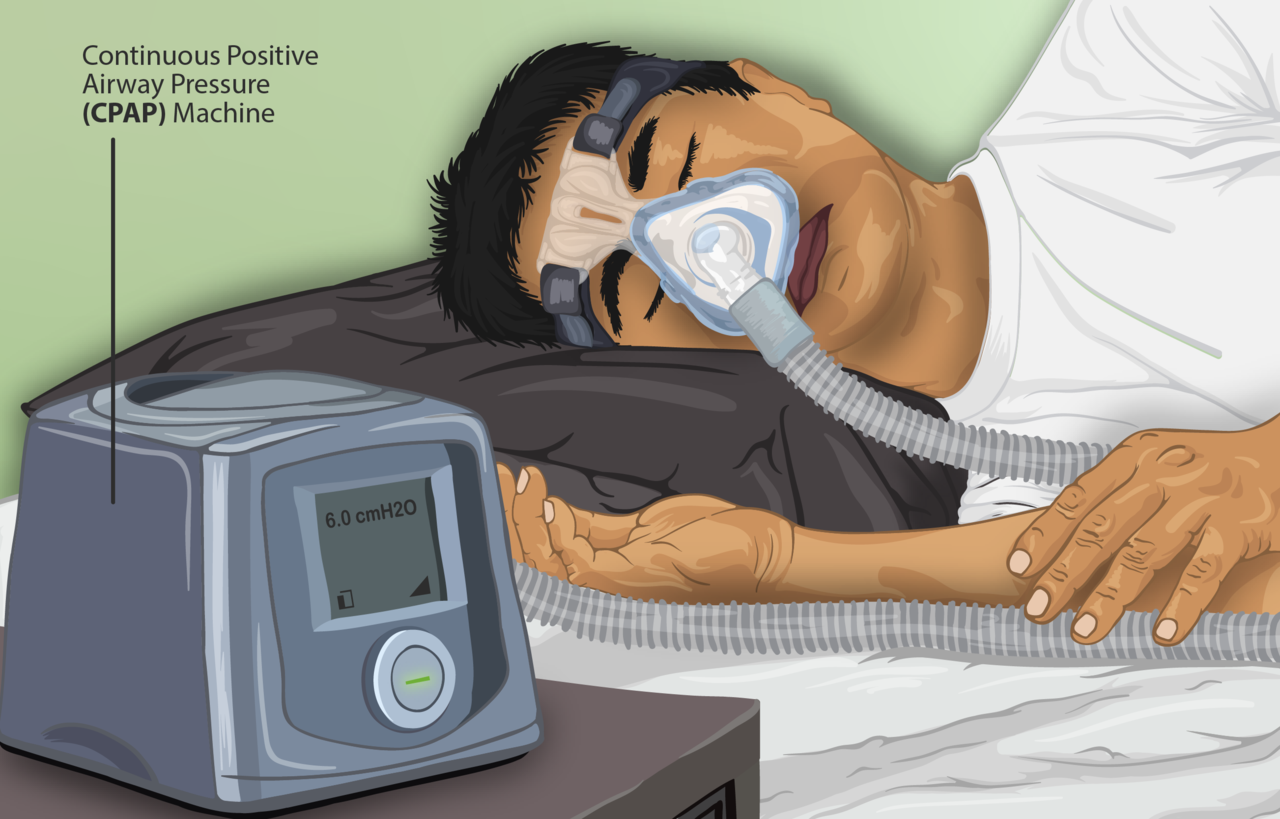
The mask that’s supposed to save your life might be slowly killing your marriage. After 45 years of CPAP machine dominance, sleep apnea sufferers are finally getting genuine alternatives that don’t involve strapping what feels like a fighter pilot mask to your face every night.
Three breakthrough innovations converged in 2026, offering the first real escape routes from continuous positive airway pressure therapy. You know the drill—that claustrophobic contraption that turns bedrooms into medical equipment showrooms and transforms intimate moments into awkward negotiations around tubing.
Battery-Free Implants Skip the Surgical Hassle
New neurostimulation devices eliminate battery replacement surgeries while targeting the worst sleep positions.
The Genio System represents the most significant advancement in implantable sleep apnea treatment since the technology emerged. UC Davis Medical Center performed Northern California’s first procedure in January 2026, installing a battery-free device through a single chin incision during outpatient surgery.
Unlike earlier implants requiring eventual battery replacement surgery, this system uses an external adhesive patch with a small battery. The bilateral hypoglossal nerve stimulation proves especially effective during back-sleeping, when apnea severity typically peaks. “We’re excited to offer patients this newly FDA-approved bilateral implant, which has been used in Europe for several years with comparable efficacy data,” says Dr. Scott Fuller from UC Davis Health.
Pills That Actually Work Are Finally Here
Oral medications achieve CPAP-level results without the machinery, targeting approval by 2027.
The pharmaceutical breakthrough feels almost too good to be true. AD109, combining an ADHD stimulant with an overactive bladder medication, delivered a 47% reduction in sleep apnea severity during Phase 3 trials. Nearly half of participants showed disease improvement by week 51, with 23% achieving complete control.
Dr. Sigrid Veasey from the University of Pennsylvania confirms the excitement is warranted: “The effects are robust and have a good scientific basis.” The combination works by stimulating muscles that maintain airway openness, offering immediate benefits unlike weight-loss dependent alternatives.
Meanwhile, European researchers identified sulthiame as another promising oral option, reducing breathing interruptions by up to 47% compared to placebo while improving overnight oxygen levels.
The End of One-Size-Fits-All Treatment
Precision sleep medicine finally gives patients real choices based on individual needs and preferences.
This convergence signals the end of CPAP’s monopoly and the beginning of personalized sleep apnea treatment. You’ll soon choose between outpatient implants, daily pills, or minimally invasive procedures based on your anatomy, lifestyle, and comfort preferences rather than defaulting to the same mask-and-machine combo that’s frustrated patients since 1981.
The shift mirrors how streaming services replaced cable’s take-it-or-leave-it bundles. After decades of medical paternalism around sleep apnea, patients are reclaiming agency over their treatment—and their bedrooms.