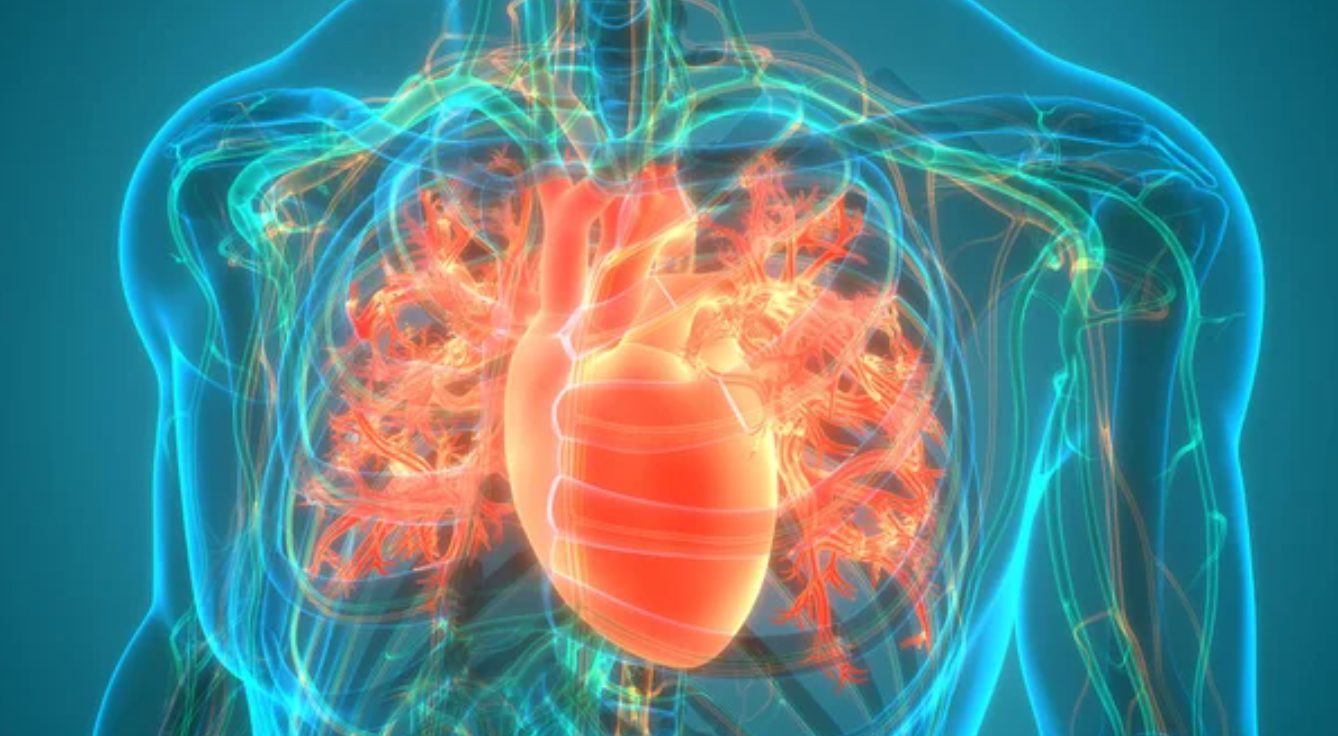
Heart attacks destroy up to one-third of your heart muscle cells, leaving behind scar tissue that doctors have long considered permanent damage. Yet researchers just confirmed something that rewrites cardiac medicine: human hearts actually regrow muscle cells after an attack, opening possibilities that could transform how we treat the world’s leading killer.
The Discovery That Changes Everything
Scientists at the University of Sydney and Royal Prince Alfred Hospital did something previous studies couldn’t—they examined living heart tissue during bypass surgeries, not lab mice or petri dishes. Their analysis revealed cardiomyocytes (heart muscle cells) actively dividing through mitosis in both healthy and scarred regions of human hearts post-attack, revealing cellular regeneration in both healthy and damaged regions.
Think of it like discovering your phone can actually repair its own cracked screen, when everyone assumed you’d need a complete replacement. This methodology allowed researchers to observe real-time cellular activity in actual patients, confirming regeneration occurs even in damaged tissue areas.
From Damage Control to Cellular Repair
“Our research shows that while the heart is left scarred after a heart attack, it produces new muscle cells, which opens up new possibilities,” says Dr. Robert Hume, the study’s first author. Professor Sean Lal frames the ultimate goal: “to use this discovery to make new heart cells that can reverse heart failure.”
The regeneration they observed is modest—insufficient for complete recovery—but provides a biological foundation that researchers can potentially amplify. Proteins already identified in successful mouse studies now have a human tissue model for testing potential therapies.
The Numbers Tell the Real Story
This discovery addresses a crushing medical reality: Australia sees 144,000 heart failure cases annually but only 115 heart transplants. Cardiovascular disease causes roughly 24% of deaths, yet treatment options remain limited to managing decline rather than restoring function.
If scientists can enhance the natural regeneration process their study confirmed, you’re looking at a potential shift from waitlists and deterioration to cellular renewal and recovery.
The research, published in Circulation Research, doesn’t promise immediate cures. But it fundamentally changes the conversation around heart damage from “learn to live with it” to “let’s figure out how to fix it.” Your heart, it turns out, never stopped trying to heal itself—science just needed better tools to see it happening.