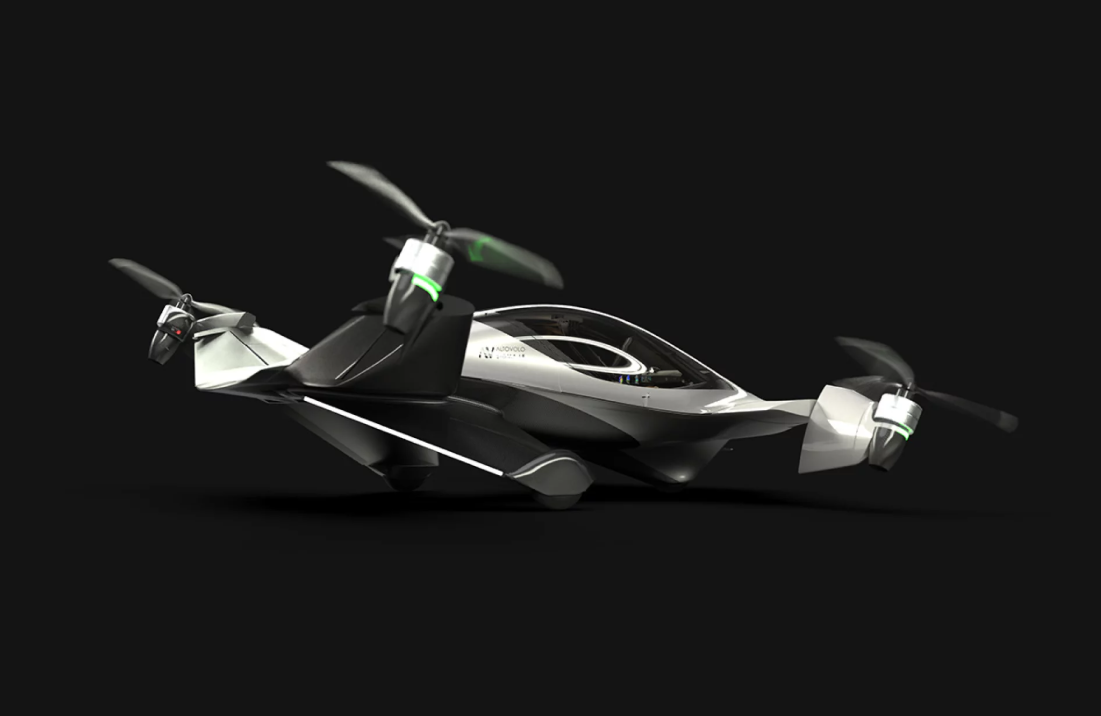
Flying cars have been vaporware longer than half-life sequels, but AltoVolo just moved the needle. The London startup’s Sigma eVTOL completed flight testing of its 1:4 scale prototype, proving that tilting electric jets can actually lift off and transition to forward flight. This isn’t another CGI fever dream—it’s metal in the air.
Patent-Pending Jets Make the Difference
The breakthrough lies in AltoVolo’s tilting electric jet system. Unlike the helicopter-style rotors dominating eVTOL designs, these jets pivot from vertical thrust during takeoff to horizontal push for cruise flight. The prototype ditched earlier closed ducted fans for open rotors, doubling hover time while cutting weight. Think of it as the difference between a Prius and a McLaren—both hybrid, but one actually gets your blood pumping.
Supercar Performance Meets Aviation Reality
Numbers that matter:
- 220 mph cruise speed
- 290 mph top speed
- 510 miles of hybrid range
The 1,608-horsepower powertrain runs battery-electric for VTOL phases, then switches to liquid fuel for efficient cruising. At 65-70 decibels during takeoff, it’s 80% quieter than helicopters—quiet enough for suburban operations without waking the neighborhood. Your Tesla might accelerate faster, but it can’t clear traffic jams at 10,000 feet.
Sport Pilot License Opens the Skies
Here’s where accessibility gets interesting. The two-seater configuration targets Sport Pilot certification, requiring only 25 hours of training versus hundreds for traditional aircraft licenses. That puts VTOL ownership within reach of anyone with helicopter money and weekend warrior commitment. Triple-redundant controls ensure safe flight even after losing one jet engine, while the ballistic parachute provides emergency protection.
Reality Check on the Runway Ahead
Before you start shopping for rooftop helipads, remember this: successful scale models don’t always translate to full-sized aircraft. AltoVolo’s full-scale demonstrator remains in progress with no announced timeline. The July 2025 waitlist opening suggests confidence, but aerodynamics get exponentially trickier at actual size. Still, completing prototype flights puts AltoVolo ahead of most eVTOL startups still pushing pixels instead of air.
The Sigma represents a shift from ride-sharing air taxis to personal aviation ownership. Whether it delivers on those 220 mph dreams depends on physics, regulations, and deep pockets—but at least now we know the concept can fly.