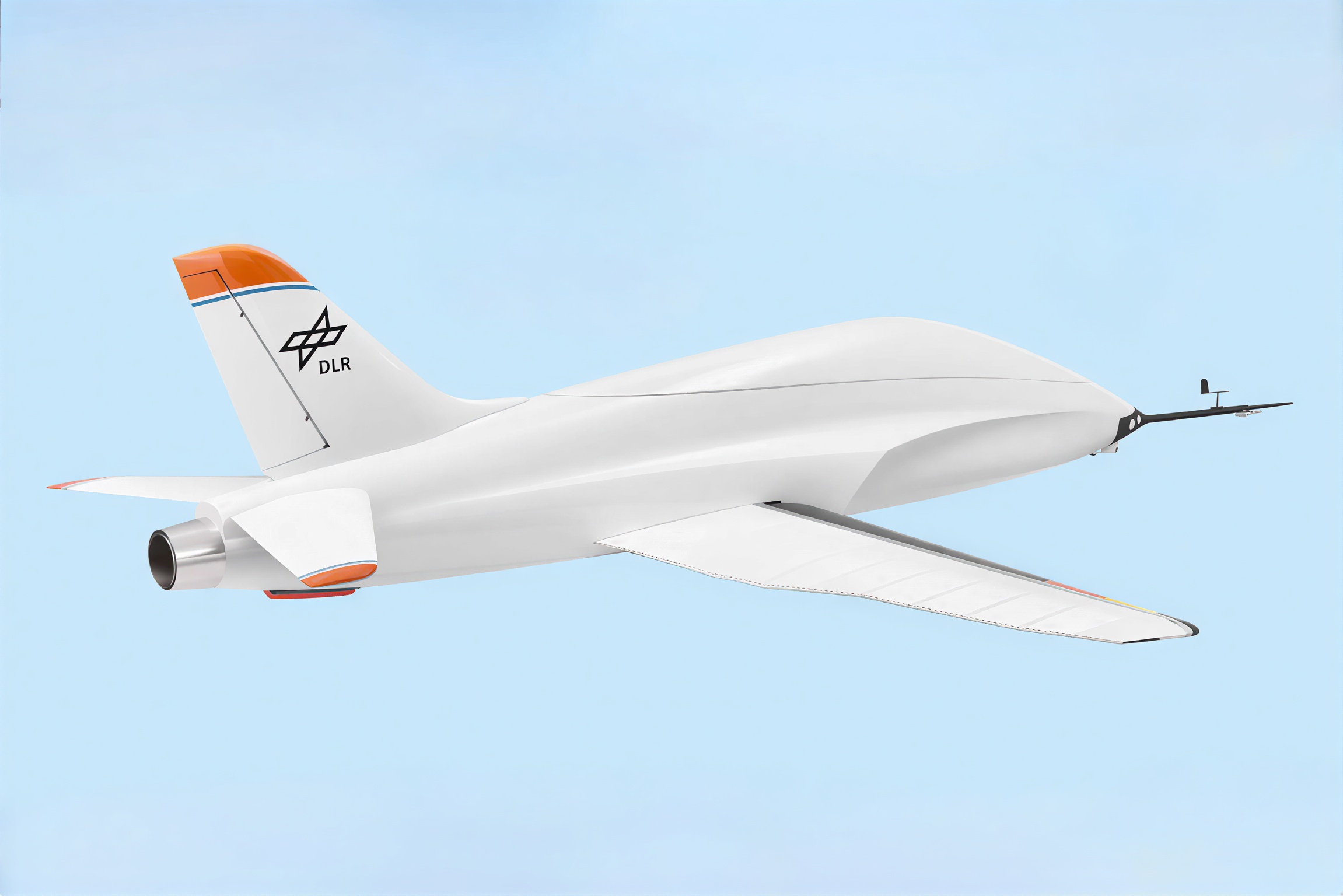
Your drone’s rigid wings work fine for simple flights, but imagine if they could morph mid-air like a bird adjusting for wind gusts. The German Aerospace Center’s morphAIR project claims to have tested flap-less morphing wings that reshape continuously during flight on their PROTEUS aircraft. These alleged trials would mark significant progress in Hyperelastic Trailing Edge Morphing (HyTEM) technology, bringing us closer to aircraft that adapt like living creatures.
Fiber-Composite Wings Bend Without Breaking
Ten actuator points supposedly create seamless shape changes across the wingspan.
Traditional aircraft wings compromise between takeoff lift and cruise efficiency, but morphing wings could eliminate this trade-off. The proposed HyTEM system reportedly uses fiber-reinforced composites with small actuators positioned at ten points along the wingspan, enabling seamless deformation without gaps or mechanical complexity. This continuous reshaping would reduce drag, noise, weight, and maintenance while optimizing lift for each flight phase—though specific validation remains unconfirmed through independent sources.
AI Pilots the Shape Changes in Real-Time
Smart algorithms would redistribute wing control when turbulence or damage occurs.
The morphing system’s brain supposedly lies in its AI-assisted flight controls, which would monitor deviations from turbulence or structural damage through adaptive algorithms. Like a smartphone automatically adjusting screen brightness, these controls would redistribute actuator commands in real-time based on pressure sensing that reconstructs full wing aerodynamics from just a few measurement points. This proactive stability could beat reactive traditional systems that only respond after problems develop.
NASA Already Proved the Commercial Potential
Adaptive wing tests confirmed fuel savings and noise reduction benefits.
NASA‘s ACTE project with external partners validated the commercial viability by testing flexible trailing-edge technology on aircraft at Armstrong Center. Those trials confirmed that adaptive wing designs deliver measurable fuel savings, noise reduction, and lighter structures. The technology even retrofits to existing wings, meaning your future flights could benefit without entirely new aircraft designs.
Your Next Drone Might Morph Too
Urban air mobility and consumer applications follow commercial aviation advances.
While commercial passengers won’t see morphing wings tomorrow, drone manufacturers and urban air mobility companies are already eyeing this technology. Future demonstration flights could prove scalability before reaching larger aircraft. Your future delivery drones and air taxis could cruise more efficiently and land more quietly thanks to wings that adapt like nature always intended.