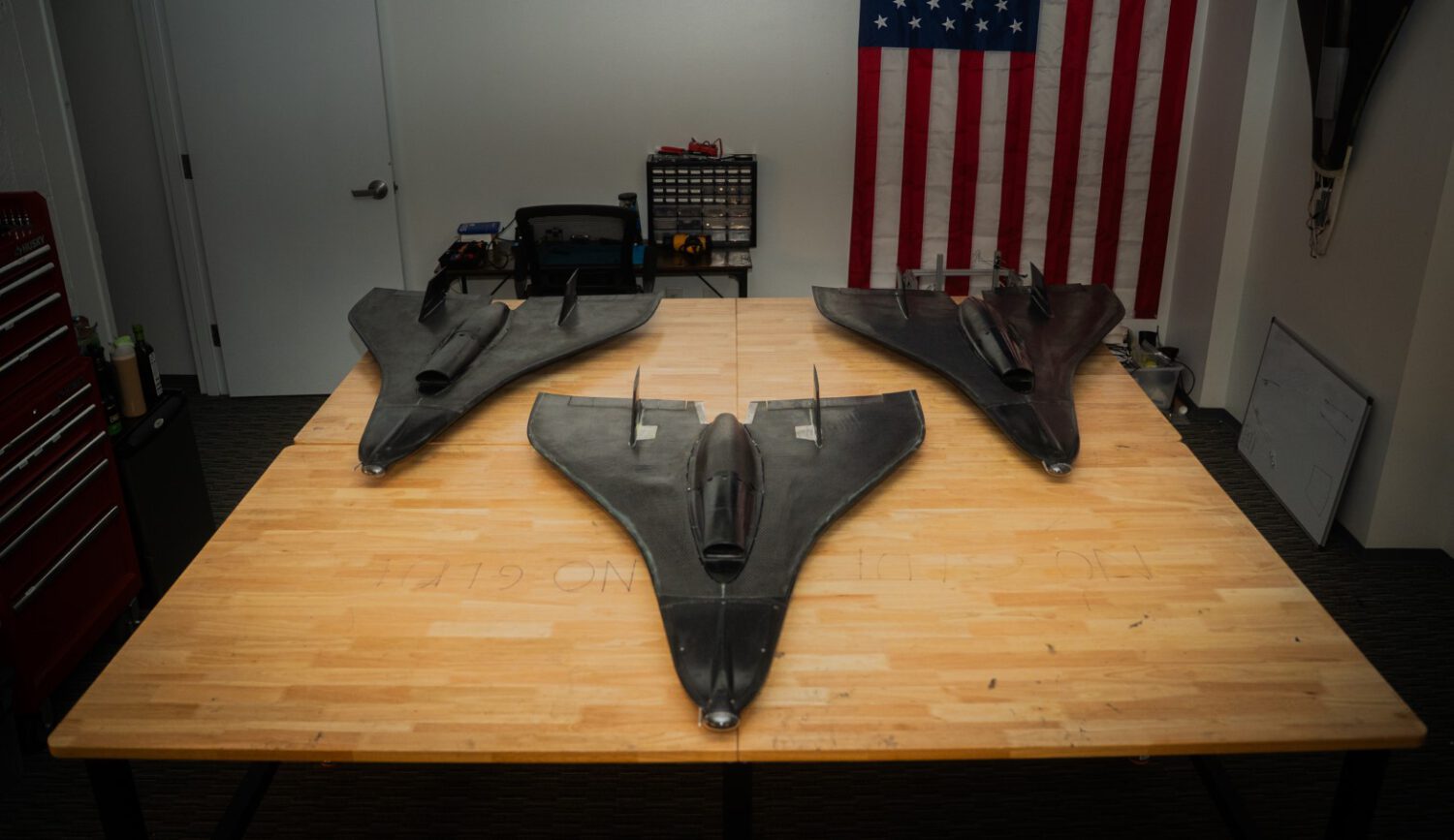
At approximately $13,000 in construction costs, Reaper reportedly outpaced a benchmark that a German pilot and a purpose-built aircraft set in 2017. Salvo claims his aircraft hit 491 mph (790 km/h) while carrying a 2.6-pound payload.
No independent timing authority or formal ratification body has confirmed the result.
How You Build a 491-MPH Aircraft in a Dorm
Carbon fiber, laser-cut framing, and a 3D-printed titanium nozzle define the engineering approach behind a $13,000 student project.
Reaper weighs approximately 11 pounds and uses a custom-molded carbon-fiber shell with a lightweight laser-cut internal structure.
The powerplant is a 250-newton turbojet. Salvo reportedly fitted it with a custom 3D-printed titanium nozzle designed to shift the engine’s mounting position forward, improving center-of-gravity balance without adding nose weight.
What Salvo Claims the Aircraft Can Do
Reported endurance figures suggest a system built for sustained performance, not a single unrepeatable sprint.
According to reporting based on Salvo’s own social media posts, Reaper can sustain its top speed for roughly four minutes on a full tank. The aircraft reportedly climbs to approximately 6,500 feet in under 20 seconds and covers around 31 miles at full speed.
Salvo says he built three Reaper aircraft and that all three reached the claimed speed. That repeatability, if independently confirmed, would distinguish Reaper from a one-off prototype flight.
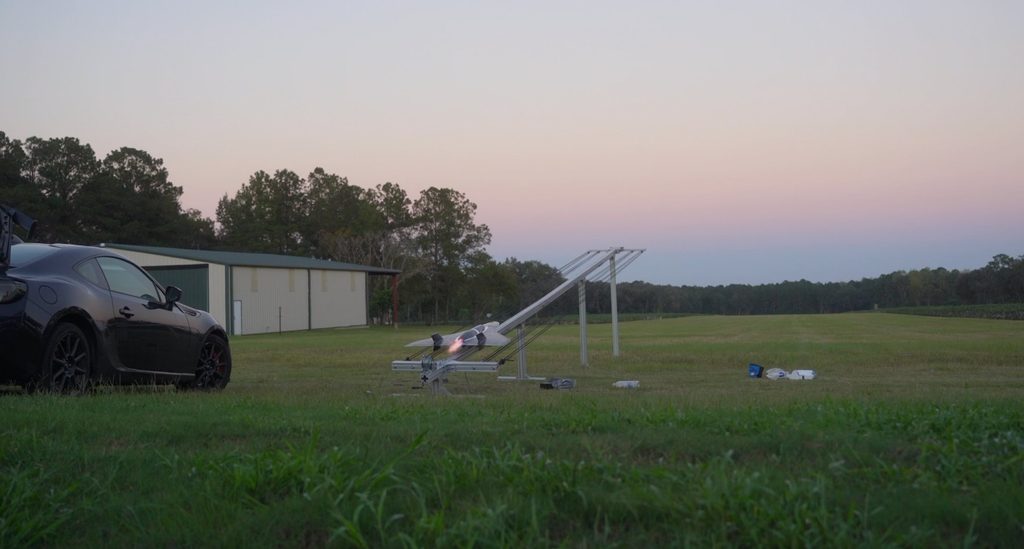
The aircraft launches from a rail system or a truck rather than a conventional runway.
Where the Record Claim Stands
The 491-mph figure is self-reported; what separates a compelling claim from a verified world record is documented, independent timing.
Salvo’s reported 491 mph exceeds the 465-mph benchmark associated with German pilot Niels Herbrich’s Inferno, set in 2017, which is the most relevant prior comparison in radio-controlled jet aviation. By comparison, Kingchaser, a jet-powered RC aircraft developed by University of Bath graduates, recorded a reported test-flight speed of 273 mph.
Available reporting describes the Reaper result as unofficial. No independently calibrated timing data, sanctioning body review, or impartial observer verification has been publicly documented.
Ratification would ordinarily be expected to require confirmed flight conditions, payload verification, calibrated equipment, and an independent observer, though exact requirements depend on the governing body and applicable rules.
What Comes Next
Salvo has stated his intention to push past 500 mph, a target that would still leave Reaper well short of the speed of sound.
At 491 mph, Reaper sits roughly 276 mph below the commonly cited sea-level speed of sound, approximately 767 mph. Reporting based on Salvo’s posts indicates his goal is to surpass 500 mph in future test runs.
Until independent verification is completed, Reaper stands as an officially unconfirmed speed record and a notable student engineering effort.