Young adults who grew up glued to screens are staging a full-blown rebellion against smartphone culture. While the specific personal accounts driving this narrative remain unverified, the broader movement reflects measurable digital fatigue and a documented shift toward analog alternatives. This isn’t just nostalgic whimsy—it’s calculated resistance to constant connectivity.
The Numbers Don’t Lie About This Digital Detox
Market trends suggest massive appetite for yesterday’s technology.
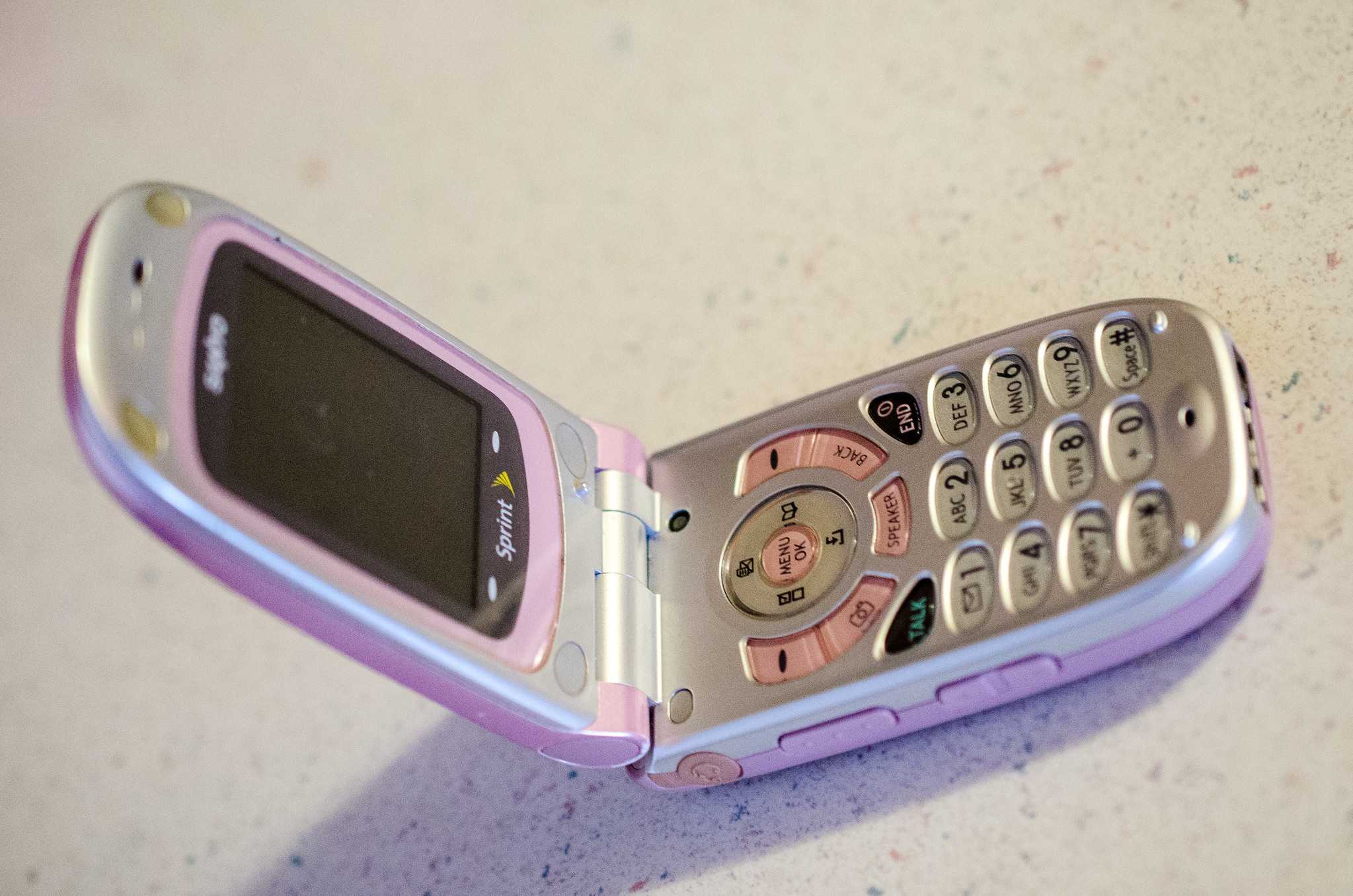
The refurbished electronics marketplace Backmarket reports surging interest in Wi-Fi-free devices—from vintage cameras to MP3 players that can’t access Instagram. This cultural shift away from constant connectivity mirrors documented patterns of digital exhaustion and mental health concerns among young users. The irony? Many document their analog journey on the very platforms they’re trying to escape.
Parents Lead the Resistance Against Kid-Targeted Tech
Digital childhood anxiety drives families toward boomboxes and disposable cameras.
Parents increasingly reject smartphones and tablets for young children, opting instead for physical media players and disposable cameras. These aren’t technophobic decisions—they’re calculated choices about when and how children engage with digital tools. The goal centers on preserving childhood experiences without the drama and addiction potential of social media platforms.
Creative Types Rediscover Tactile Workflows
Writers and artists choose deliberate limitations over infinite distractions.
Creative professionals are gravitating toward typewriters, film cameras, and minimal-feature phones that eliminate internet temptation entirely. This movement includes photographers choosing 16mm and 35mm formats over digital alternatives. The appeal lies in tactile engagement and focused workflows that analog tools naturally enforce.
E-Waste Guilt Meets Mental Health Anxiety
Sustainability concerns amplify the push toward refurbished retro devices.
The World Health Organization reports 62 million tons of global e-waste in 2022, packed with toxic materials like lead and mercury. This environmental reality strengthens the case for extending device lifespans through retro adoption. Combined with post-COVID digital fatigue and AI anxiety, younger consumers are actively choosing products their parents remember fondly. The tech industry built engagement algorithms assuming infinite appetite for connectivity—turns out there’s a breaking point.