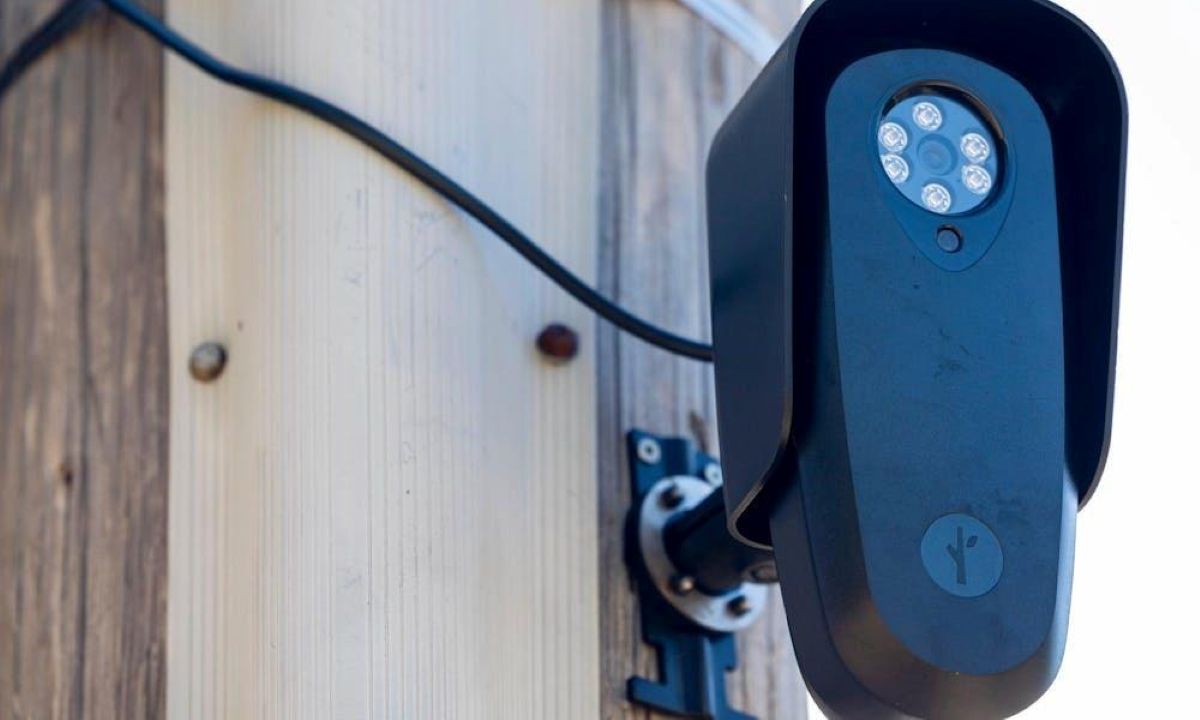
Surveillance pushback actually worked for once. Bloomington, Indiana just terminated its $50,000 contract with Flock Safety after 400+ residents stormed city hall demanding an end to networked license plate surveillance. Your Ring doorbell might feel invasive, but imagine every drive automatically logged and shared across law enforcement agencies statewide.
The Flock Network That Had Residents Spooked
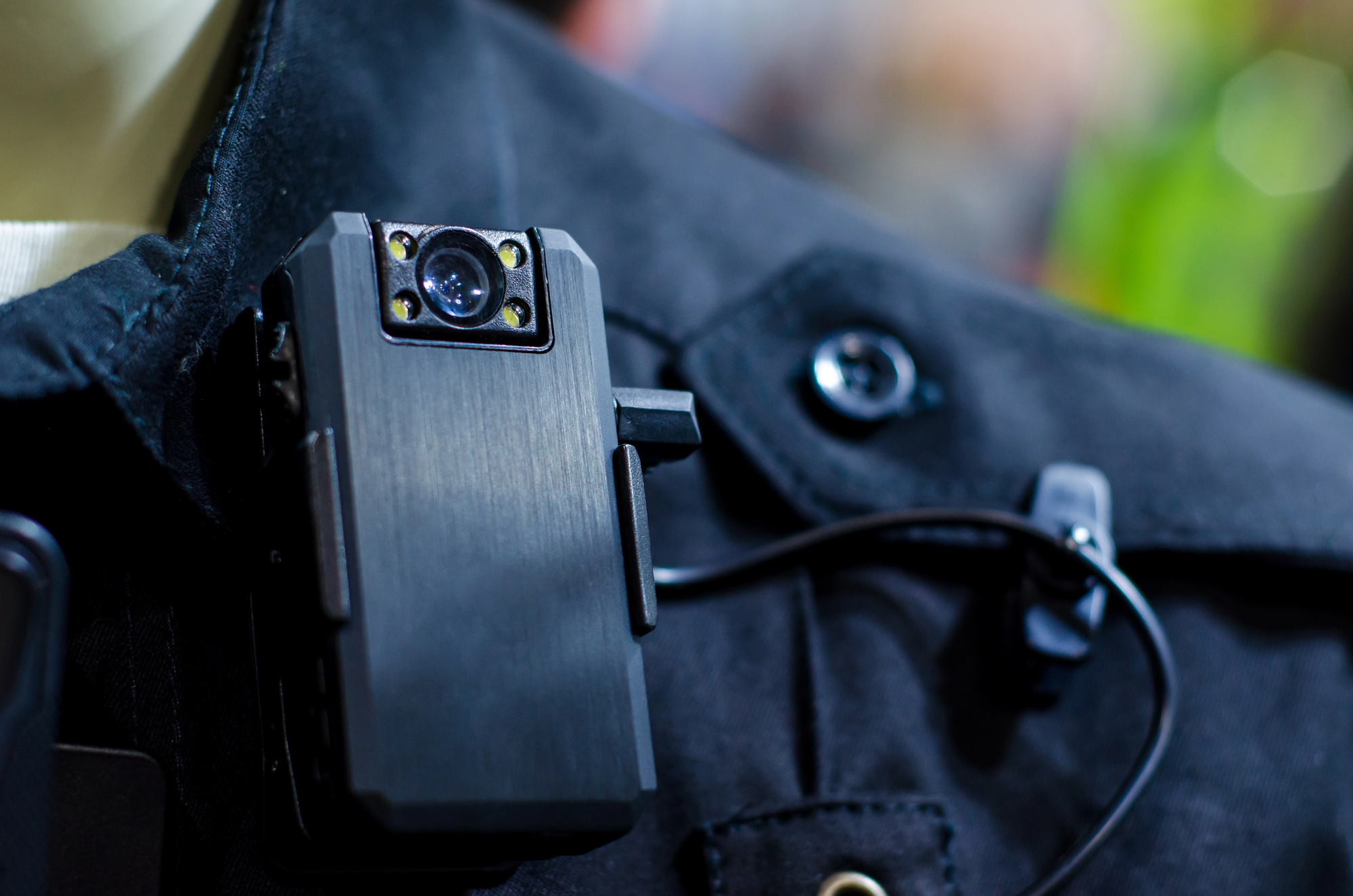
Flock’s system in Bloomington wasn’t your typical traffic camera setup. The company’s automated license plate readers, plus video cameras and mobile trailers with gunshot detection, captured license plates, vehicle makes, models, colors, and identifying stickers. Data stayed searchable for 30 days across a network accessible by police departments throughout Indiana. Think of it as creating a digital trail of every car movement, stored and shareable like your Netflix viewing history—except law enforcement agencies were the subscribers.
When Privacy Fears Hit City Hall
The January 30th city hall protest drew parallels to post-2020 surveillance anxiety, but with specific immigration enforcement fears. Activists cited ACLU reports showing how similar systems in Massachusetts led to ICE data sharing despite local promises otherwise. Even after Bloomington police updated policies in March to ban using Flock data for immigration or reproductive investigations, residents remained skeptical. When you can’t control who gets access to your movement data downstream, local policies become meaningless promises.
Contract Termination and What’s Next
The contract expired with Mayor Thomson announcing non-renewal. Bloomington Police Department now has access limited to internal staff only, ending the broader Indiana law enforcement sharing arrangement. The city is evaluating privacy-focused alternatives while keeping existing cameras operational under stricter controls.
Victory Lap for Privacy Advocates
The unanimous council resolution requesting contract review represented rare local government responsiveness to surveillance concerns. While Bloomington police successfully used Flock data to recover a kidnapping victim, the community decided those benefits didn’t justify the privacy trade-offs. Sometimes democracy actually works.