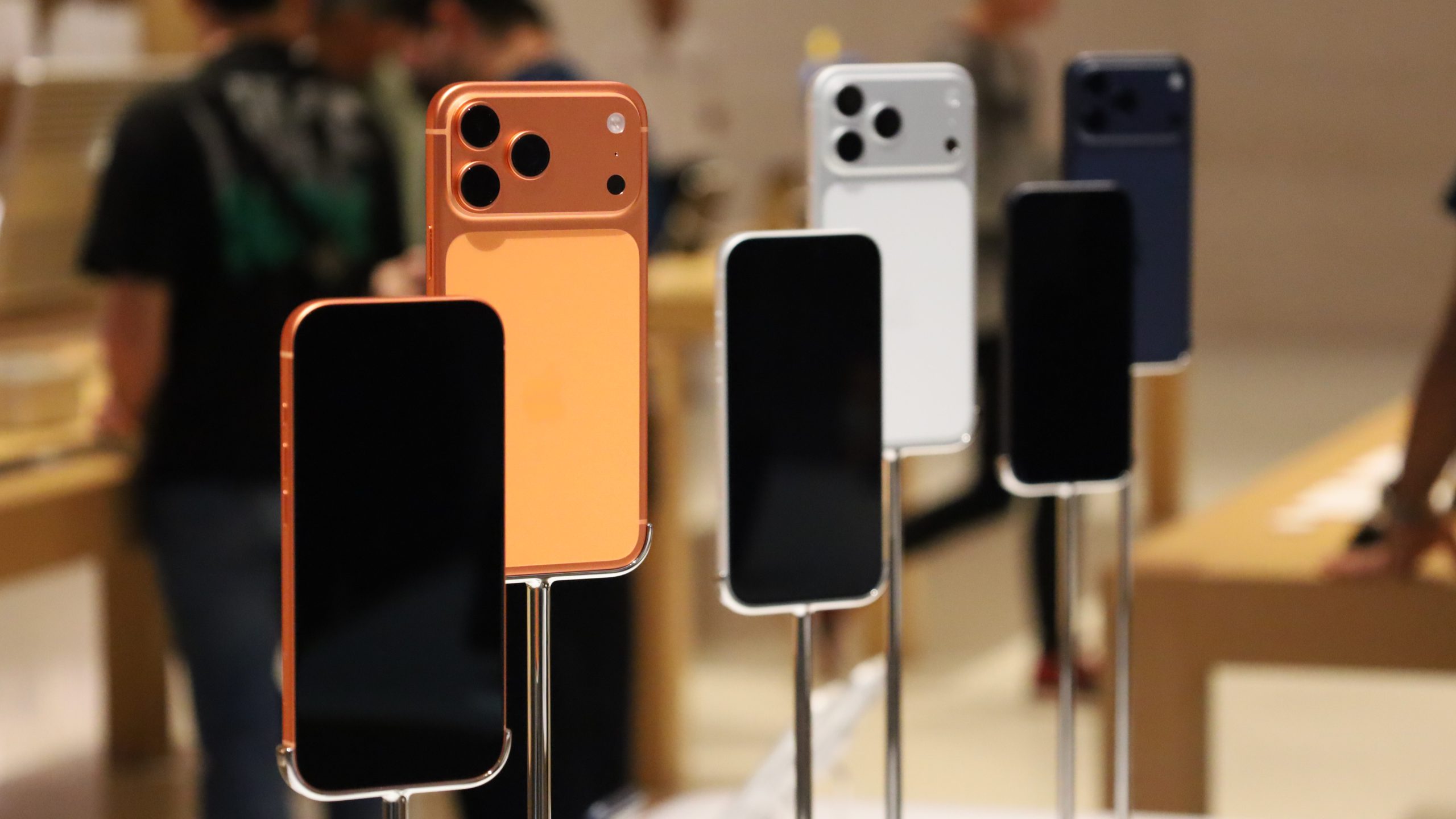
Your iPhone 17 might actually be late because Apple can’t get enough chips. Tim Cook admitted during the latest earnings call that device availability suffered due to insufficient A19 and A19 Pro processors from TSMC. Now Apple’s exploring something that would have seemed impossible just a few years ago: buying chips from Intel.
TSMC’s AI Problem Becomes Apple’s Supply Headache
NVIDIA’s data center gold rush is eating Apple’s lunch at the world’s most advanced chip factory.
The AI boom isn’t just reshaping software—it’s consuming TSMC’s most advanced manufacturing capacity. While Nvidia and other data center players throw cash at Taiwan’s chip giant for AI processors, Apple finds itself competing for production slots that once belonged exclusively to consumer devices.
These exploratory talks with Intel and visits to Samsung’s Texas facility represent Apple’s acknowledgment that even the world’s most valuable company can’t monopolize the world’s best chip foundry forever.
Intel and Apple: From Bitter Divorce to Awkward Coffee Date
Fifteen years of manufacturing frustration don’t disappear overnight, but desperation makes strange bedfellows.
Remember those Intel-powered MacBooks that ran hot enough to cook eggs? Apple certainly does. From 2005 to 2020, Intel’s repeated delays and performance plateaus drove Apple to spend $278 million acquiring P.A. Semi in 2008—essentially planning their breakup while still married.
The M1’s stunning success vindicated that divorce completely. Yet here we are, with Apple executives reportedly touring Intel facilities under CEO Lip-Bu Tan’s leadership. The conversations focus on Intel’s upcoming 18A and 14A manufacturing nodes, potentially for lower-end M-series chips rather than flagship processors.
Strategic Hedge or Negotiating Theater?
These talks might be less about Intel’s capabilities and more about Apple’s leverage with TSMC.
Markets certainly took notice—Intel’s stock jumped 13% while Samsung gained 6% on the news. But neither company currently matches TSMC’s technical prowess in advanced chip manufacturing. Apple’s exploration could strengthen its negotiating position with TSMC, ensuring priority access to cutting-edge nodes while developing legitimate backup options.
The company’s famously demanding manufacturing standards mean any real production partnership would require years of validation. Samsung’s Texas facility begins risk production in 2026, while Intel continues rebuilding foundry credibility with government backing, including an $8.9 billion federal stake.
Apple’s preliminary discussions remain exactly that—preliminary. No orders exist, and the company could easily abandon these initiatives entirely. But your next iPad or entry-level Mac might eventually sport an “Intel Inside” sticker again, proving that even the most bitter corporate divorces can find second chances when supply chains get desperate.