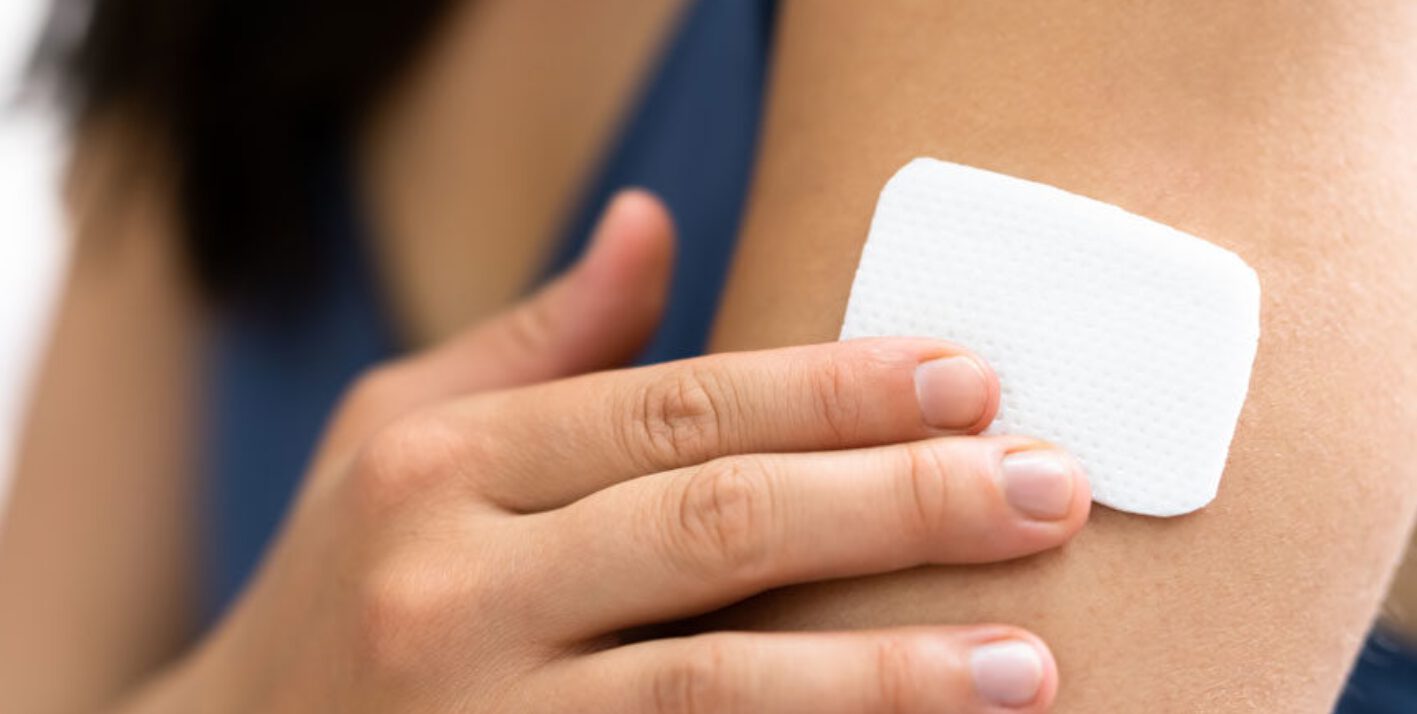
Surgery for melanoma can be brutal—especially when tumors appear on your face, hands, or other cosmetically sensitive areas. Now researchers have developed a stretchy, Band-Aid-like patch that heats up and releases copper ions directly into cancer cells, achieving a 97% reduction in melanoma lesions during preliminary mouse studies. Before you get too excited, this breakthrough is still years from human trials.
Smart Patch Technology Targets Cancer Cells With Precision
The patch combines laser-induced graphene—a porous carbon material—with copper oxide particles embedded in soft silicone. When warmed to just 108°F using a low-power laser (think medical spa treatment, not industrial cutting), it releases copper ions that penetrate skin tissue. These ions trigger cancer cell death through oxidative stress while leaving healthy tissue untouched. The patch feels as comfortable as a high-tech fitness tracker, conforming to skin contours without irritation.
Laboratory Results Show Dramatic Tumor Reduction
In controlled mouse studies, researchers applied activated patches for one hour on days 1 and 5 of a 10-day treatment period. Results were striking:
- Melanoma tumors shrank by 97%
- Cancer cells couldn’t migrate to other body regions
- Tissue analysis detected no copper accumulation in organs or bloodstream
That combination—dramatic efficacy with localized action—addresses melanoma’s deadliest characteristic: its tendency to metastasize rapidly.
Non-Invasive Alternative Challenges Surgical Standard
Traditional melanoma surgery requires cutting away tumors plus surrounding healthy tissue margins, creating permanent scars and requiring recovery time. This patch approach flips that equation entirely. You’d receive outpatient treatment with no incisions, minimal downtime, and the ability to retreat the same area multiple times if needed. For facial or hand melanomas—where surgical scarring carries significant cosmetic and functional consequences—this represents a paradigm shift in treatment options.
Broader Patch Revolution Transforms Cancer Treatment
The copper-ion patch joins an expanding arsenal of skin-applied cancer treatments:
- Microneedle patches deliver chemotherapy drugs achieving 57% tumor suppression
- Phosphorus-32 radiation patches cure 80% of basal cell carcinomas
- Cold plasma patches boost immune responses, extending survival in melanoma mice from 0% to 57%
Think of it like the streaming wars—multiple technologies competing to replace the old cable model of invasive surgery.
Clinical Reality Still Years Away Despite Promise
Here’s the reality check: this technology remains in early preclinical development with substantial work ahead before reaching patients. Human safety trials, longer-duration studies, manufacturing scalability, and FDA approval typically require 5-10+ years from current stages. The preliminary results justify excitement, but managing expectations matters. For now, surgical removal remains the gold standard while researchers methodically validate whether laboratory success translates to clinical reality.