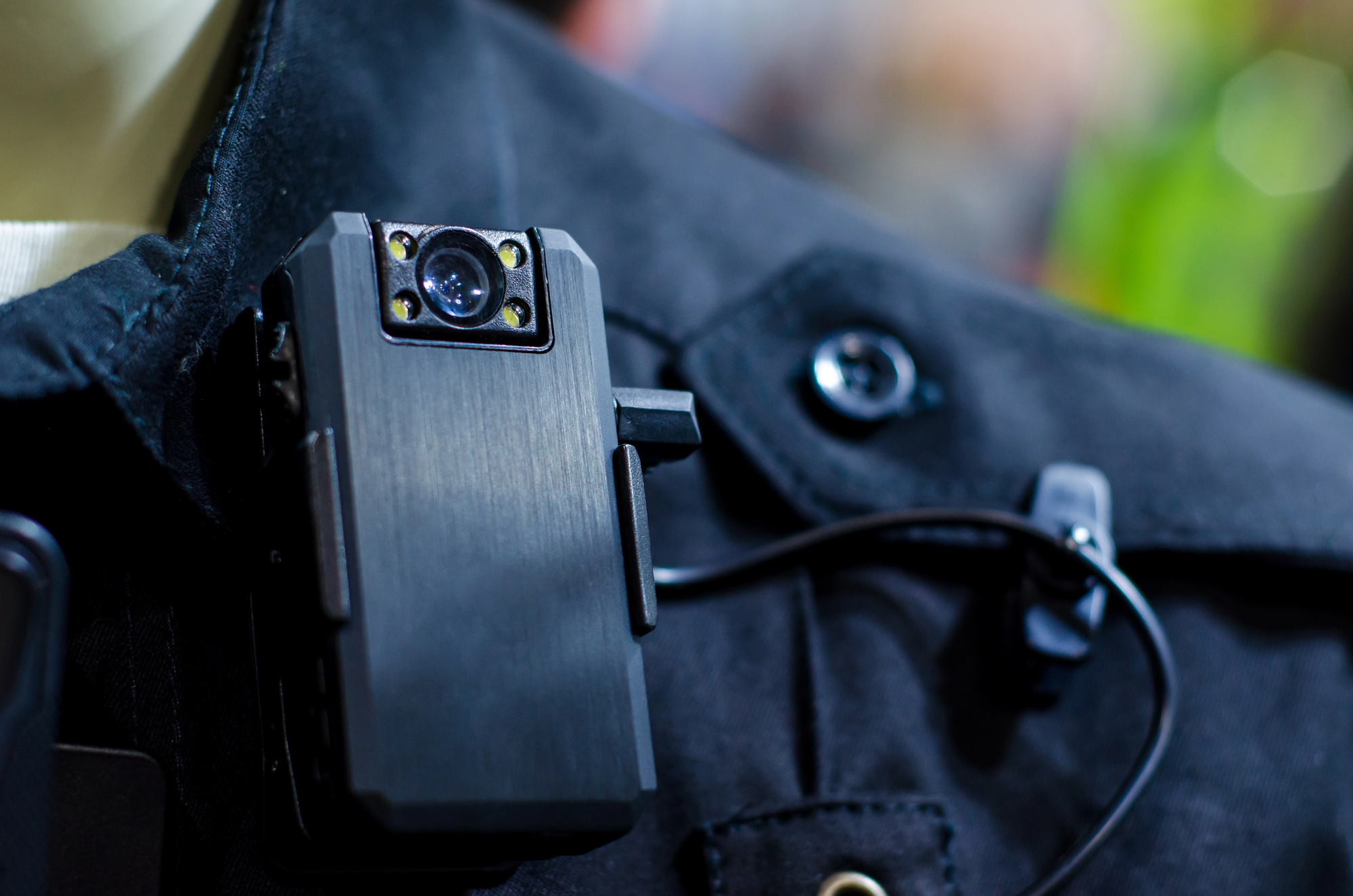
Five deputies entered a Middletown Township bedroom on January 30, 2026, executing an arrest warrant on a man experiencing a mental health crisis. He was naked from the waist down, sitting on his bed, trying to pull on pants. Former Deputy Sheriff Ryan Gaffney, 46, removed his right glove, palmed his personal iPhone, covered his own Axon bodycam with his other hand, and photographed the man’s genitals. He thought blocking his camera was enough.
It wasn’t.
How the Cover-Up Unraveled
Other deputies’ bodycams captured what Gaffney’s deliberately did not—and digital forensics filled in the rest.
Four other cameras were rolling in that room. Their footage showed Gaffney manipulating his phone, obscuring his own lens, and briefly aiming the device at the nude detainee. Axon system logs revealed he never accessed his own bodycam footage from that day for months—so the image he later showed a female civilian coworker “in jest” at the Bucks County Criminal Justice Center couldn’t have come from official recordings.
When investigators obtained a search warrant for his iPhone on April 22, 2026, forensic analysis recovered the photos even though they’d vanished from his visible library and Recently Deleted folder. Metadata pinned them to his specific device, at timestamps matching the bodycam footage frame by frame. Nothing truly disappeared.
Gaffney faces charges of:
- official oppression
- unsworn falsification
- obstruction
- possession of an instrument of crime
A separate December 26, 2024 incident involved photographing a different prisoner’s naked buttocks on his personal phone. Forensic analysis found he distributed images to at least 12 people, including coworkers and personal contacts. He denied the allegations in a voluntary interview and provided misleading screenshots of his photo library. Gaffney, a deputy since 2023, was terminated before formal charges were filed.
What This Case Actually Exposes
The technology caught one deputy—but twelve people received those images before anyone said a word.
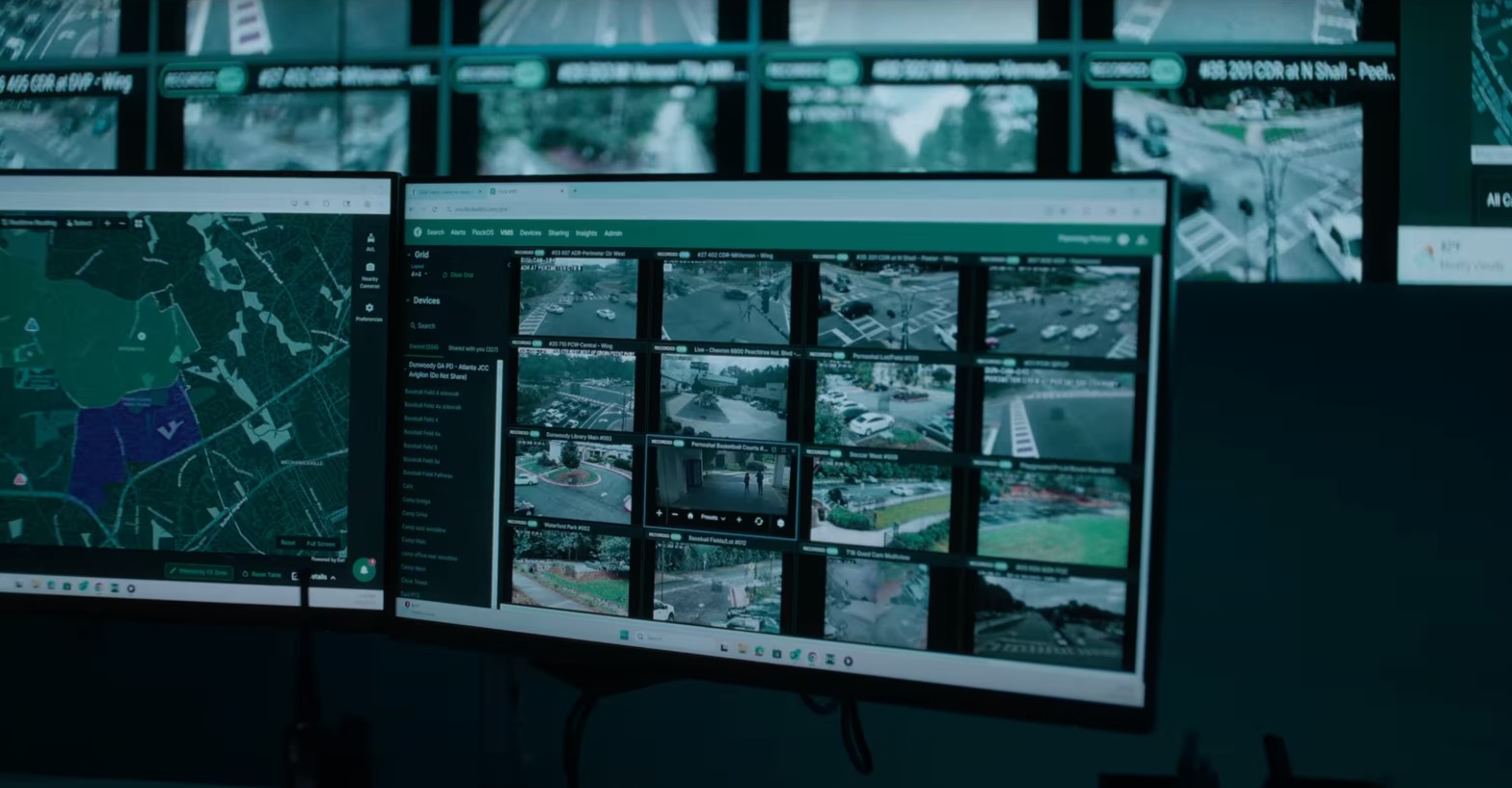
Bodycams entered American policing post-Ferguson as a promise: accountability through transparency. What you’re watching here is that architecture catching an officer who tried to exploit a gap in it. But technology only started the process. A fellow deputy who witnessed the sharing waited three weeks to report it, raising concerns reminiscent of how a surveillance app can be turned against the very people it was meant to protect.
“When a deputy sheriff breaks the law and then attempts to cover it up by lying about it, it erodes the public trust that thousands of honest public servants work daily to preserve,” DA Joe Khan stated, pledging that “no one is above the law, especially not those who are sworn to enforce it.”
Twelve recipients. That number reflects a workplace culture where humiliating a vulnerable person in custody felt casual enough to text around. Agencies may soon ban personal phones in custodial settings, and vendors could build automated alerts for when bodycams are covered mid-encounter — much like modern security systems flag tampering in real time. Those are policy fixes. Whether the culture that made sharing feel like a joke gets addressed is a question no software update can resolve.