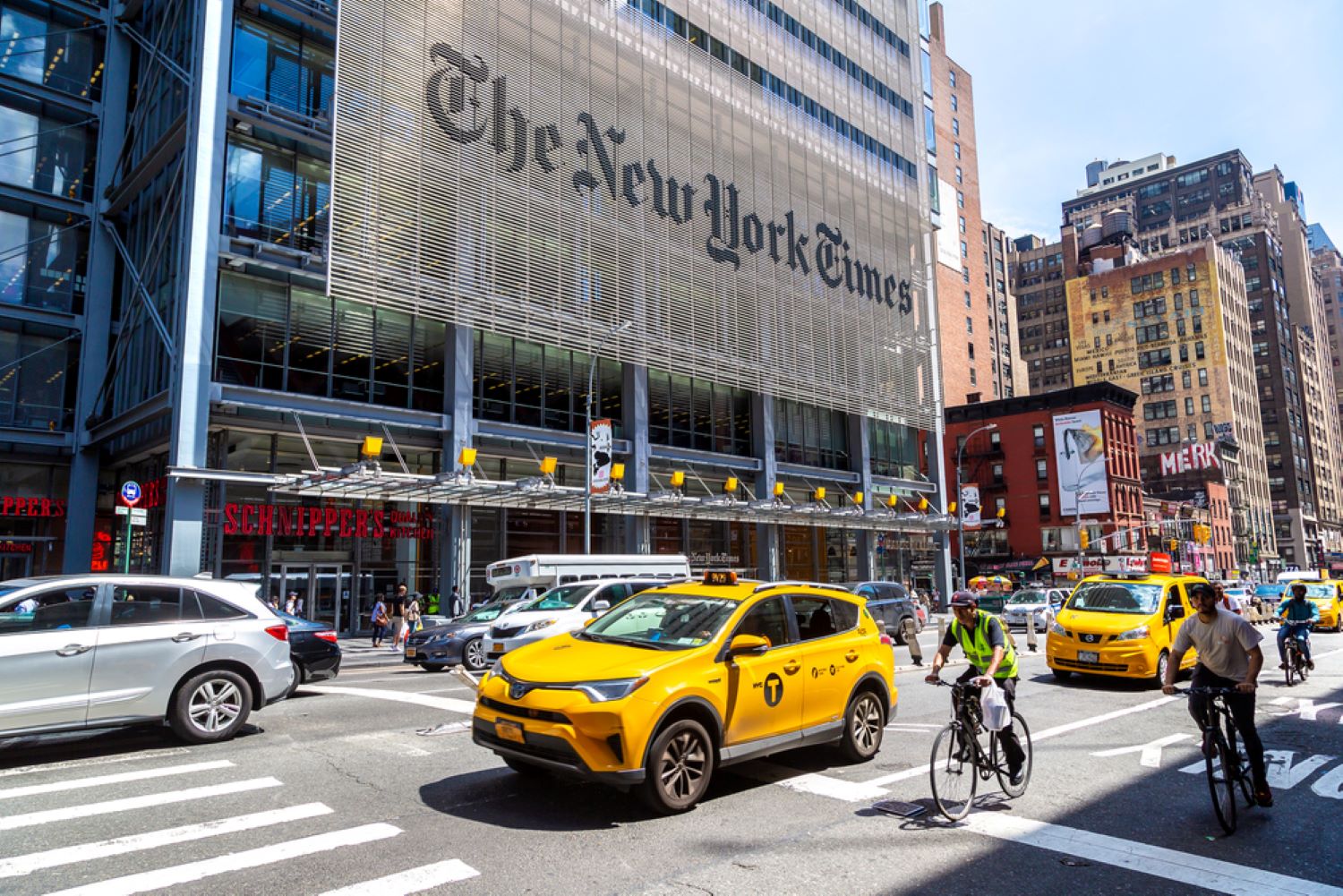
The Justice Department didn’t just subpoena New York Times reporters over a leak about Air Force One security concerns. It went after their families — people who never wrote a single word about Trump’s Qatari-donated jet. This kind of targeting echoes patterns seen in other surveillance app operations aimed at individuals beyond the primary subjects of investigation.
One subpoena targeted a reporter’s mother, a mental health professional whose phone records could expose confidential client communications. Another sought records from a reporter’s spouse who serves as general counsel at a major law firm, where attorney-client privilege carries real legal data weight. The Times has asked a federal court to block the subpoenas entirely, calling them a “bad-faith effort to intimidate the journalists and chill their ability to report on the administration,” according to the paper’s court filing. If you’ve ever talked to a journalist — or know someone who has — the implications here extend well beyond one newsroom.
How It Started
The stories ran on July 8 and 9. The subpoenas followed within days.
The Times reported “significant concerns” inside the federal government about the security capabilities of Trump’s new plane — the one Qatar donated, which Trump flew to Turkey and showcased before the Secret Service urged him back onto the older Air Force One. Grand jury subpoenas demanding three reporters testify about their sources arrived July 10. Phone record subpoenas hit carriers on July 10, 14, and 16. Trump directed FBI Director Kash Patel to oversee the investigation, according to the Times.
Acting Attorney General Todd Blanche insisted the DOJ was “not targeting reporters” but pursuing people who disclosed classified information that “everybody should want to protect.” DOJ spokeswoman Kiersten Pels stated that subpoenas were issued “in full compliance with federal law and internal department policy.”
Here’s what the Times flagged as irregular:
- At least two subpoenas sought records dating back to January 1 — months before the Air Force One stories — suggesting a broader source-fishing operation
- After the Times moved to quash grand jury subpoenas, the DOJ served another carrier subpoena and asked a different judge to gag that company from notifying the paper
- Records were sought for a reporter’s mother, a mental health professional, and a reporter’s spouse, a law firm general counsel — neither involved in the reporting
- The DOJ waited a full week to inform the Times about the phone record requests, a potential violation of its own media guidelines
The Pattern Behind the Subpoena
This conduct has precedent — and that precedent was already criticized as overreach.
The Trump DOJ previously seized phone records from Washington Post reporters Ellen Nakashima, Greg Miller, and Adam Entous, tied to 2017 Russia reporting. It also obtained CNN Pentagon correspondent Barbara Starr’s work lines, bureau phones, home number, and personal email. A DOJ inspector general report later confirmed prosecutors ignored internal policies across multiple leak investigations, according to VOA. Biden called the practice “wrong” and barred his DOJ from doing it. That policy no longer applies.
The DOJ’s metadata strategy — call logs, text headers, carrier records — works like secretly tracking users to reconstruct what they had for dinner. No content, just the shape of every relationship.
Judge Arun Subramanian of the U.S. District Court in Manhattan has paused all subpoenas pending his ruling. A hearing is scheduled for Thursday. His decision could clarify how much enforceable weight DOJ’s internal media guidelines actually carry — and whether subpoenaing a reporter’s mother is a line courts are willing to draw.