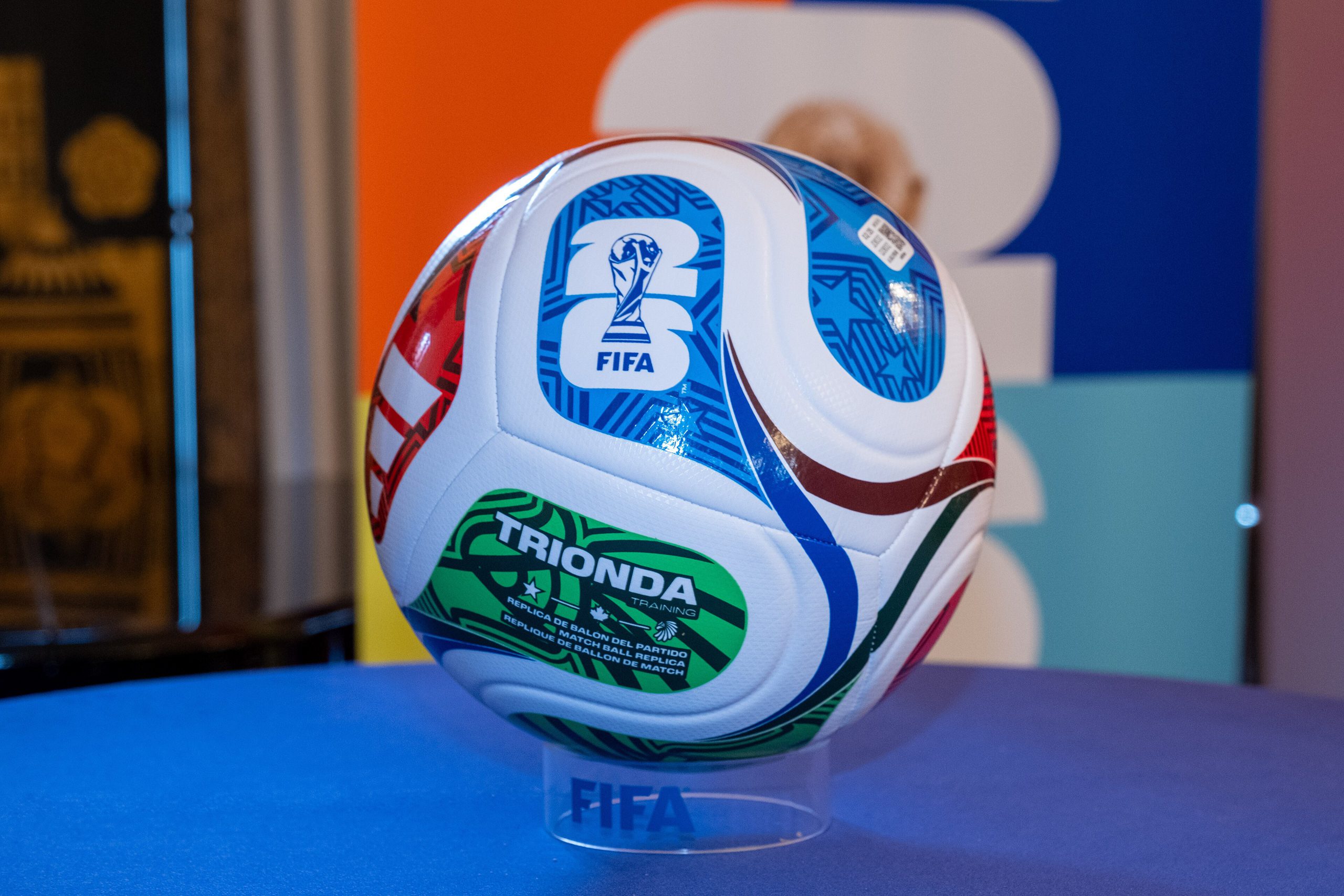
Soccer’s biggest party is turning into surveillance theater. The 2026 FIFA World Cup across 16 North American venues isn’t just deploying typical event security. We’re talking military-grade facial recognition, robot dogs with AI cameras, and counter-drone systems that might sweep up your phone data. All justified as keeping you safe, but with consequences that’ll outlast the final whistle.
The Tech Arsenal Being Deployed
From robot patrols to facial scanning, World Cup venues are becoming surveillance testing grounds.
Several US stadiums—including Gillette in Boston, Hard Rock in Miami, and Mercedes-Benz in Atlanta—are rolling out AI-powered facial recognition for entry and payments. Registered fans can use their face instead of traditional tickets or cards. Meanwhile, four robot dogs equipped with cameras will patrol venues in Dallas and New Jersey, while Fortem Technologies scored a multimillion-dollar deal with DHS to deploy kinetic counter-drone systems that physically intercept unauthorized aircraft.
The kicker? Privacy advocates warn that many counter-drone tools intercept radio communications in ways that could affect nearby devices. “What if any interception of phone data might be occurring” remains unclear, according to Jake Laperruque from the Center for Democracy and Technology.
Your Data, Their Infrastructure
Federal agencies are spending big on surveillance systems designed to outlast the tournament.
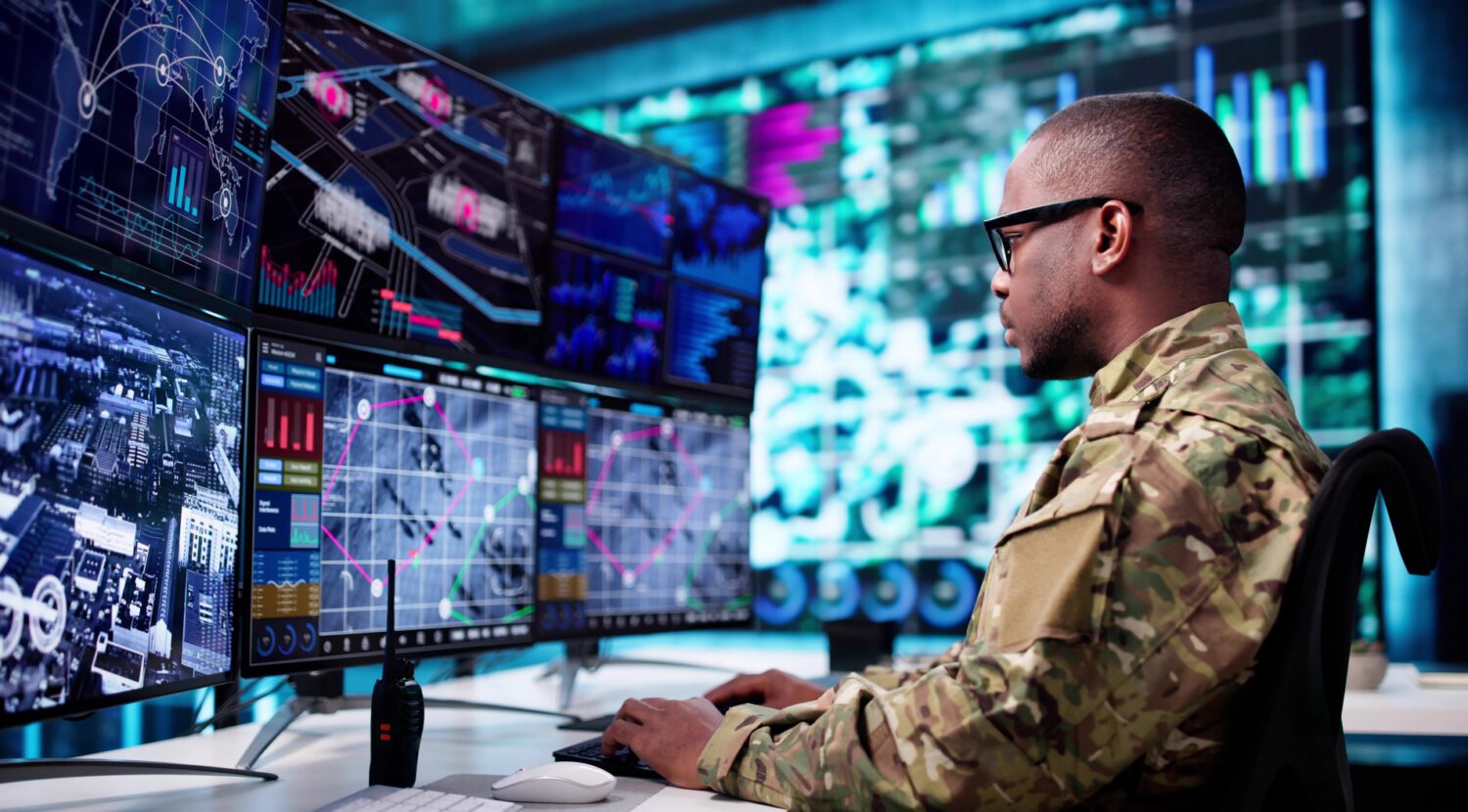
DHS and FEMA have committed $365 million to World Cup security technology—$115 million for drone programs and $250 million in counter-drone grants to host states. Lenovo is building “digital twins” of stadiums for real-time crowd monitoring, while companies like Booz Allen Hamilton are fusing drone imagery with GPS tracking into integrated command platforms.
But here’s what should worry you: this isn’t temporary. “Security is often used as an excuse for agendas that have nothing to do with security at all,” warns the ACLU’s Jay Stanley, particularly regarding potential immigration enforcement under the Trump administration. Privacy International’s Ilia Siatitsa argues defense contractors are using the World Cup as a “global showcase” to normalize battlefield-tested surveillance in civilian spaces.
The Permanent Hangover
When the party ends, the surveillance infrastructure stays.
The Electronic Frontier Foundation’s Matthew Guariglia describes surveillance as “infrastructure” that “will outlast the current World Cup.” Translation: your local stadium keeps the facial recognition, your city keeps the command center, and your neighborhood keeps the expanded camera network. Qatar’s 2022 tournament deployed over 15,000 cameras that remain active today—a preview of what’s coming to North America.
The ACLU has issued travel advisories warning foreign fans about “increased surveillance” and potential ICE data sharing. Even if you’re just there for the beautiful game, your biometric data might stick around for the ugly aftermath.