Waymo already had riders in Orlando. Now Tesla has shown up — fleet-limited, geo-fenced, and exactly 24 hours before its Q2 earnings call. On July 21, 2026, unsupervised Model Y robotaxis began operating in Orlando and Tampa, extending Tesla’s Florida footprint beyond Miami’s July 3 debut, according to TechCrunch. The expansion is real. The timing is the AV equivalent of dropping an album the night before a Grammy vote — technically legitimate, strategically obvious.
Florida’s Becoming the Proving Ground
A permissive regulatory climate and three active cities make the Sunshine State Tesla’s fastest-growing robotaxi market.
Florida granted Tesla a statewide autonomous license, eliminating city-by-city permit requirements. That’s a meaningful edge over California, where safety drivers are still mandatory. Miami’s pilot covers roughly 10 to 14 square miles in western Miami-Dade County, per third-party tracking. Orlando and Tampa appear similarly constrained in scope.
Total deployed robotaxis across all markets? Described as “dozens” to “hundreds,” according to Electrek. Not thousands.
Here’s what the expansion actually looks like:
- Pilots use unsupervised Model Y SUVs with no safety driver onboard, relying entirely on Tesla’s camera-only FSD system
- Active markets now span Austin, Dallas, Houston, Miami, the Bay Area, Orlando, and Tampa
- Tesla promised seven new cities in H1 2026 — only a subset launched on time, and the company quietly softened investor materials from firm commitments to “preparations underway”
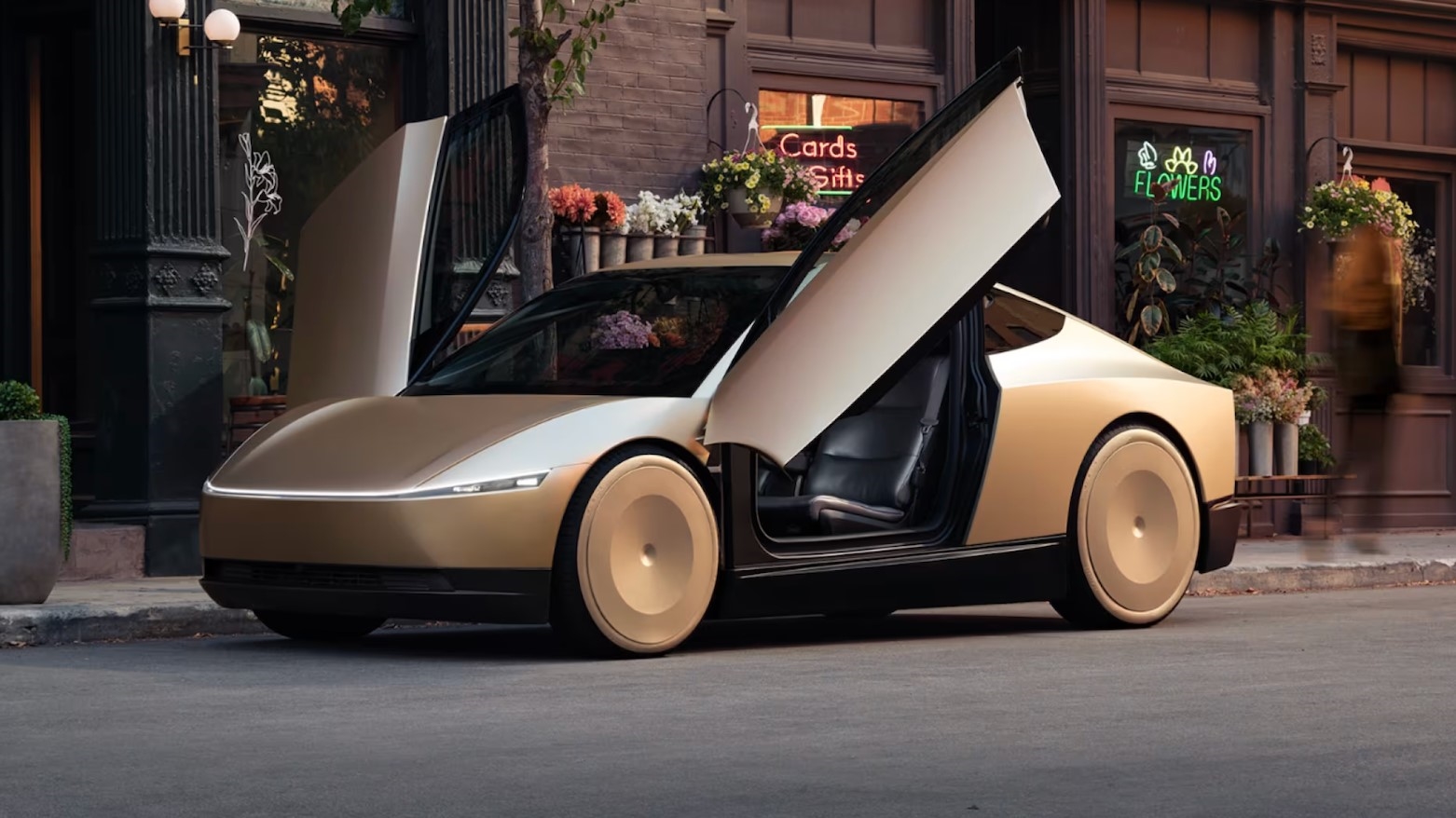
- The U.S. Department of Transportation has proposed removing brake-pedal requirements for autonomous-only vehicles, potentially clearing the path for Tesla’s purpose-built, two-seat Cybercab
Progress or Optics?
Missed timelines and small fleets complicate the narrative Tesla wants investors to hear.
Musk’s 2024 pledge that robotaxis would serve roughly half the U.S. population by the end of 2025 went unfulfilled. At the Q1 2026 earnings call, Musk described safety validation as the “binding constraint” on expansion — a notable pivot from deadline-driven promises, per TechTimes. Financial commentators note Tesla “has repeatedly missed self-driving timelines,” according to Yahoo Finance coverage.
Camera-only FSD still faces Florida’s heavy rain and complex tourist-district traffic. Whether a vision-only system can match lidar-equipped competitors like Waymo under those conditions remains genuinely unresolved.
The optimist case: Tesla’s single generalized FSD stack could scale faster than city-specific mapped systems once safety thresholds are cleared. The skeptic case: a few hundred cars in tight geo-fences is a pilot program, not a transportation network.
If FSD v15 delivers and the DOT brake-pedal rule passes, the Cybercab changes the math entirely. Until then, Orlando and Tampa are data points — strategically timed ones — not proof the future has arrived.