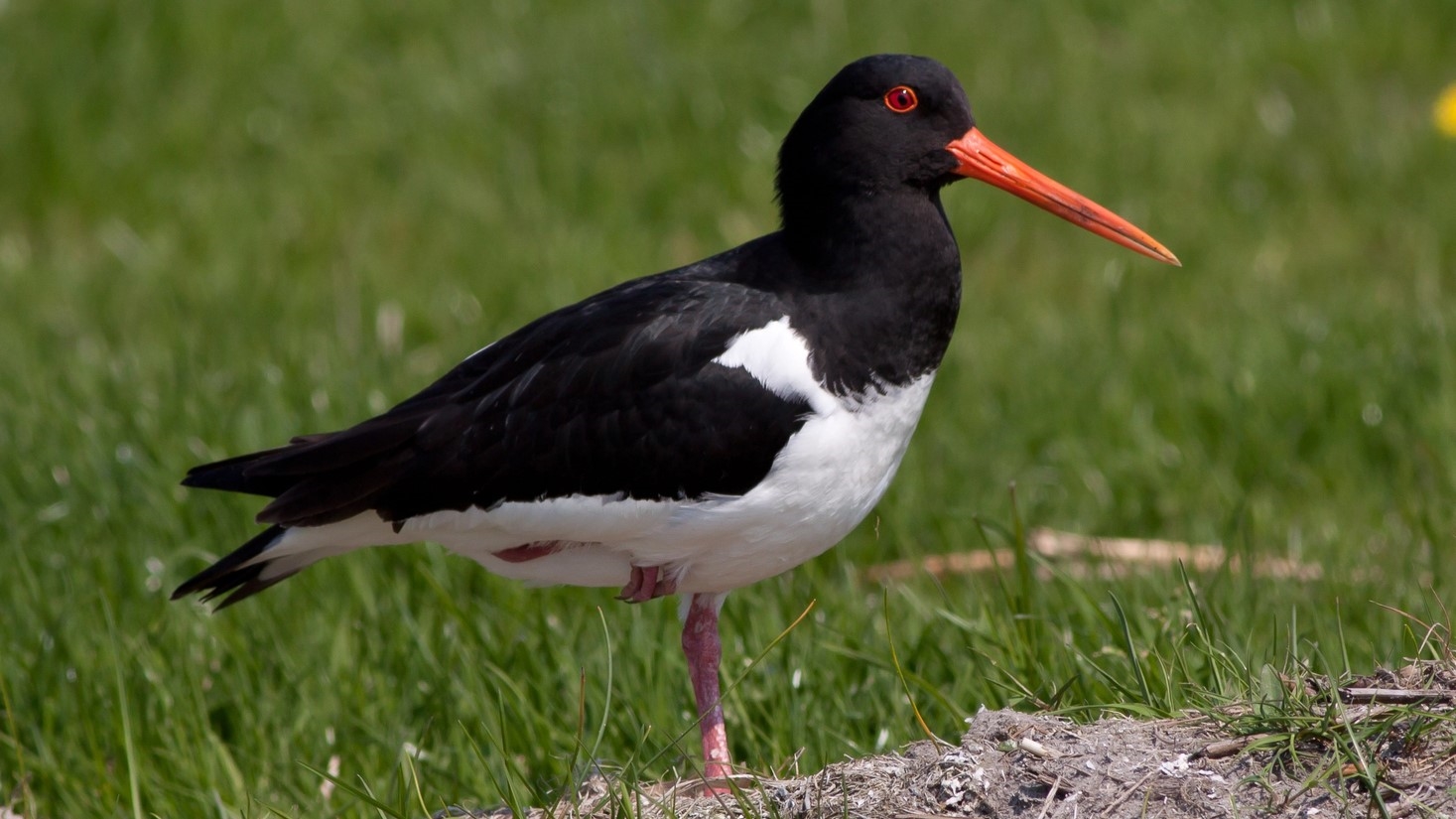
A birder in Brazil recently uploaded what appeared to be a red-winged blackbird—a species never recorded there before. The kind of sighting that makes ornithologists sit up straight. Except the image was AI-modified: an epaulet oriole with algorithmic features grafted on, creating a convincing but entirely false vagrant record, according to The Guardian. This isn’t a glitch. It’s a preview of what happens when generative AI meets the crowdsourced databases that modern birdwatching—and serious conservation science—depend on. Cities aren’t alone in facing this kind of disruption; San José has a flock problem of its own that illustrates how wildlife tech challenges are multiplying.
The Data Is Load-Bearing
Citizen-science platforms power everything from species ID apps to eclipse research, and they assume the observations are real.
Platforms like eBird, iNaturalist, and the Macaulay Library collect millions of bird photos, sound recordings, and checklists from amateur and professional observers. That data trains the machine learning models behind apps like Merlin, which can identify over 6,000 species by sound alone. It also underpins real science: a 2024 solar eclipse study combined more than 10,000 citizen observations with roughly 100,000 bird vocalizations to show that over half of wild bird species shifted their biological rhythms during totality. Remove the trust in that data, and the whole structure wobbles like a Jenga tower missing its base.
Here’s what’s already documented:
- iNaturalist has flagged roughly 1,400 AI-manipulated images out of 610 million uploads—a tiny fraction, but experts say detection lags far behind production
- A Nature letter from Cornell and Manchester Metropolitan University scientists warns databases “may be compromised if appreciably contaminated by media produced by generative text-to-image models”
- AI edits meant to “remove a branch” can inadvertently splice in traits from other species, producing plausible but false records
- Flagged content gets downgraded to “casual grade” and removed from research datasets—but the line between enhancement and fabrication keeps blurring
“My experience of looking at Facebook these days is that a huge volume of wildlife photos now are simply AI-generated imagery,” says Dr. Alexander Lees of Manchester Metropolitan University, noting that using them to understand species distribution “is quite challenging.”
The Snake Eating Its Own Tail
Google’s $1.5 million grant to iNaturalist and a dangerous feedback loop that could turn birding AI into a funhouse mirror.
The real danger is recursive. When synthetic content leaks into training data, future models learn from their own distortions. Think of it as the AI equivalent of Habsburg inbreeding—each generation inheriting the previous one’s errors until the results stop resembling anything real. If Merlin trains on contaminated records, it could start suggesting impossible species, prompting well-meaning birders to log false sightings that feed right back into the pool. iNaturalist’s $1.5 million Google grant to explore generative AI text summaries has sharpened community anxiety: a chatbot confidently summarizing identification tips from a database already containing incorrect comments is a new error vector at scale.
Studies already show AI-assisted birding boosts data volume but reduces learning gains—you log more species, remember fewer distinguishing features. The tools keep getting sharper. Whether the humans behind them are keeping pace is the question worth watching.