Netflix streams smoothly because massive data centers process terabytes in milliseconds, yet these same facilities increasingly power government surveillance networks that civil liberties advocates warn operate like a “digital panopticon.”
Industry Frames Infrastructure as Neutral Technology
Data center companies emphasize efficiency and security while downplaying surveillance capabilities.
Data center giants market their facilities as neutral infrastructure for cloud computing, AI workloads, and distributed networks. Companies like Cisco frame modern data centers around scalable networking and AI-powered operations, while security vendors like IntelliSee tout real-time computer vision for perimeter monitoring that processes data on-premises without biometric identification systems.
This messaging presents data centers as general-purpose digital infrastructure serving connectivity and resilience needs. The industry narrative focuses on energy efficiency, operational flexibility, and business continuity rather than the surveillance app capabilities these same systems enable.
Government Fusion Networks Leverage This Infrastructure
DHS-backed data sharing systems combine state, regional, and local police information for enforcement operations.
Behind the corporate messaging lies a different reality. According to a S.T.O.P. report, DHS-backed fusion centers create deportation networks by combining state and regional data-sharing systems with local police databases. These operations illustrate how surveillance gets operationalized through institutional data networks rather than through data centers alone, but the infrastructure makes it possible.
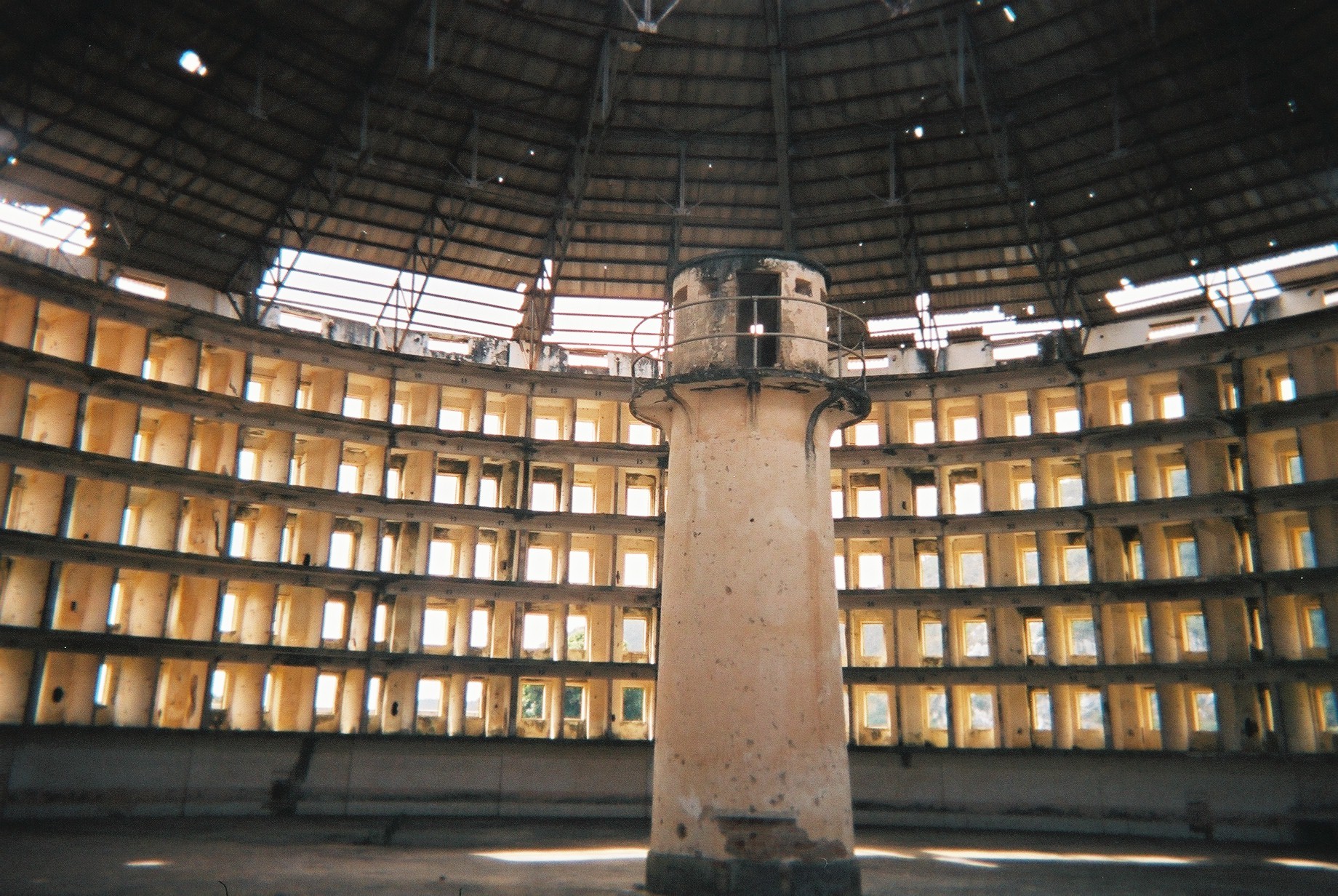
Northwestern Law Review describes this ecosystem as a “digital panopticon” enabling involuntary collection and analysis of information, particularly in carceral settings. The same AI-capable infrastructure that powers your Netflix recommendations can process immigration status data and criminal records for enforcement agencies.
The Gap Between Marketing and Reality
Neutral infrastructure becomes surveillance infrastructure without explicit design changes.
You don’t need purpose-built spy facilities when general-purpose infrastructure handles surveillance workloads alongside legitimate business operations. Modern data centers supporting everything from social media platforms to government contracts create plausible deniability—the facilities aren’t “surveillance systems” even when they enable mass monitoring.
This infrastructure gap explains why tech companies can honestly claim their data centers serve diverse purposes while privacy advocates rightfully worry about surveillance capabilities. Like a highway system that moves both ambulances and police cars, the same digital infrastructure serves multiple masters.
Data centers aren’t inherently evil, but they’re the backbone enabling surveillance systems that operate with minimal oversight. The question isn’t whether these facilities support surveillance—it’s whether you’re comfortable with how seamlessly they blend legitimate cloud services with government data operations that include tracking users.