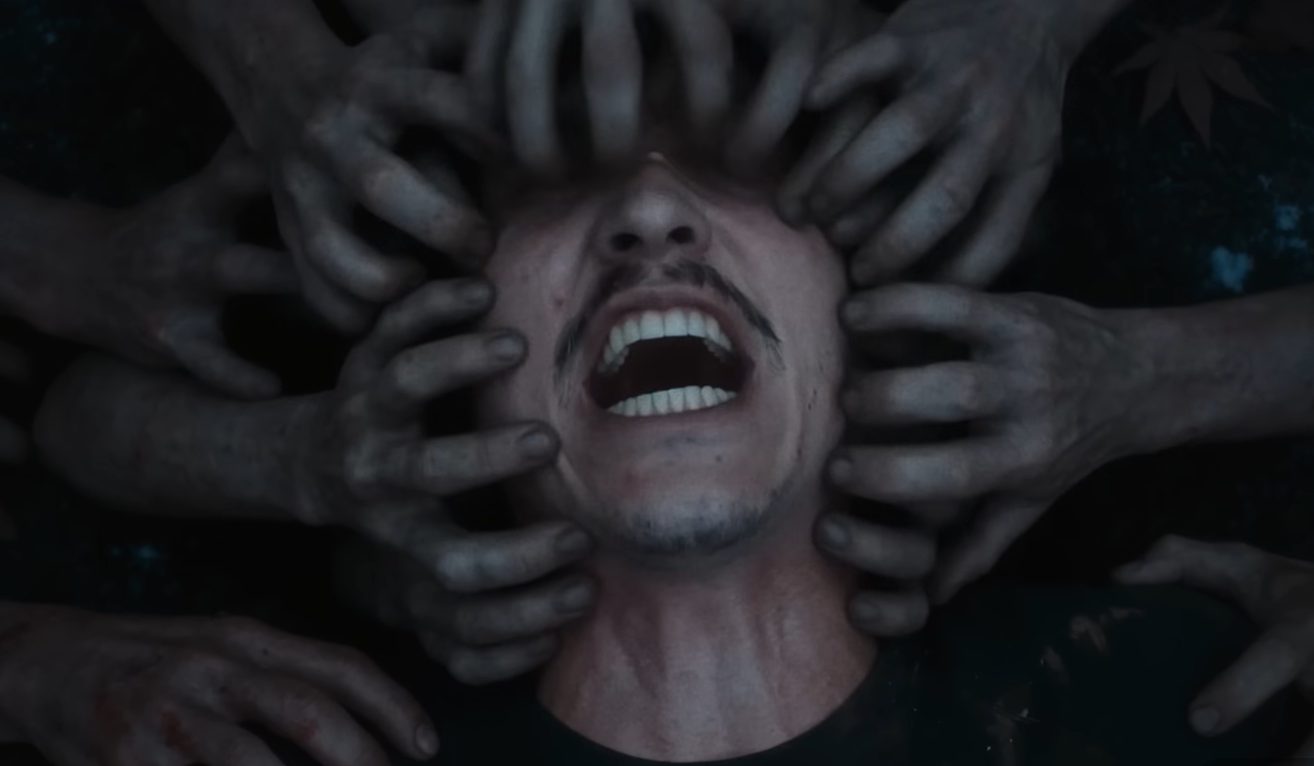
“Hell Grind,” an AI-generated project premiering at Cannes, just flipped filmmaking economics on its head. The production reportedly cost $500,000 total—with a staggering $400,000 spent purely on compute. That’s like buying a Ferrari and spending four times more on premium gas than the car itself.
Every character, set piece, and explosion you’ll see was conjured by artificial intelligence rather than filmed on location with cameras. This isn’t your typical indie passion project. It’s a calculated demonstration by Higgsfield AI, the San Francisco startup behind the technical wizardry, showing studios that AI-generated cinema is finally possible.
The Prompt Engineering Nightmare
Creating coherent AI cinema required massive instructions and tens of thousands of failed attempts.
Making an AI movie sounds simple until you dig into Higgsfield’s workflow. Each video clip reportedly needed prompts averaging 3,000 words—longer than most college essays. These weren’t casual requests like “make a car chase.” The prompts allegedly included detailed physics clauses and lighting specifications to prevent that telltale AI aesthetic.
Industry reports suggest the team generated over 16,000 video clips for the opening portion alone, then culled them down to just a few hundred usable shots. Most attempts got trashed for tiny imperfections—an eye twitching wrong, a jaw clenching oddly, or physics that looked like a fever dream. The production timeline sounds impressive until you realize those weeks were spent babysitting AI models that fail more often than they succeed.
Higgsfield reportedly orchestrated multiple AI-powered models through specialized cloud providers designed for AI workloads rather than traditional hosting.
When Compute Costs More Than Everything Else
The massive GPU bill reveals AI filmmaking’s hidden expense structure compared to traditional productions.
Traditional mid-budget films with similar visual ambitions easily hit $50-60 million. Industry insiders suggest AI-assisted workflows might trim that to roughly $25 million by eliminating location shoots, elaborate sets, and some VFX work. But “Hell Grind” represents something different—pure AI generation that shifts costs from crews and equipment to raw computational power.
The massive GPU bill stems from the iterative nature of current AI video tools. High-resolution generations aren’t cheap, and when you need tens of thousands of attempts to get feature-quality footage, those costs compound fast. The technology promises to democratize filmmaking for creators who can’t afford traditional production costs, though it requires powerful AI chips to function effectively.
The question remains whether audiences will embrace AI-generated features or dismiss them as expensive tech demos. For now, “Hell Grind” functions more as Higgsfield’s business card to Hollywood than a traditional theatrical bet, testing whether the industry is ready for compute-heavy production workflows.