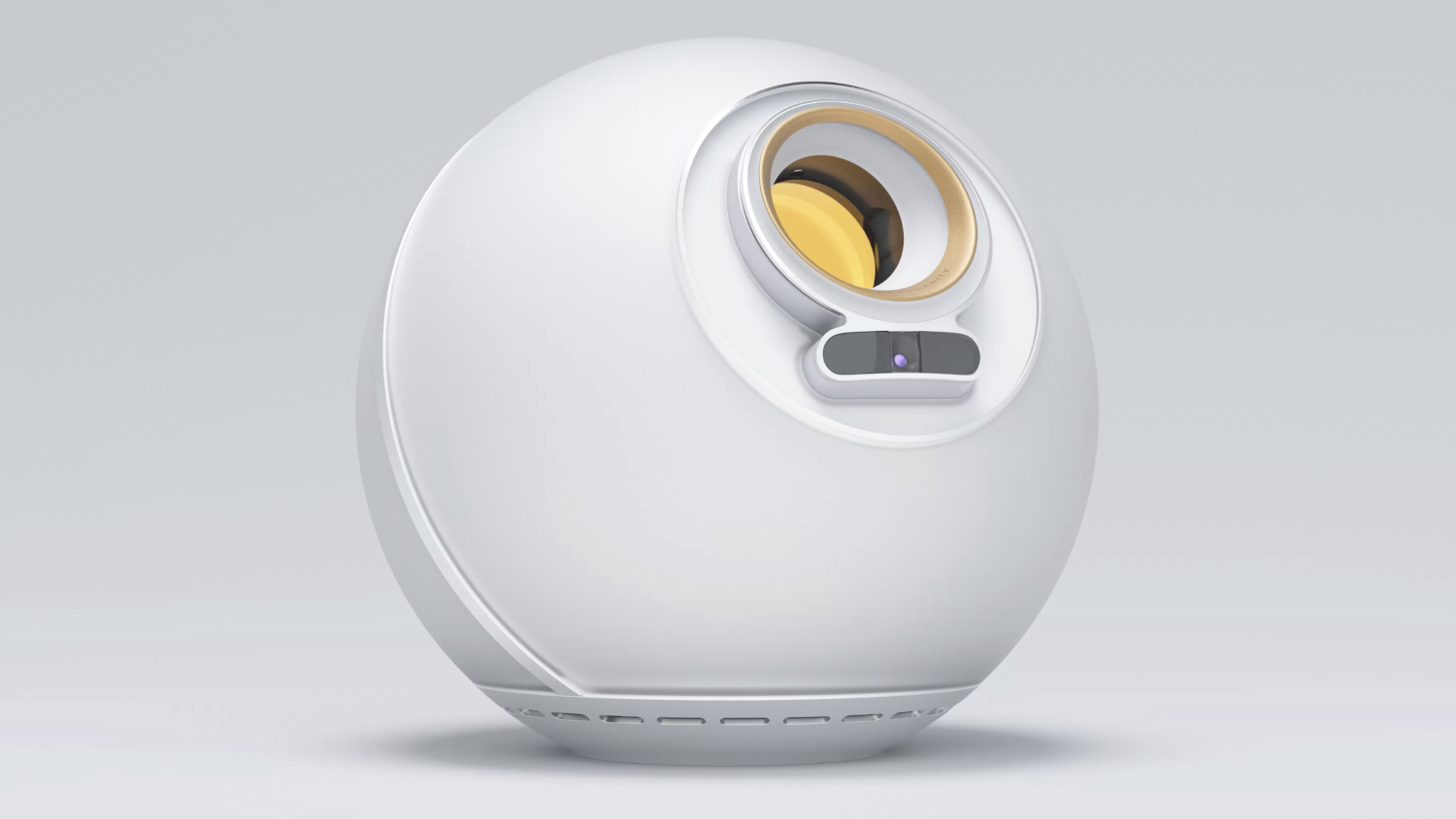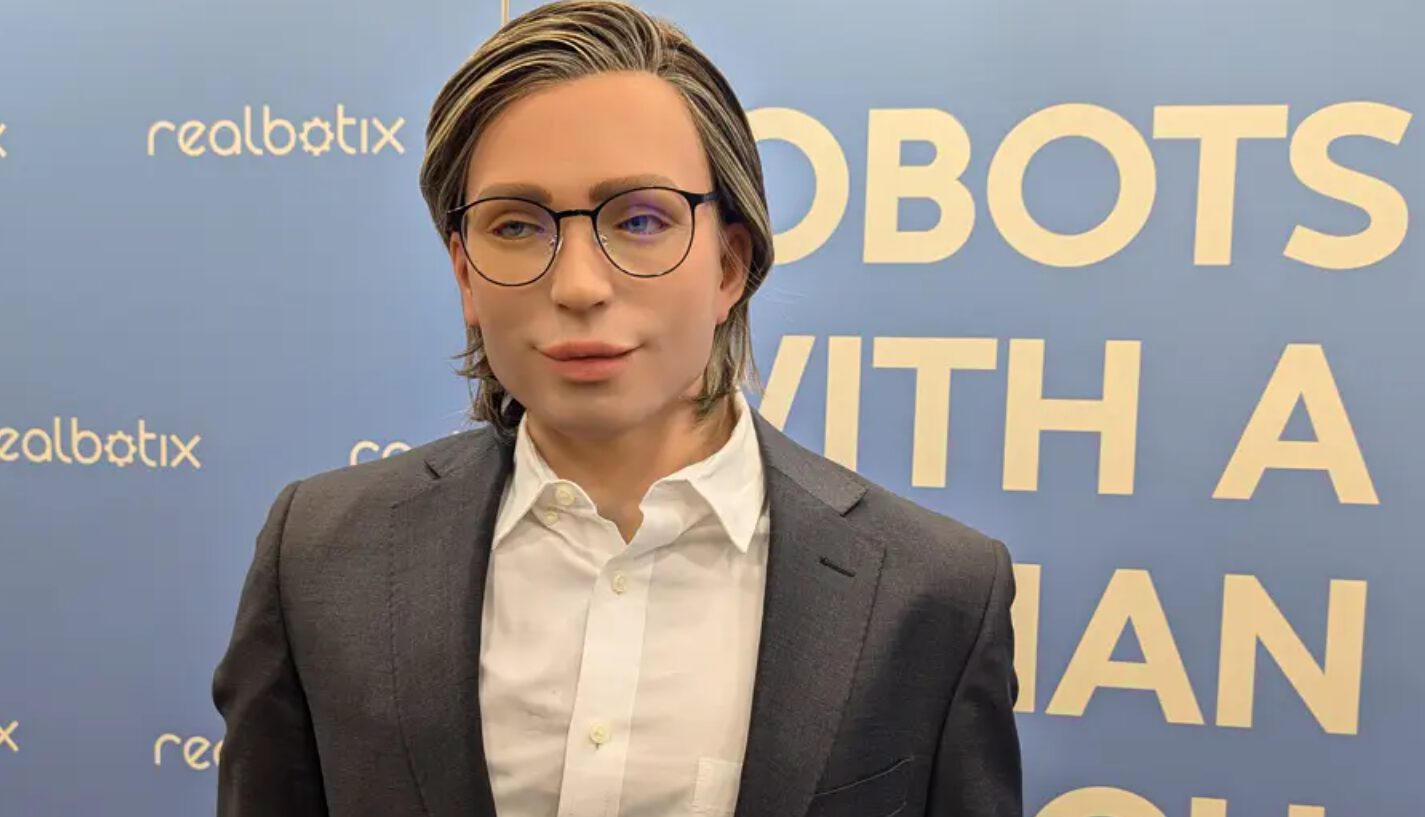
Customer service robots usually feel like talking to a particularly stubborn GPS unit. Dead stares, scripted responses, zero emotional intelligence. Realbotix Corp. just changed that equation with Vinci, an AI vision system that makes humanoid robots actually look you in the eye—and remember how you felt about it.
In-Eye Cameras Create Natural Interaction
Embedded cameras enable eye contact while tracking emotional cues and conversation history.
The Las Vegas-based company delivered its first Vinci-equipped humanoid robot to telecommunications giant Ericsson on April 8, 2026, marking enterprise adoption of emotionally aware robotics. Vinci uses in-eye cameras for natural eye contact while recognizing returning users and recalling past conversations contextually.
Think less “Please hold while I transfer you” and more “I remember you mentioned network issues last month—how’s that working now?” The system detects motion, identifies objects and colors, and interprets emotional cues for dynamic responses. Your frustrated sigh actually registers as data the robot can act on.
Enterprise Data Gets Personal
Multi-layer analytics track user identity, behavior, and emotional signals over time.
Vinci collects:
- Behavioral tracking
- Emotional signals
- Engagement analytics across interactions
This creates detailed reporting for customer engagement optimization, employee training scenarios, and clinical trial applications.
“The launch of Vinci with our customer, Ericsson, marks an important step forward in bringing visually aware humanoid robots into real-world enterprise settings,” according to Realbotix CEO Andrew Kiguel. Your call center experience might soon involve robots that know whether you’re having a bad day before you say a word.
Production Scales Beyond Proof of Concept
Nineteen additional robots planned for delivery through May 2026 across industries.
Realbotix (TSX-V: XBOT) plans deliveries of 19 more Vinci-equipped robots between March and May 2026, suggesting enterprise demand beyond telecommunications. The modular system integrates into any Realbotix humanoid model, shifting interactions from scripted automation to personalized, situationally aware conversations.
This technology transforms workplace automation from following flowcharts to reading the room. Your next customer service call might involve more genuine empathy than your last interaction with an actual human representative—which says something about both technological progress and modern customer service training.