Federal agents seize your iPhone during a raid, but can’t crack it for weeks because of one security toggle most people don’t even know exists. That scenario just played out in federal court, providing the first documented proof that digital privacy can stonewall even the FBI’s most sophisticated forensic tools through Apple’s Lockdown Mode.
When the FBI Met Its Match
Court records show federal forensic experts couldn’t extract data from a reporter’s iPhone for over two weeks.
In January 2026, FBI agents raided Washington Post reporter Hannah Natanson’s home as part of a classified information leak investigation. They seized an iPhone 13 that was “powered on and charging”—typically ideal conditions for forensic extraction. But the device displayed “Lockdown” mode.
According to court filings from January 30, “Because the iPhone was in Lockdown mode, CART could not extract that device.”
CART—the FBI’s Computer Analysis Response Team—represents federal law enforcement’s digital forensics A-team. These aren’t your local police department’s tech guys struggling with a basic password. Yet this specialized unit couldn’t crack a consumer security feature that takes three taps to enable.
The Security Toggle That Changes Everything
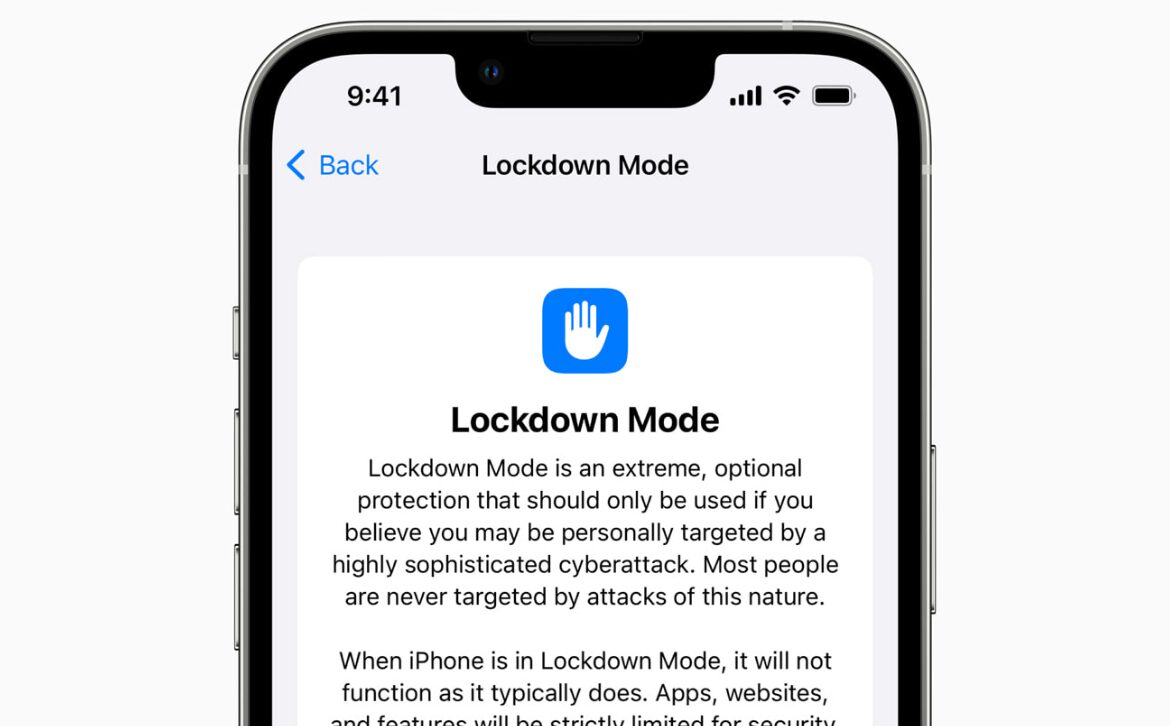
Lockdown Mode transforms your iPhone into a digital fortress by eliminating attack pathways.
Apple’s introduced Lockdown Mode in 2022 as protection against “extremely rare and highly sophisticated cyber attacks”—basically government-grade spyware. When enabled, it:
- Blocks most message attachments
- Disables link previews
- Requires device unlock before any accessory connections
- Restricts advanced web features
That last restriction proves crucial for forensic tools like Graykey and Cellebrite, which law enforcement agencies rely on to extract data from seized devices. These tools fundamentally depend on connecting to devices and exploiting software vulnerabilities—exactly what Lockdown Mode prevents.
Andrew Garrett, CEO of digital forensics firm Garrett Discovery, confirms that “many advanced forensic techniques and law enforcement tools rely on vulnerabilities that Lockdown Mode explicitly blocks or limits.”
The New Reality of Digital Privacy
This case validates Apple’s security architecture and shifts the privacy versus law enforcement debate.
While the FBI successfully accessed a MacBook Pro from the same raid using fingerprint unlock, the iPhone remained impenetrable. This creates a telling contrast—biometric security helped investigators in one case, while Lockdown Mode completely blocked them in another.
The Natanson case represents more than a single investigation. It’s documented evidence that consumer-grade security can effectively challenge federal forensic capabilities. For journalists, activists, and privacy-conscious users, this validates that extreme security features aren’t just marketing theater—they’re practical protection against sophisticated threats, including government surveillance.
Your iPhone’s Settings app contains a toggle more powerful than the FBI’s best extraction tools. The question isn’t whether you need that level of protection—it’s whether you can afford not to understand what’s already in your pocket.