At Guantánamo Bay, the federal government spent significant detention resources on a facility that held roughly 16 detainees on average during the most recent fiscal year reviewed, according to a Government Accountability Office review of the Trump administration’s $45 billion ICE detention expansion.
That figure is the kind of specific, documented finding that tends to get buried beneath broader political arguments. It captures something oversight bodies keep identifying in report after report: controls were missing before the money moved.
Spending Without Guardrails
Three separate watchdog reviews point to a shared problem: spending that outpaced the governance structures meant to contain it.
The GAO’s review of the ICE detention expansion identified costly missteps beyond Guantánamo Bay, including warehouse purchases and the shuttered “Alligator Alcatraz” facility. Separately, a Federal Reserve inspector general review found that headquarters renovation costs more than doubled without a price ceiling ever being established; the watchdog identified management failures but no criminal violations.
Washington Post reporting offers a third data point. The outlet reported that the Kennedy Center was financially solvent when the Trump administration took over, and that its finances subsequently deteriorated. DHS denied, in response to related oversight findings, that immigration employees lacked appropriate vetting.
The Data Access Nobody Could Verify
Reviewers examining DOGE-related federal system access found they could not confirm whether security rules had been followed.
Six federal agencies did not provide records needed to confirm that data-security safeguards were followed in connection with DOGE-related access to federal systems, according to a surveillance app-era government review. Reviewers could not establish the full extent of that access or whether applicable security rules were observed.
That inability to verify is itself a significant finding. When agencies cannot or do not produce documentation, reviewers have no basis for assessing compliance.
A Government Website That Argues With Itself
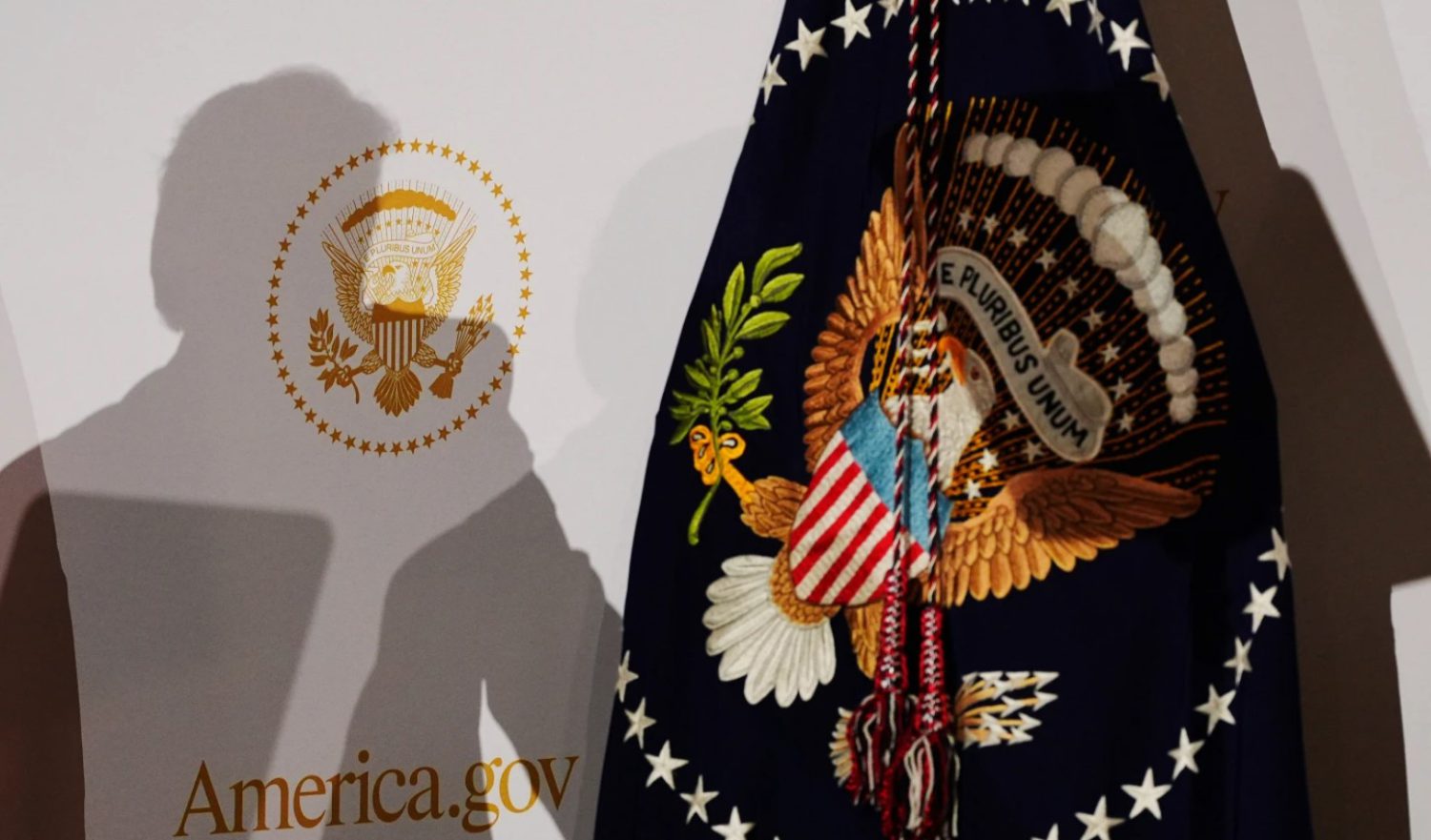
America.gov has drawn scrutiny from two directions: questions about what it adds, and questions about whether it can be trusted.
NBC News reported that the site can reproduce information already available on federal websites while sometimes providing less detail than the original sources. The Associated Press reported that some AI-generated answers appeared to contradict statements made by Trump, and the president himself acknowledged that the site could eventually be hacked, according to NBC News.
Reviewers identified those failure categories as preventable under existing quality-assurance standards, according to the oversight findings.
What Comes Next Requires More, Not Less, Oversight
The structural pattern across these reviews is consistent: they document what was absent, not what was built.
No established price ceiling. No confirmed access records. No content-governance process that catches contradictions before they reach the public.
Federal agencies are expanding AI deployment and large-scale enforcement infrastructure. The GAO and inspector general findings point directly to what independent auditing and measurable performance standards are designed to prevent.