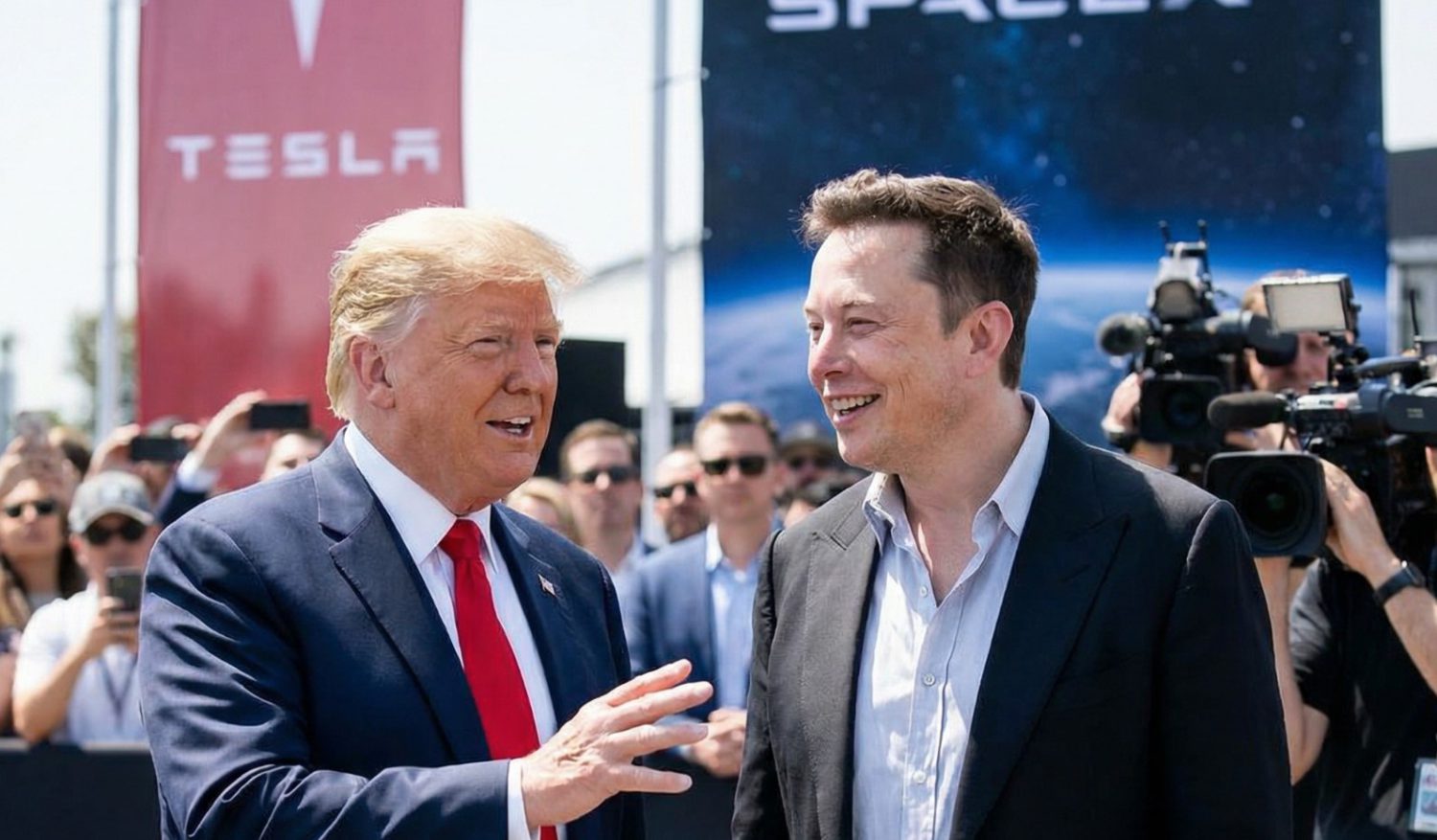
More than 1,000 stock trades in a single month documents a level of portfolio activity that goes well beyond passive investing. President Donald Trump’s latest financial disclosure, signed September 8 and reported publicly on September 22, covers transactions made throughout July 2026. Among them: a SpaceX purchase followed by a SpaceX sale seven days later, in a company that holds significant federal contracts and is run by a former Trump adviser.
What the Disclosure Actually Shows
Federal disclosure rules require officials to report transactions within value bands rather than exact dollar amounts, so the figures below are reported ranges, not confirmed prices.
Per Reuters and CNBC reporting on the filing, the key July transactions include:
- July 10: SpaceX purchase valued between $15,001 and $50,000
- July 17: SpaceX sale valued between $1,001 and $15,000
- July 20: Microsoft sale and Amazon sale, each valued between $5 million and $25 million
- July 23: Microsoft purchase between $100,001 and $250,000; Amazon purchase between $1,001 and $15,000
A Guardian analysis estimated the aggregate value of Trump’s July purchases and sales at between $79 million and $270 million, per LiveMint reporting on the filing. That wide range reflects the band-based reporting structure. Because exact execution prices are not disclosed, the filing does not confirm whether the SpaceX shares sold on July 17 were the same shares purchased on July 10, or whether either transaction resulted in a gain or loss.
CNBC reported the total July trade count as more than 1,000 transactions, though counting methods across analyses differ slightly. That volume suggests a portfolio generating frequent activity, not a handful of deliberate, individually selected positions.
Why SpaceX Is the Sensitive Trade
The SpaceX transactions draw scrutiny that the Microsoft and Amazon trades largely do not, because of the company’s direct relationship with the federal government.
Most of the dollar volume in the July filing involves Microsoft and Amazon. SpaceX presents a different set of concerns. Reuters described the transactions as involving “a government contractor run by Trump’s former adviser Elon Musk.” SpaceX receives federal contracts across defense, NASA and other agencies. Presidential decisions, from regulatory posture to contract awards, can affect the company’s business environment. A sitting president who holds stock in that company has at least a theoretical financial interest in decisions that touch it.
Trump has said that outside institutions manage his money. According to CNBC, the portfolio is structured to replicate recognized indexes such as the Schwab 1000. If accurate, that arrangement could explain the trade volume: index-replication strategies generate frequent rebalancing activity without the account holder selecting individual stocks. That arrangement does not resolve the ethics question on its own. The appearance of a conflict does not disappear simply because a third party executes the trades.
What the Law Does and Doesn’t Say
Three distinct legal concepts apply here, and conflating them produces more heat than light.
First, the Ethics in Government Act requires the disclosure described above. Filing the form makes the transactions visible to the public. It is a transparency mechanism, not ethical clearance.
Second, presidents are generally exempt from 18 U.S.C. § 208, the federal criminal conflict-of-interest statute that covers many executive-branch officials. For certain cabinet officials, conduct of this kind could carry criminal exposure. The law treats the president differently, and that legal distinction is documented, though the underlying sources reviewed for this article did not include a verified primary transcript confirming exact wording from any named official.
Third, that statutory exemption is not a blanket immunity from securities law. Analysis published by Columbia Law School’s CLS Blue Sky project states that the president remains subject to duties concerning material nonpublic information derived from official duties. Insider trading can still raise separate legal questions regardless of the conflict-of-interest carve-out. No source reviewed for this article identified a formal insider-trading finding connected to the July trades. The sources reviewed for this report did not identify any authority that had concluded a violation occurred, though that finding is limited to the scope of this review.
An Open Question, Not a Closed Case
Further disclosures may help show whether July’s activity was isolated portfolio rebalancing or part of a broader pattern.
Any serious legal assessment would require evidence about who selected the trades and what information was available at the time. Whether material nonpublic information played any role remains unresolved. The disclosure makes the trades visible. What to make of them remains, for now, an open question.