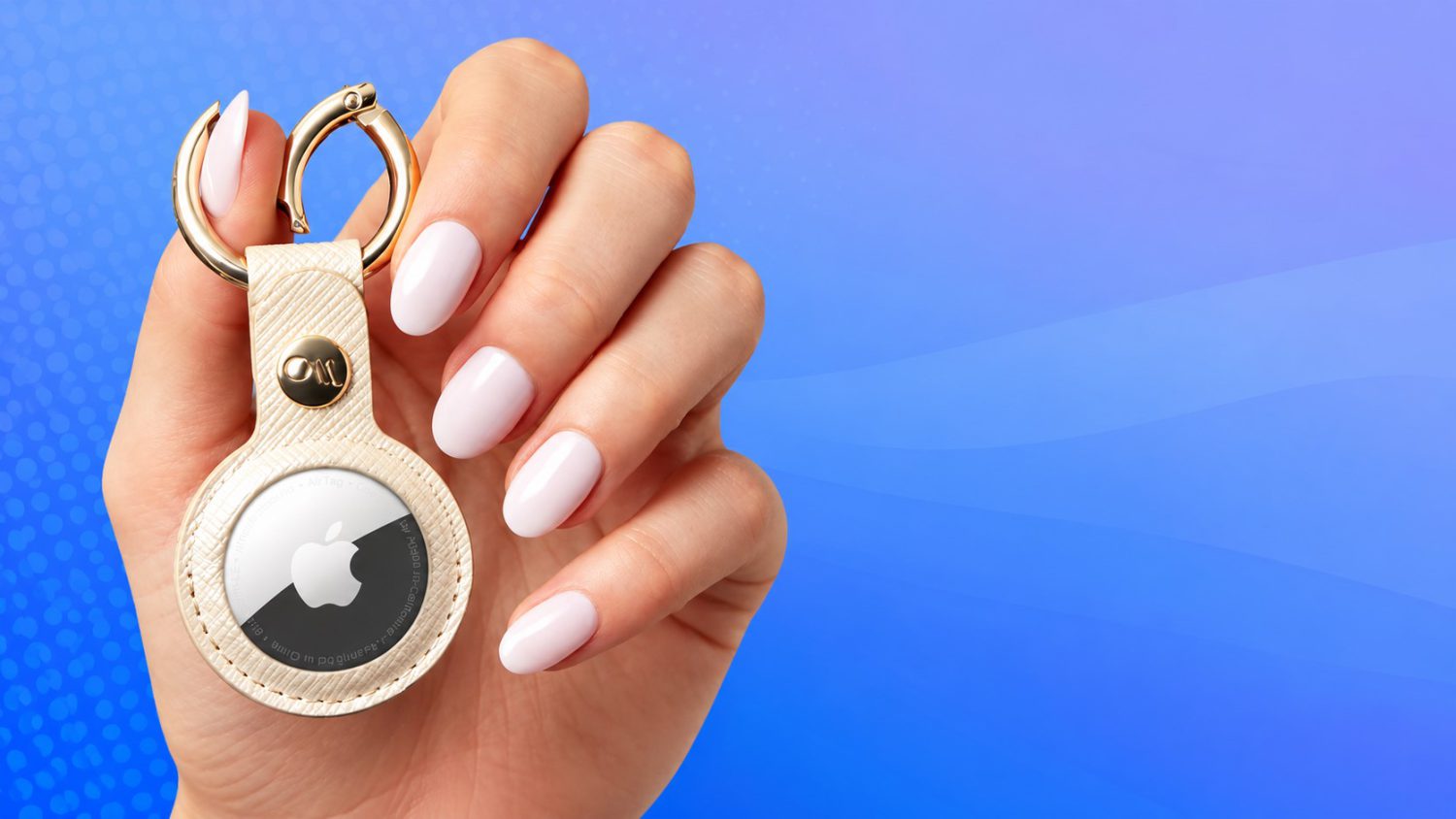
An Oregon woman alleges her former partner hid an AirTag under her vehicle and monitored her movements for an extended period. Her iPhone, according to the complaint, never alerted her that an unknown tracker was traveling with her.
Caption: Apple’s AirTag includes anti-stalking alerts, but an Oregon lawsuit alleges those protections failed to alert the plaintiff in an intimate-partner tracking case.
The plaintiff, identified in court documents as Jane Doe, filed a federal lawsuit against Apple in the U.S. District Court for the District of Oregon, seeking $75,000 in damages. Her case is part of a growing wave of individual suits filed amid and following a 2022 AirTag class action that lost class certification in March 2026.
What the Lawsuit Claims
The complaint alleges an AirTag hidden under a car, threats, and an iPhone that stayed silent.
According to local reporting on the complaint, the plaintiff’s former partner allegedly concealed the tracker beneath her vehicle and used it to monitor her location. The alleged conduct also included verbal and written threats and property damage.
The former partner was reportedly charged with stalking using a GPS device, and a restraining order was issued against him. Those allegations concern his conduct and remain legally separate from the question of whether Apple bears any responsibility.
The core claim against Apple centers on the plaintiff’s iPhone. The complaint alleges the device never notified her that an unknown AirTag was following her, despite her being an iPhone user the complaint characterizes as eligible for unwanted-tracking alerts.
The complaint also alleges that Apple’s own internal records reference more than 40,000 stalking-related AirTag reports between April 2021 and April 2024. That figure is an allegation drawn from the lawsuit, not an independently established finding.
How Apple’s System Is Supposed to Work
Built-in protections exist, but the complaint alleges none of them activated for this plaintiff.
Apple designed AirTags with several layers of detection intended to surface unwanted tracking:
- An iPhone alert notifies users when an unknown AirTag appears to be traveling with them for an extended period
- The alert lets you play a sound through the AirTag to help locate it physically
- On-screen instructions explain how to disable the device
- An AirTag separated from its registered owner can also emit an audible beep, independent of any smartphone notification
Detection is not guaranteed in every circumstance. Results can depend on factors including movement duration, Bluetooth conditions, software state, and physical concealment of the device. Readers seeking proactive protection may also consider home security systems as a complementary safeguard.
Apple and Google expanded cross-platform unwanted-tracker detection in May 2024, extending compatible alerts to Android users. The Oregon complaint centers on iPhone protections that were already in place before that expansion.
The Broader Legal Picture
A failed class action has given way to individual lawsuits, where specific device histories carry more weight.
Plaintiffs originally filed a proposed class action in 2022. A federal judge allowed the case to proceed in part in 2024, but denied class certification in March 2026. That denial did not determine whether Apple was liable; it meant only that the claims could not advance collectively.
Individual plaintiffs pursued separate suits following that ruling. That distinction matters: each case can now focus on a specific plaintiff’s device, alert history, tracking circumstances, and alleged injuries. The Oregon lawsuit is among those individual cases.
Apple has argued in related litigation that it condemns malicious tracking, has built anti-stalking protections into the product, and should not be held liable for deliberate criminal acts committed by third parties. No court has determined Apple’s liability in any of these cases. The outcomes could shape what manufacturers are legally required to provide when a built-in safety feature does not activate, a question that mirrors broader debates raised by the misuse of surveillance app technology.