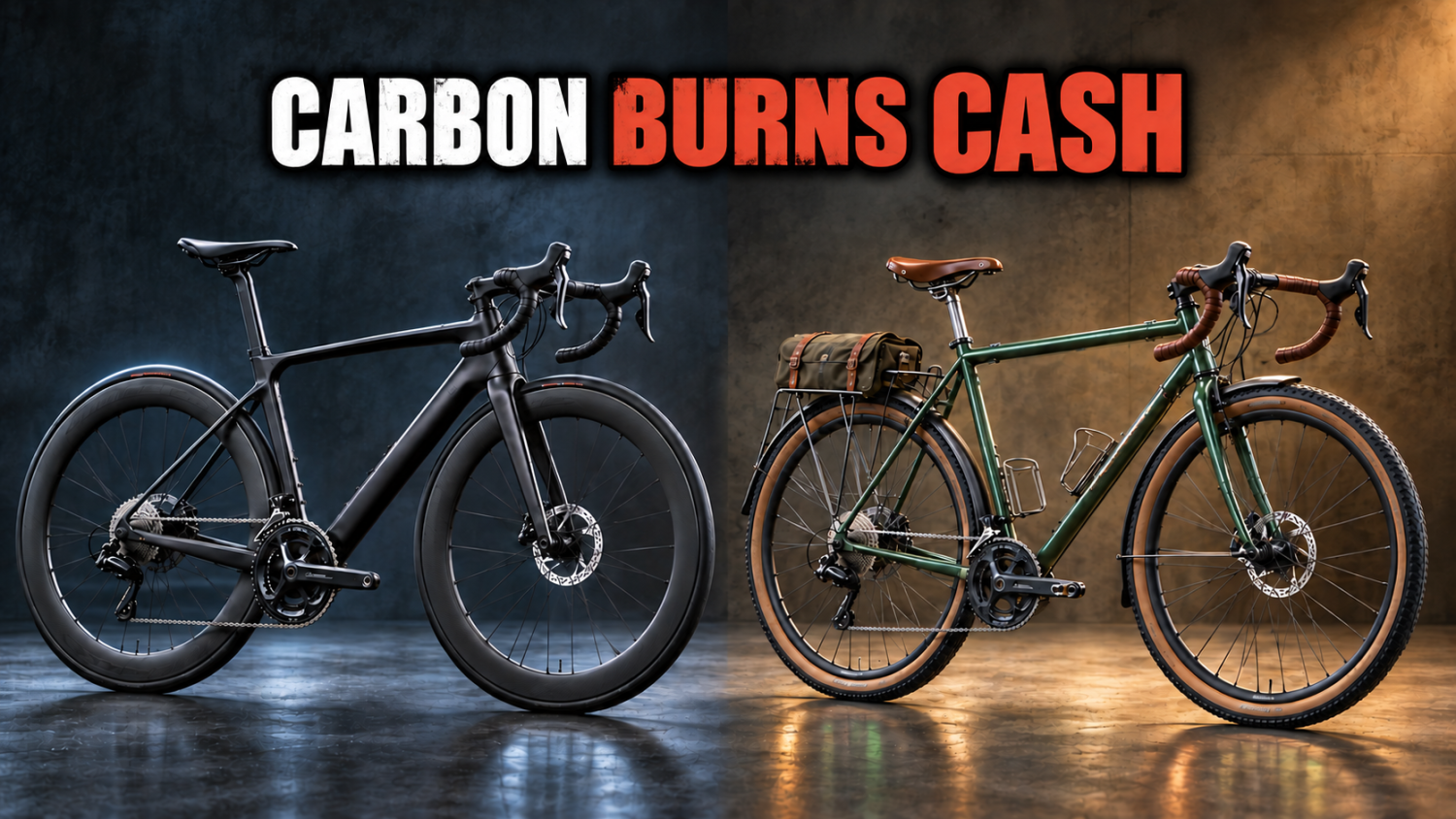
Many cyclists drop $10,000 or more on a high-end carbon bicycle, only to find its resale value evaporates faster than hype around last season’s flagship phone. The industry rarely discusses the true cost of ownership beyond initial sticker shock, especially when features like FACT carbon frames or electronic shifting accelerate obsolescence. Those cutting-edge components might promise performance, but they rarely guarantee lasting financial value. Understanding the real factors that erode a premium bike’s worth is crucial for any owner weighing an upgrade or resale.
This content may contain affiliate links. If you wish to support us and use these links to buy something, we may earn a commission.
14. Specialized S-Works Tarmac SL8
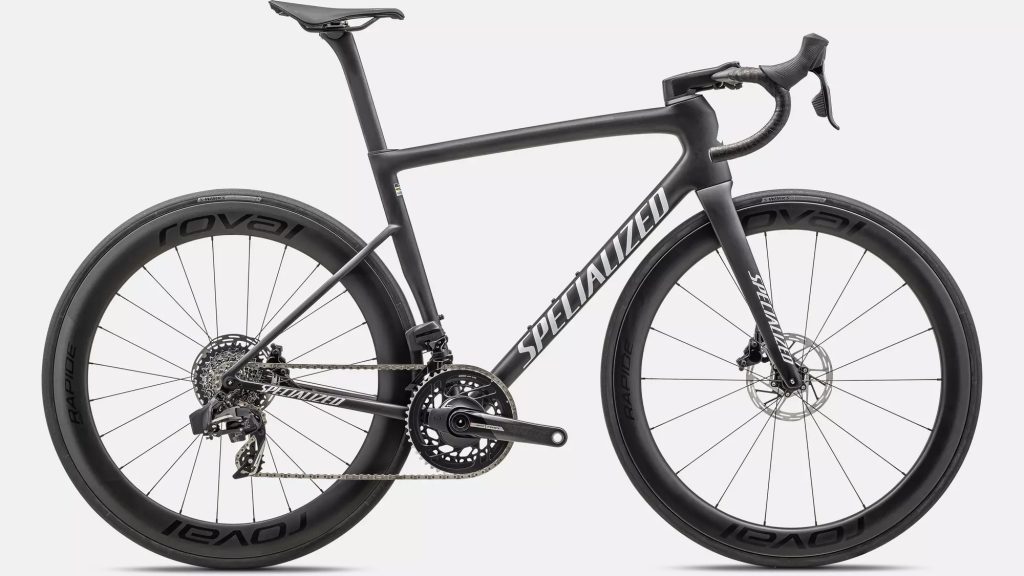
Flagship aero performance meets brutal depreciation reality.
The $12,999.99 Specialized S-Works Tarmac SL8 represents peak road racing technology with its FACT 12r carbon frame, 12x142mm thru-axles, and flat-mount disc brakes. This aerodynamic marvel delivers performance that justifies its premium positioning among WorldTour teams. Within five years, however, that same bike will likely command only $2,500 to $3,500 on the used market.
This steep decline stems from constant model-year updates that render previous generations outdated. Carbon frames carry perceived lifespan concerns that spook used buyers, while annual “revolutionary” improvements turn last year’s cutting edge into this year’s legacy hardware. The SL8 delivers undeniable speed, but its financial trajectory rivals a tech stock after earnings miss expectations.
13. Trek Madone
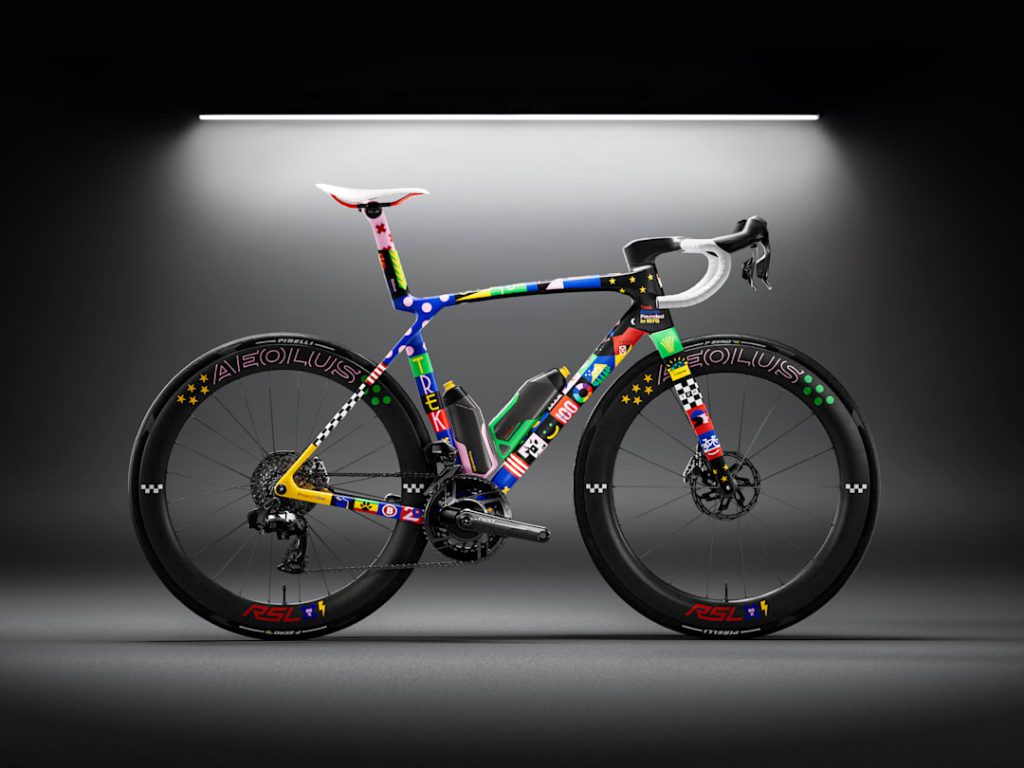
Annual refresh cycles turn premium bikes into depreciating assets.
Trek markets each Madone generation as meaningfully better than its predecessor, positioning this ultra-light, ultra-aero superbike as race-ready perfection. The platform prioritizes raw speed through advanced carbon layups and integrated cable routing, delivering performance that lives up to its WorldTour pedigree.
Yet constant innovation punishes owners financially. A current-generation Madone typically loses 20% to 30% of its value when the next iteration arrives, transforming your premium investment into yesterday’s technology. This annual refresh cycle functions like a subscription service for upgrades, where staying current requires accepting accelerated depreciation. Anyone who’s watched their “latest” purchase become obsolete within months knows this frustration intimately.
12. Cervélo S5
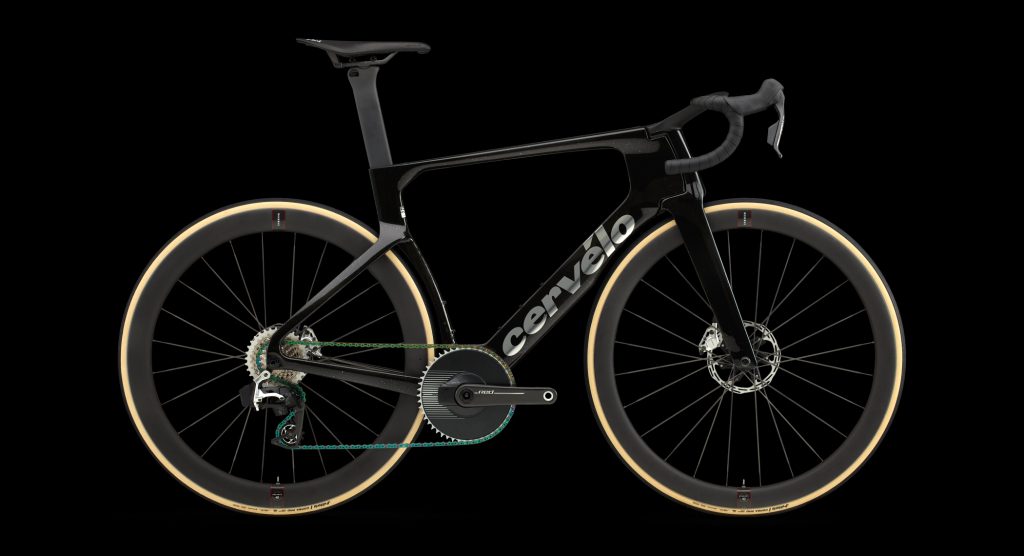
Tour de France heritage can’t protect against market realities.
Flagship road racing bikes have experienced dramatic price inflation; what cost around $3,000 in the mid-2000s now commands $10,000 to $14,000 for comparable performance. The Cervélo S5 exemplifies this trend, combining elite competition credentials with Jonas Vingegaard’s Tour de France victories to justify its premium positioning.
This racing pedigree creates a double-edged sword for resale value. Model-year updates arrive with improved aerodynamics and marginal weight savings, rapidly aging previous versions. The S5’s Tour-winning status matters less on the used market than its compatibility with current standards and components. That once-revolutionary aero frame becomes outdated faster than viral memes fade from social feeds.
11. Pinarello Dogma F
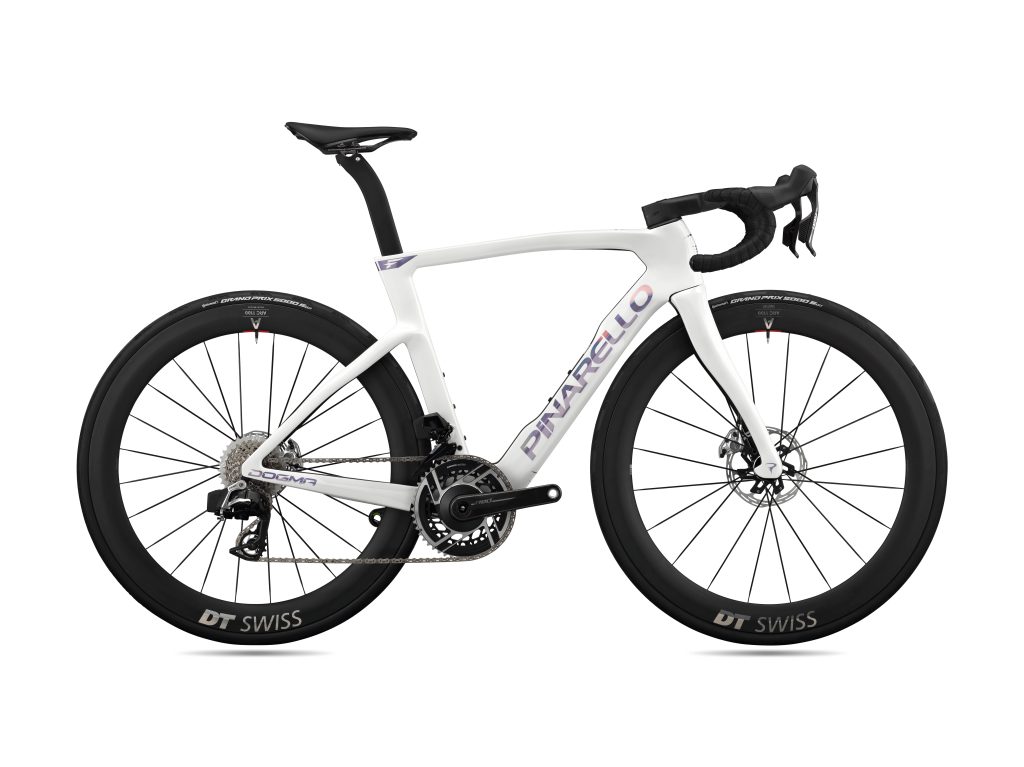
Exotic Italian engineering depreciates like consumer electronics, not art.
Luxury automobiles typically retain 40% to 50% of their value over five years, establishing reasonable depreciation expectations. High-end carbon road bikes like the Pinarello Dogma F, however, can lose substantially more value in the same timeframe, behaving more like flagship smartphones than fine timepieces.
The Dogma F represents engineering excellence and racing heritage, yet the used market delivers harsh financial realities. Unlike acoustic guitars that often appreciate or luxury cars that maintain significant residual value, this premium road bike plummets toward clearance-bin pricing. The disconnect between initial investment and eventual resale value transforms performance pursuit into an expensive lesson about bicycle market dynamics.
10. Shimano Di2
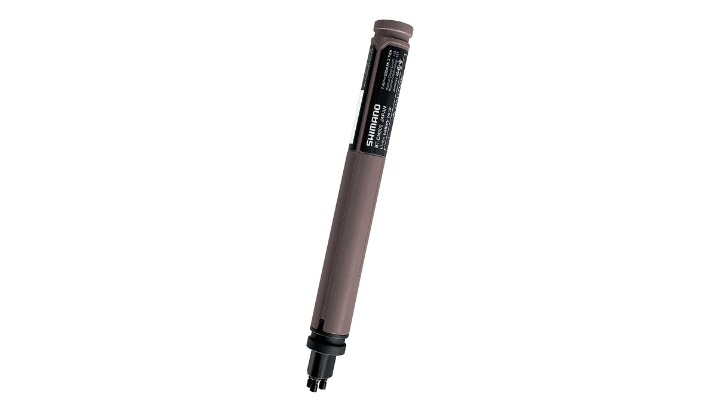
Electronic precision introduces battery-powered obsolescence.
Shimano Di2 delivers seamless shifting through electronic precision, making climbs and sprints effortless with its integrated drivetrain control. Current 12-speed systems centralize power through the lithium-ion BT-DN300 battery, coordinating front and rear derailleurs via streamlined wiring. This convenience, however, introduces shelf life concerns that mechanical systems avoid.
A 2018 road bike equipped with 11-speed Dura Ace Di2 faces mounting challenges as the system ages. Cassette options diminish, firmware updates cease, and eventual drivetrain rebuilds loom larger. Battery replacements for older Di2 systems can approach several hundred dollars when factoring in parts and labor. These accumulating costs significantly impact resale appeal, transforming cutting-edge technology into legacy burden.
9. SRAM eTap AXS
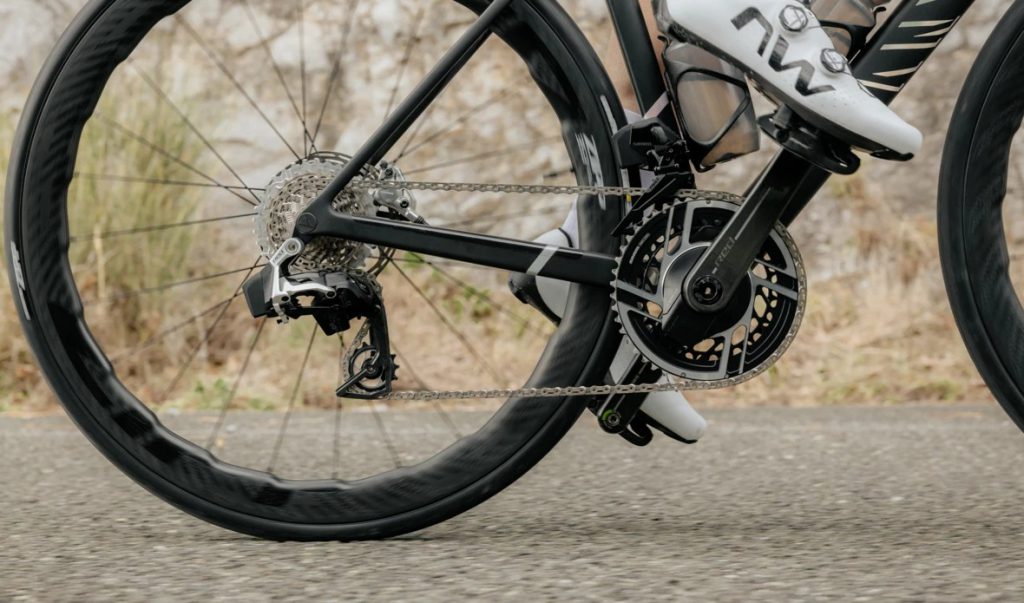
Wireless freedom comes with recurring costs and compatibility headaches.
SRAM’s eTap AXS platform uses the same compact battery across compatible derailleurs and dropper posts, delivering crisp shifts and cable-free aesthetics. The wireless architecture provides immediate response and clean integration, offering genuine performance benefits over mechanical systems. This convenience, however, mirrors subscription services with hidden ongoing expenses.
AXS battery and charger replacements can run hundreds of dollars as components age. Wireless protocols and firmware updates between generations create compatibility gaps that mechanical systems never face. A once cutting-edge AXS setup can quickly feel obsolete as SRAM releases updated hardware, impacting resale value more severely than traditional groupsets. Battery degradation compounds these issues, adding another variable that prospective buyers scrutinize.
8. Campagnolo EPS
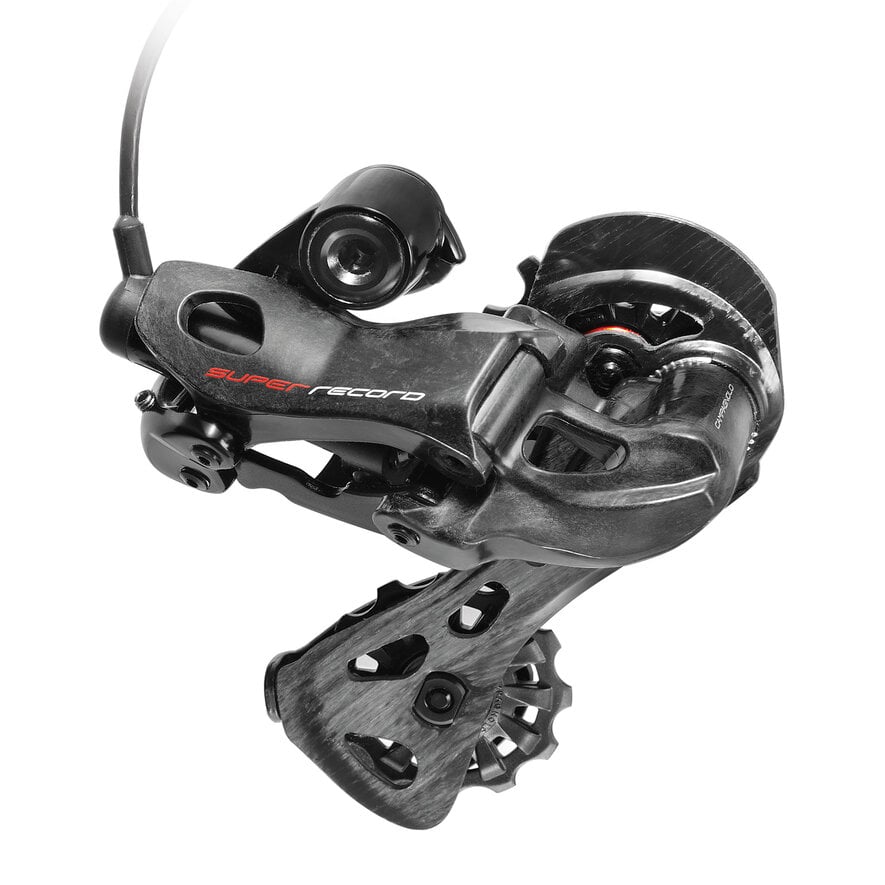
Italian electronic elegance ages on lithium-ion timelines.
Campagnolo EPS represents premium electronic shifting with crisp, precise gear changes that reward discerning riders. This performance relies on lithium-ion batteries, introducing finite lifespans similar to smartphones that eventually struggle holding charges. The system delivers exceptional shifting quality during its prime years.
Used market appeal diminishes as EPS systems age, however. Battery replacements add maintenance costs, while firmware compatibility between generations creates uncertainty. An aging electronic drivetrain, regardless of its Italian pedigree, becomes a potential liability for buyers unwilling to invest in battery service or face compatibility limitations. The digital sophistication that once commanded premium prices becomes a depreciation accelerator.
7. Disc Brake Road Bikes
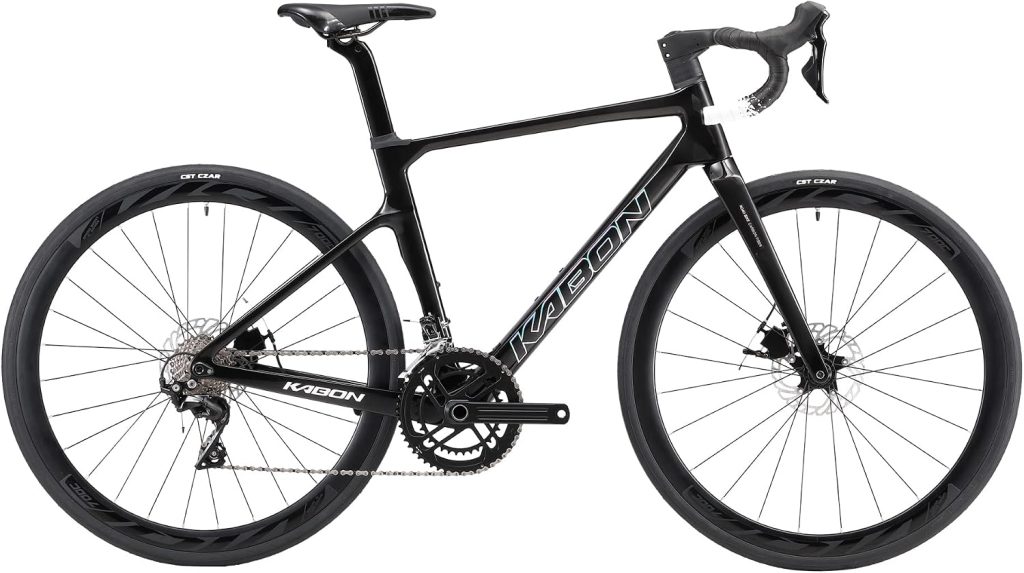
The rim-to-disc revolution turned perfectly good bikes into relics.
Between 2015 and 2022, road cycling underwent a rapid transition from rim brakes to disc systems, fundamentally reshaping the market. This wasn’t gradual evolution but revolutionary change, with UCI authorization in 2018 accelerating adoption across WorldTour teams. Modern flagship bikes now exclusively feature flat-mount disc brakes and 12x142mm through axles.
Perfectly functional rim-brake bikes lost substantial value almost overnight as the industry standardized around hydraulic stopping power. Anyone who invested in a high-end rim-brake machine before this shift watched resale values crater despite the bike’s continued performance capability. The disc brake revolution delivered genuine performance benefits while simultaneously creating compatibility divides that punished early adopters of the older standard.
6. Flat-Mount Disc Brake
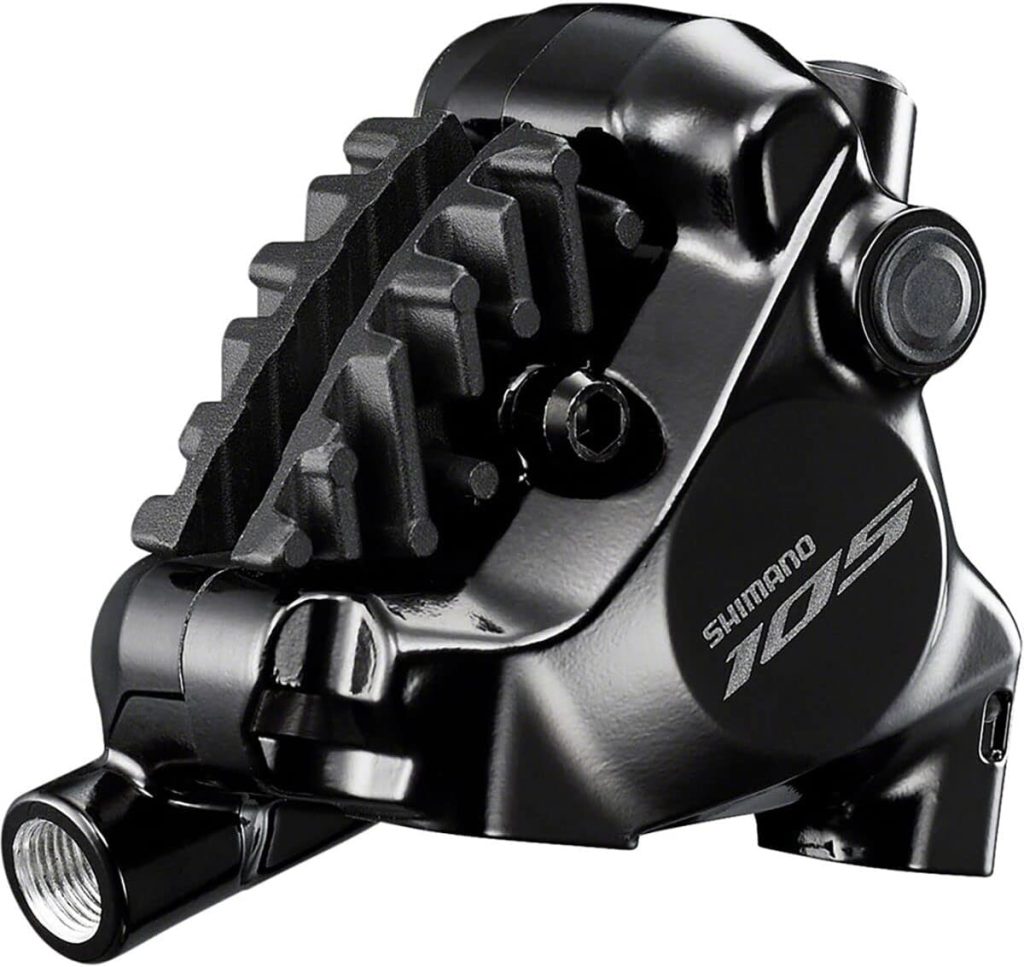
New mounting standards orphan previous-generation hardware.
The Specialized S-Works Tarmac SL8 exclusively uses flat-mount disc brakes, reflecting current road bike design priorities. This lightweight, compact standard replaced bulkier post-mount systems, offering cleaner integration and more direct braking force. The shift parallels display technology evolution, where new connectors immediately date older equipment.
Servicing older post-mount disc bikes becomes increasingly challenging as component availability shifts toward flat-mount inventory. Mechanics face limited options for replacement parts, complicating routine maintenance on bikes just five to seven years old. Flat-mount adoption on bikes like the SL8 accelerates this trend, diminishing older disc-brake bikes’ appeal as standards continue evolving.
5. Through Axle Systems
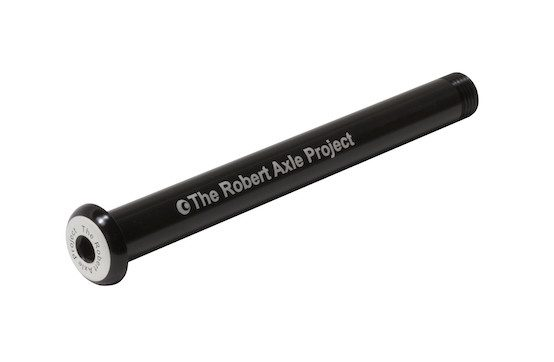
Diameter and length fragmentation complicates the simplest repairs.
Quick-release axles gave way to through-axle systems during the 2010s, but the transition lacked standardization. Various diameters and lengths created compatibility confusion before the industry settled on common specifications. The Specialized S-Works Tarmac SL8 now features 12x142mm rear through axles, representing current road bike standards after years of interim variation.
Sourcing replacement axles for 2017-era disc brake road bikes often requires matching obscure diameter and length combinations. This parts scavenger hunt complicates basic maintenance, directly impacting resale desirability. Standards churn transforms five-year-old bikes into compatibility puzzles, slashing their used-market value despite continued mechanical soundness. The industry’s pursuit of improved designs leaves previous-generation equipment stranded.
4. Rivendell Atlantis
Conservative steel design defies carbon’s depreciation curve.
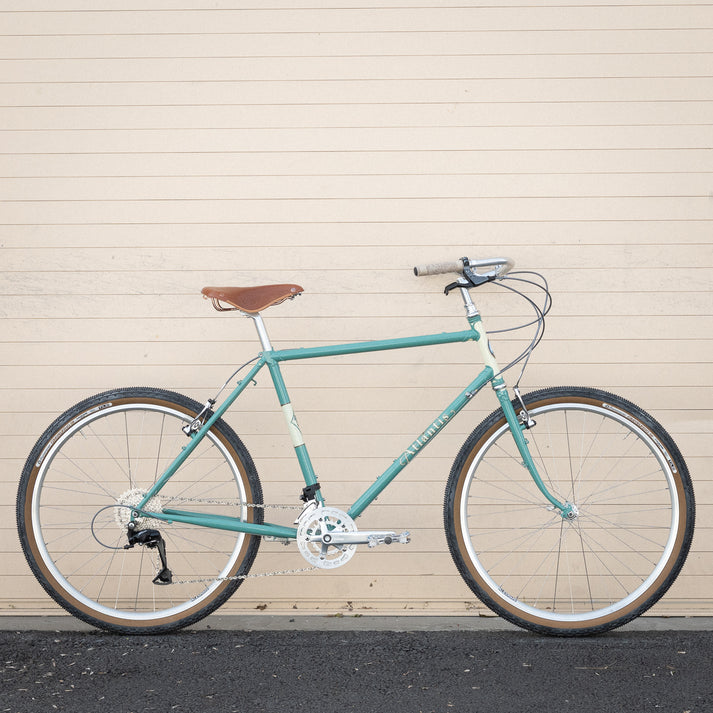
A 2015 Rivendell Atlantis can retain 50% to 70% of its original value today, contrasting sharply with carbon race bikes from the same year. This steel touring frame resists yearly model refresh cycles through deliberately conservative design philosophy. The Atlantis functions like a mechanical watch, built for longevity rather than chasing marginal performance gains.
Steel frames avoid material lifespan concerns and technological obsolescence that plague carbon race bikes. This resilience eliminates the upgrade treadmill where new standards constantly devalue existing equipment. The Atlantis appeals to riders prioritizing enduring practicality over perishable performance metrics. Its stable design maintains relevance across decades rather than model years.
3. Surly Long Haul Trucker
Utilitarian touring bikes hold value through design stability.
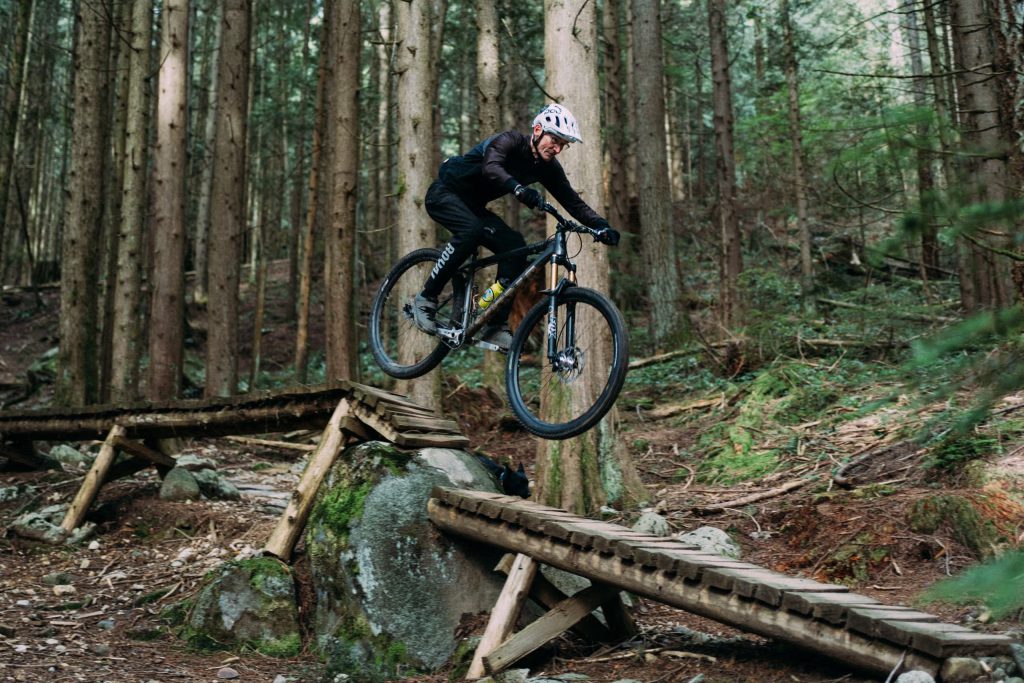
The Surly Long Haul Trucker represents durable engineering focused on practical touring use rather than racing innovation. This steel touring bike’s stable design and long service life create sustained value; 10-year-old examples regularly command respectable prices on the used market. The platform’s mature technology avoids compatibility churn affecting newer models.
Touring-focused design prioritizes reliability over marginal weight savings or aerodynamic refinements. This approach maintains desirability across years because functionality doesn’t depend on rapidly evolving performance standards. Used Long Haul Truckers retain appeal through proven durability and straightforward maintenance rather than cutting-edge features that quickly become dated. The bike embodies practical transportation over fleeting technological advances.
2. Brompton Folding Bike

Compact urban utility transcends typical depreciation patterns.
Brompton built its reputation on stable design and enduring value through its original steel folding bike platform. The compact 3-part fold delivers practical urban mobility that transcends annual model cycles. Core design elements have remained consistent for decades, resisting typical depreciation that affects bikes dependent on yearly updates.
Urban commuters value Brompton’s consistent performance and easy transport capability, characteristics that don’t diminish as newer models arrive. The platform’s maturity and proven durability maintain strong resale values years after purchase. Brompton’s approach prioritizes functional reliability over technological novelty, creating lasting market appeal independent of model year.
1. Pinion Gearbox Touring Frame
Sealed gearbox systems trade marginal performance for lasting value.
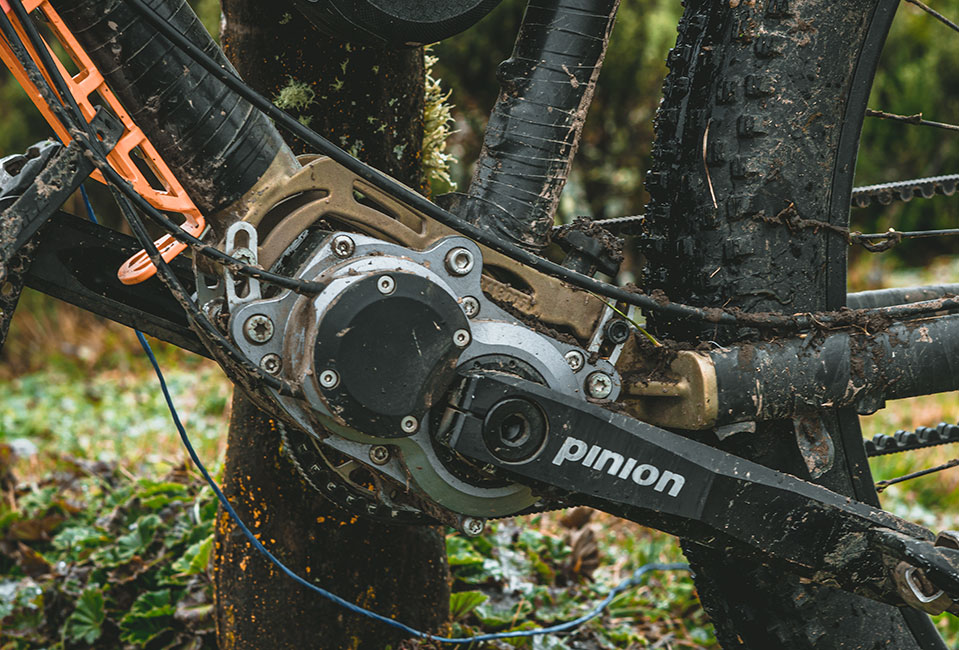
Pinion gearbox touring frames represent durability-focused design through sealed internal gearing that protects components from contamination. The system requires minimal maintenance, typically needing oil changes only every 10,000 kilometers according to Pinion service documentation. This low-maintenance approach suits rigorous touring and trekking where reliability matters more than weight savings.
Pinion’s 18-speed internal gearing delivers consistent performance without traditional derailleur wear patterns and compatibility concerns. The mature technology reduces standards churn that devalues external drivetrain systems as manufacturers release updated specifications. Adventure cyclists invest in Pinion frames for robust engineering that holds value through reduced maintenance needs and stable component availability, avoiding the depreciation cycles affecting lighter but less durable options.