More than 130,000 AI-powered license plate readers now operate on U.S. streets, according to DeFlock, an advocacy group that tracks deployments. Florida’s decision to revoke highway permits for these cameras in August 2026, combined with reported vandalism across 36 states, signals the backlash has moved well past online petitions.
A Camera That Never Forgets Where Your Car Has Been
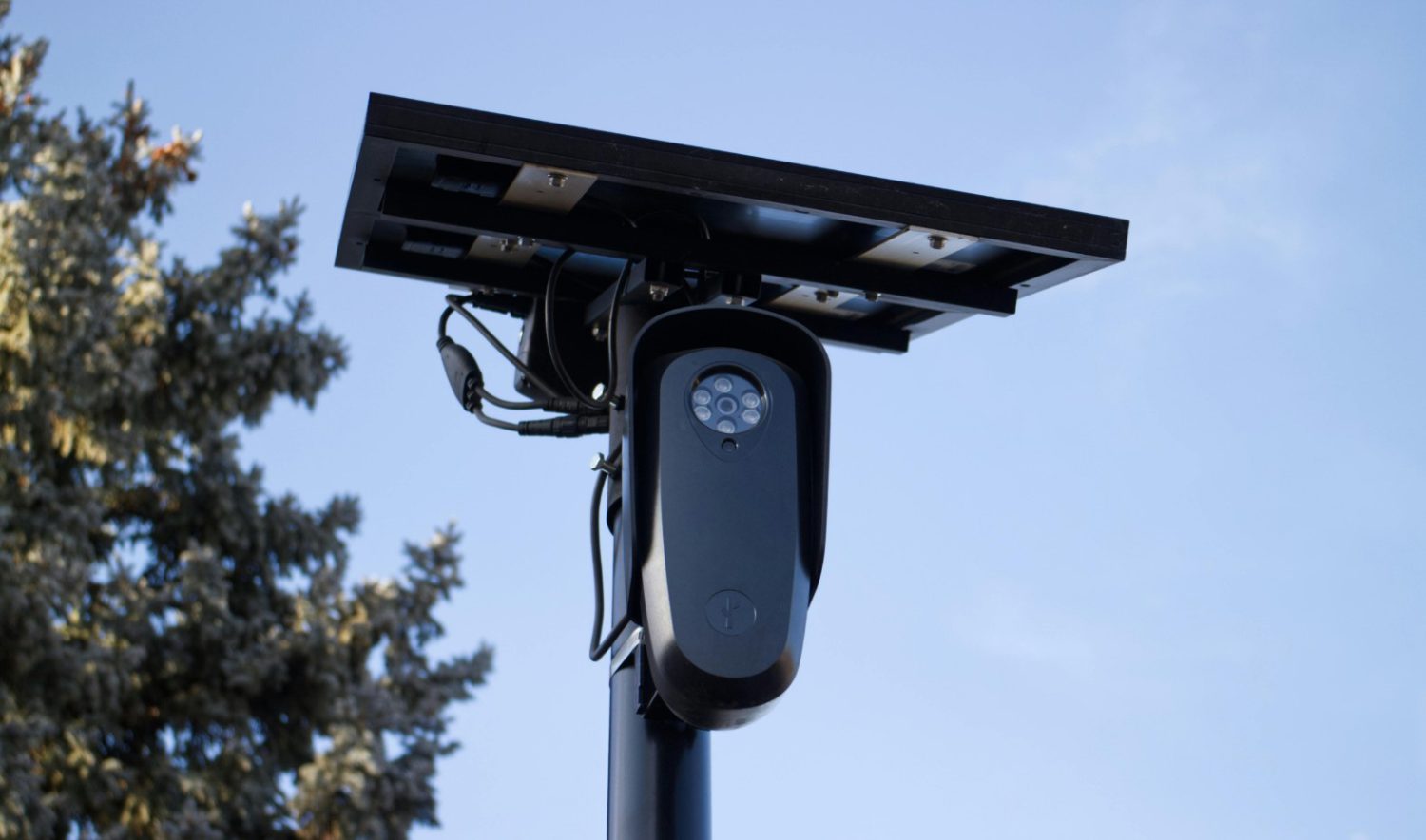
Automated license plate readers photograph passing vehicles, extract plate and vehicle data, and store timestamped location records in searchable databases used by law enforcement.
When your vehicle passes one of these devices and is successfully captured, it can generate a searchable location record tied to your plate. Flock Safety says its system helps law-enforcement investigators identify suspects and solve crimes, though those benefits remain company claims rather than independently verified findings.
Flock reports operating approximately 120,000 cameras across 49 states, working with more than 5,000 law-enforcement agencies, and processing more than 20 billion license-plate scans per month, according to company figures. DeFlock estimates more than 130,000 AI-powered readers are deployed nationwide, though that count comes from an advocacy tracking group rather than a government inventory.
The Problem Isn’t Just the Camera; It’s the Record
The deeper privacy concern is that a searchable log of vehicle sightings can reveal movement patterns and associations, even for drivers never suspected of wrongdoing.
A record of where your vehicle appeared, and when, can reveal visits to a doctor’s office, a place of worship, or a weekly routine. That is an analytical implication of how the technology works, and it sits at the center of the privacy objection.
The concern became concrete in Florida, where former Orange City Police Officer Jarmarus Brown allegedly used an ALPR system to track an ex-girlfriend. Brown later pleaded no contest to unauthorized computer use and stalking charges, according to reporting by the Daytona Beach News-Journal.
Florida’s Department of Transportation cited “concerning reports of misuse, data privacy concerns, and surveillance schemes” in the memorandum revoking permits for cameras installed within state highway rights of way, as reported by Florida news outlets. The FDOT action applied specifically to state highway rights of way; cameras on county roads, municipal property, or private land remained subject to separate decisions.
From City Council Meetings to Wire Cutters
The backlash against license plate readers has taken two distinct forms: institutional action through contract cancellations and permit revocations, and direct physical interference with the cameras themselves.
Institutional opposition produced contract cancellations or deactivations by more than 50 cities and counties in 2026, according to Good Morning America. That figure covers ALPR cameras broadly, not Flock systems exclusively.
Direct action has been messier. NPR’s review of local news reports found Flock cameras vandalized, disabled, or removed in at least 36 states.
The pattern carries echoes of the colonial dynamic that produced the Boston Tea Party, where formal objections eventually gave way to property destruction. That comparison is an analogy, not an equivalence. Colonial resistance targeted an imperial political system, while ALPR opposition targets privately manufactured technology that local and state agencies have chosen to adopt. Physically disabling a camera may also constitute a criminal offense, and it tends to redirect public attention away from the accountability questions that democratic oversight could actually resolve.
Flock Says Regulate It, Not Ban It
The company’s position frames stricter safeguards, not elimination, as the appropriate policy response to documented misuse.
Flock’s reported argument is that the technology should be governed rather than removed, drawing a comparison to automobile safety: governments responded to fatal crashes with seat belts and airbags rather than car bans. That argument has not been independently verified against a canonical primary source, and no direct quotation from the company is used here.
The real policy dispute is now focused on access and oversight, not existence. The open questions are who may search the records, how long data is retained, whether a documented investigative reason is required before a search, and what remedies exist after misuse.
When your vehicle moves through a corridor covered by these cameras and is captured, it generates a data point held under rules that most jurisdictions have not yet fully written.