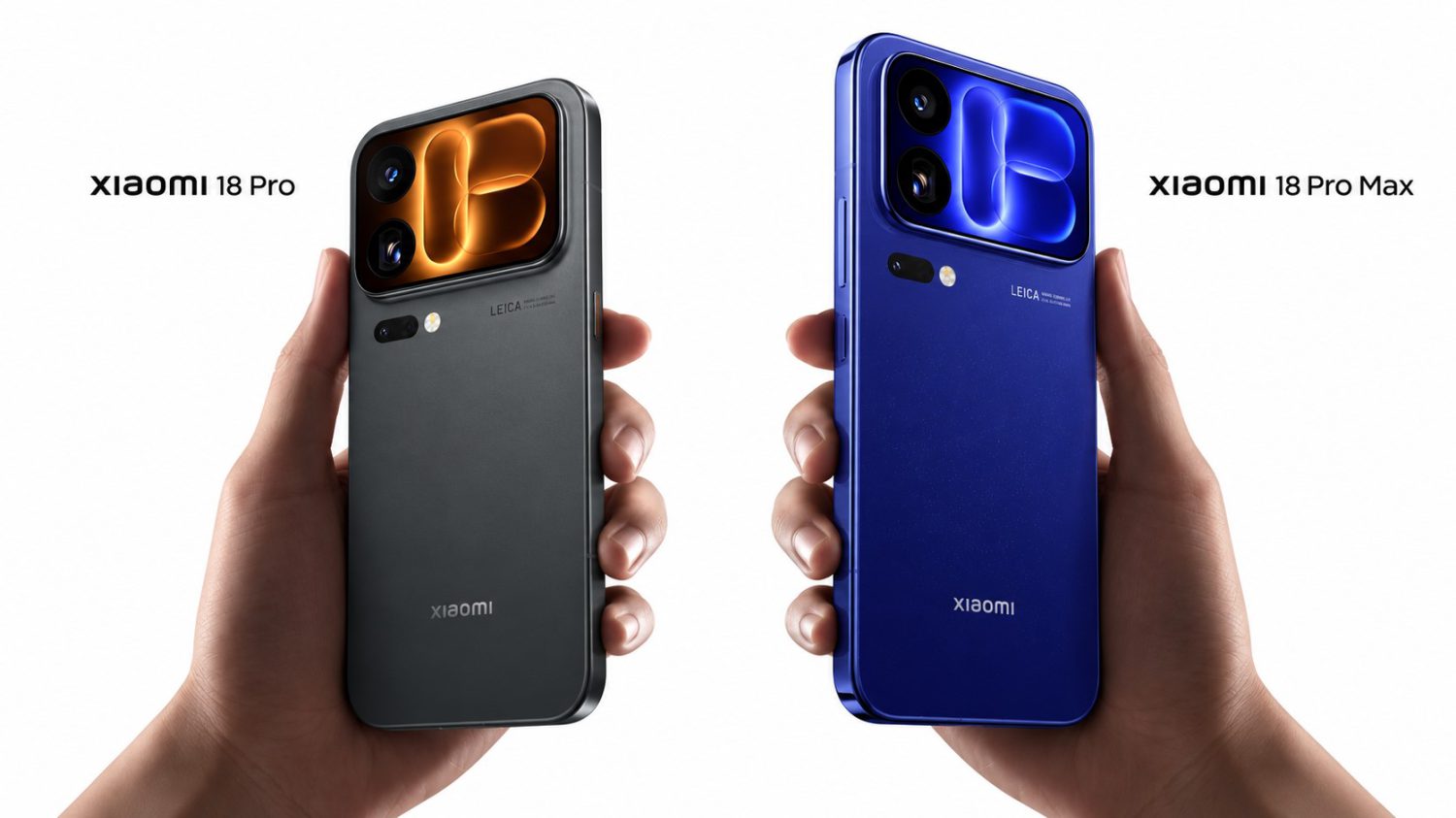
Xiaomi launched the 18 Pro and 18 Pro Max in China on September 23, 2026, with the 18 Pro reported as the first device to ship with the Snapdragon 8 Elite Gen 6, while the Pro Max carries the higher-tier Snapdragon 8 Elite Extreme Gen 6. Both are described in launch coverage as 2nm flagship platforms, though independent benchmark results are not yet available.
Chips, Displays, and That Number on the Back
Two screen sizes, one rear-panel trick, and a processor story that splits the lineup in two.
The 18 Pro runs a 6.4-inch 2K-class LTPO AMOLED display; the Pro Max steps up to 6.9 inches. Both panels support a 1–120Hz variable refresh rate and a manufacturer-rated peak brightness of 4,000 nits, which reflects maximum output rather than sustained brightness in everyday outdoor use. Dragon Crystal Glass 3 covers both screens.
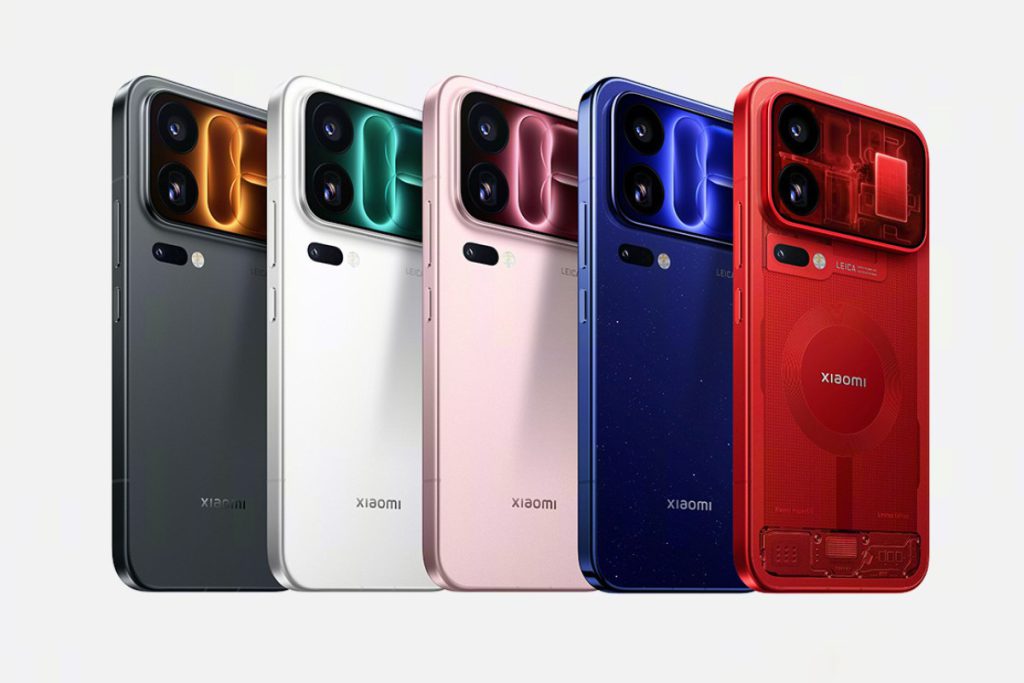
The rear display is the more unusual story. Xiaomi treats it as a small software platform: the 18 Pro has a 2.66-inch OLED display, while the Pro Max gets a 2.86-inch, 120Hz OLED. Both let you frame selfies using the main rear cameras, run AI-generated wallpapers and widgets, and interact with Xiaomi’s Xiao AI assistant. Reported mini apps include a water-intake reminder, an egg-cooking timer, and a recipe tool, suggesting Xiaomi is positioning the rear screen as genuinely functional rather than decorative.
Key specs at a glance:
- Processors: Snapdragon 8 Elite Gen 6 (18 Pro), Snapdragon 8 Elite Extreme Gen 6 (Pro Max)
- Cameras (shared, Leica-branded): 200MP main sensor (1/1.28-inch, 23mm), 200MP periscope telephoto (1/1.56-inch, 75mm, 3.2x optical zoom), 50MP ultrawide (102-degree field of view)
- Batteries: 7,000mAh (18 Pro) and 8,500mAh (Pro Max); 100W wired charging on both models
- Rear displays: 2.66-inch OLED (18 Pro), 2.86-inch 120Hz OLED (Pro Max)
- Starting prices: CNY 5,999 (18 Pro) and CNY 6,999 (Pro Max); approximate dollar equivalents of $895 and $1,045 are currency conversions, not confirmed international prices
Privacy Mode With an Actual Hardware Layer
Xiaomi’s privacy feature narrows the viewing angle at the panel level, going further than a software overlay.
Most privacy modes are software overlays. Xiaomi’s implementation reportedly works at the hardware level, narrowing the viewing angle so that anyone looking at your screen from the side has a much harder time reading it. Think of it as the smartphone equivalent of a laptop privacy screen, built into the panel itself.
Xiaomi claims the feature is more configurable than Samsung’s Galaxy S26 Ultra privacy implementation, with location-based triggers and the ability to restrict notifications, floating windows, and split-screen while active. A dedicated AI button on the left side handles quick access. These remain manufacturer claims; viewing-angle effectiveness, brightness impact, and power consumption all require hands-on testing that has not yet been completed.
Batteries, Cameras, and the Value Question
Large capacity numbers look promising, but the sharpest question is what the Pro Max premium actually buys.
The 18 Pro’s 7,000mAh battery represents an 11% increase over its predecessor; the Pro Max’s 8,500mAh is a reported 13% jump. Both support 100W wired charging. Wireless charging is listed as 50W in some launch coverage and 27W in other reports; verify the confirmed figure against Xiaomi’s official specifications before making a purchase decision.
One detail worth noting for anyone comparing the two models: the rear camera hardware is identical across both phones, so the Pro Max premium buys a larger display, a larger battery, and the higher-tier Snapdragon variant rather than a different camera system. Both phones run HyperOS 4 and carry an IP69 rating, indicating protection against dust and high-pressure water jets.
Global availability and market-specific pricing require confirmation from Xiaomi’s official regional announcements. Hands-on testing will still need to establish real battery endurance, how much the privacy display affects brightness, and whether rear-screen mini apps prove useful beyond the demo stage.