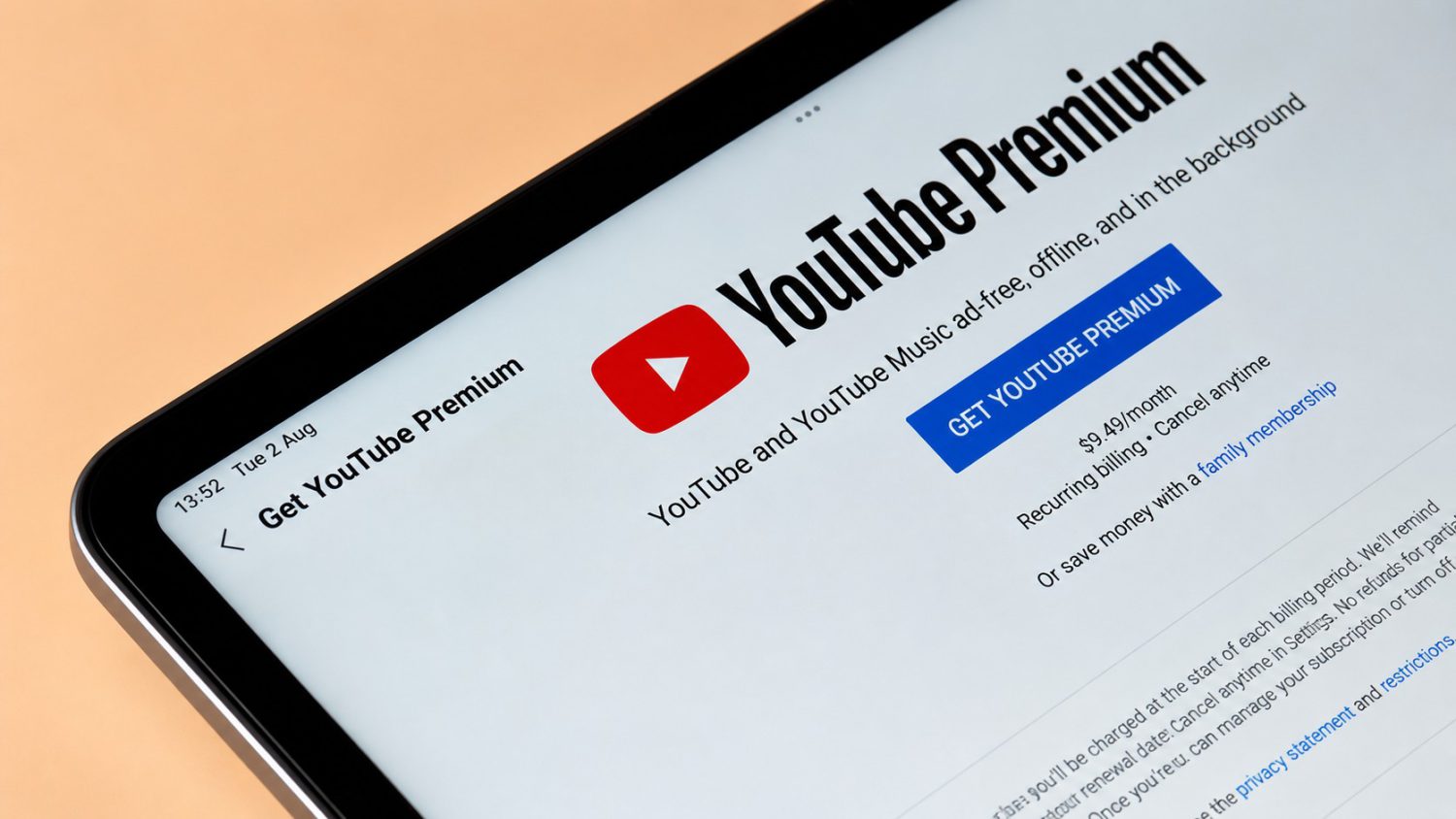
You’re 90 seconds into a Markiplier video when he pivots to a smooth NordVPN transition. You paid $15.99 a month specifically to avoid this moment. You check your account. Still YouTube Premium. Still subscribed. Still listening to a VPN pitch.
That’s the friction two class action lawsuits are now trying to put a dollar figure on — and courts on both sides of the border are paying attention.
Two Countries, One Complaint
Paying subscribers in California and British Columbia say YouTube’s “ad-free” promise doesn’t survive contact with a creator sponsorship read.
In July 2026, California residents William Flemming and Devin Rose filed suit in the U.S. District Court for the Northern District of California (Flemming et al. v. Google LLC et al., 3:26-cv-07812). Their argument: phrases like “Unlimited ad-free videos” and “No interruptions” set expectations YouTube doesn’t deliver. The complaint specifically names Theo Von, Kallmekris, and The Diary of a CEO as examples of creator channels where sponsored segments still run for paying subscribers.
Then in August, three British Columbia residents — Thirumugham Palaniappan, Jason Kooner, and Connor MacLeod — filed a parallel suit in the Supreme Court of British Columbia. Their complaint cuts sharper. YouTube “intentionally created a structural loophole,” they argue, because “although the source and delivery mechanism of the advertisements changed, the commercial interruption experienced by subscribers remained substantially the same.”
Key facts from both filings:
- Both suits seek restitution of subscription fees paid under allegedly false advertising
- Both seek injunctions forcing YouTube to rewrite its “ad-free” marketing claims
- The Canadian complaint invokes Canada’s Competition Act and BC’s Business Practices and Consumer Protection Act
- U.S. Premium costs $15.99/month individually; family plans run $26.99/month — pricing that rose roughly 17% during recent hike cycles
YouTube’s Fine Print Is Doing Heavy Lifting
The company’s own Help Center acknowledges what “ad-free” actually excludes — just not anywhere near the subscribe button.
YouTube’s position is technically defensible. Its support pages confirm that Premium removes platform-served ads — pre-rolls, mid-rolls, overlays — while explicitly noting that users “may still see branding or promotions embedded in content, when such messaging is added by the creator.” That disclosure exists. It’s just buried well past the point where most subscribers have already entered their credit card number.
This is the Netflix password-crackdown dynamic playing out differently: a platform discovering how much fine print subscribers will tolerate before they stop accepting the terms. The answer, apparently, is two class actions and counting. Much like how secretly tracking users through obscured disclosures has drawn scrutiny elsewhere, platforms burying key terms past the point of purchase reflects a broader pattern.
For creators, the stakes are equally real. Sponsorships aren’t side income — for many channels, they’re the primary revenue stream. A ruling that restricts how integrated promotions appear for Premium viewers could fundamentally reshape how creators monetize their audiences, regardless of which platform they’re on.
What Happens Next Matters Beyond YouTube
Courts are about to define what “ad-free” legally means — and that definition could force a rewrite across the entire subscription economy.
Whatever these courts decide, the ripple effect extends well past YouTube. Every streaming service currently marketing an “ad-free” tier will be watching the outcome closely. Spotify, Apple TV+, and newer ad-supported platforms that offer paid upgrades all rely on similar language to justify their premium pricing. A ruling grounded in how an ordinary consumer interprets “no ads” could pressure all of them to get more specific — distinguishing platform-served advertising from embedded commercial content in ways their current marketing deliberately avoids. Regulators have already moved to restrict Google from handling sensitive data in certain contexts, signaling growing appetite for Big Tech accountability. The question courts will ultimately answer isn’t just whether YouTube misled its subscribers. It’s what “ad-free” is actually allowed to mean.