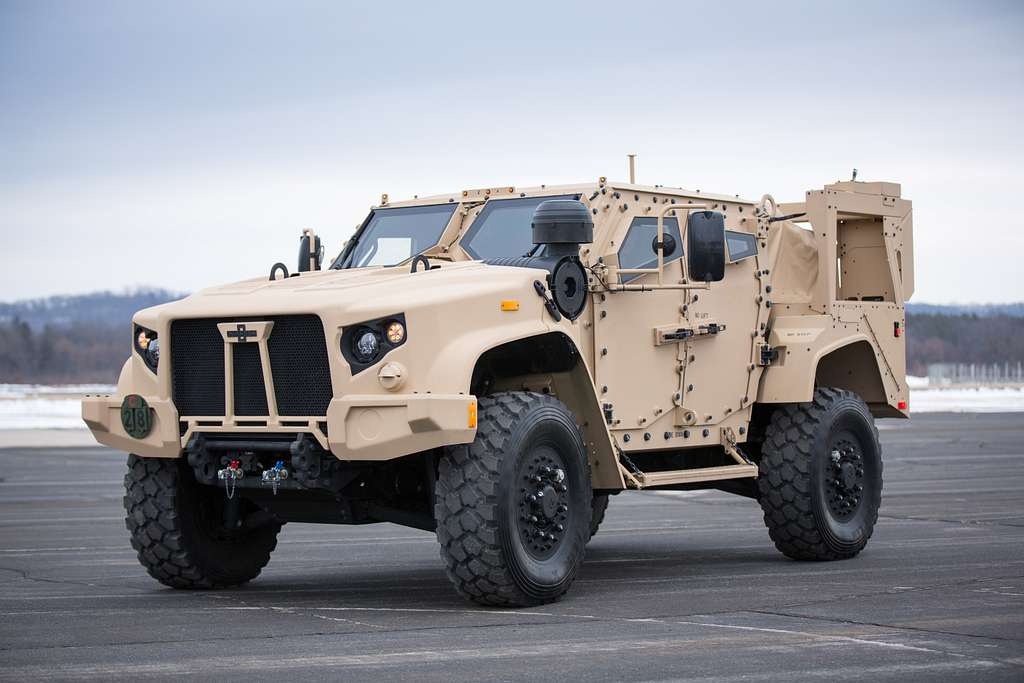
Executive Order 14057 isn’t messing around. Federal agencies must convert 100% of its light-duty fleet to electric by 2027, with heavy-duty vehicles following by 2035. Congress sees the trap coming, though. The Military Vehicle Fleet Electrification Act explicitly bans battery components from “hostile foreign countries like China and Russia”—essentially admitting that Beijing controls the supply chains for the very technology we’re mandating. It’s like building your entire defense strategy around materials your biggest rival controls.
The technical realities are sobering. Military base planners openly acknowledge that power outages will “create logistical issues for personnel who rely on EVs.” Translation: when the grid fails, your mobility dies.
Charging infrastructure requires extensive hardening against floods, storms, and—presumably—incoming missiles. Meanwhile, lithium-ion batteries deliver impressive performance but introduce new failure modes that differ significantly from traditional fuel systems.
Here’s the strategic pickle: electrification offers genuine tactical advantages. Silent running capabilities make reconnaissance units nearly invisible. Hybrid systems reduce fuel convoy exposure—those supply runs that turned Iraq highways into shooting galleries.
The Colorado Army National Guard aims for 30% electrified vehicles by 2026, betting that distributed power beats centralized fuel depots. But this trades one dependency for another. Instead of protecting fuel trucks, you’re protecting generators, charging stations, and the high-tech supply chains that keep batteries functional.
The military has always adapted to new technologies, from horses to helicopters. The question isn’t whether electrification makes sense—it’s whether we’re building resilience or just swapping vulnerabilities. Smart money says the future force needs both electrons and hydrocarbons, with enough redundancy to fight when the perfect plan meets imperfect reality.