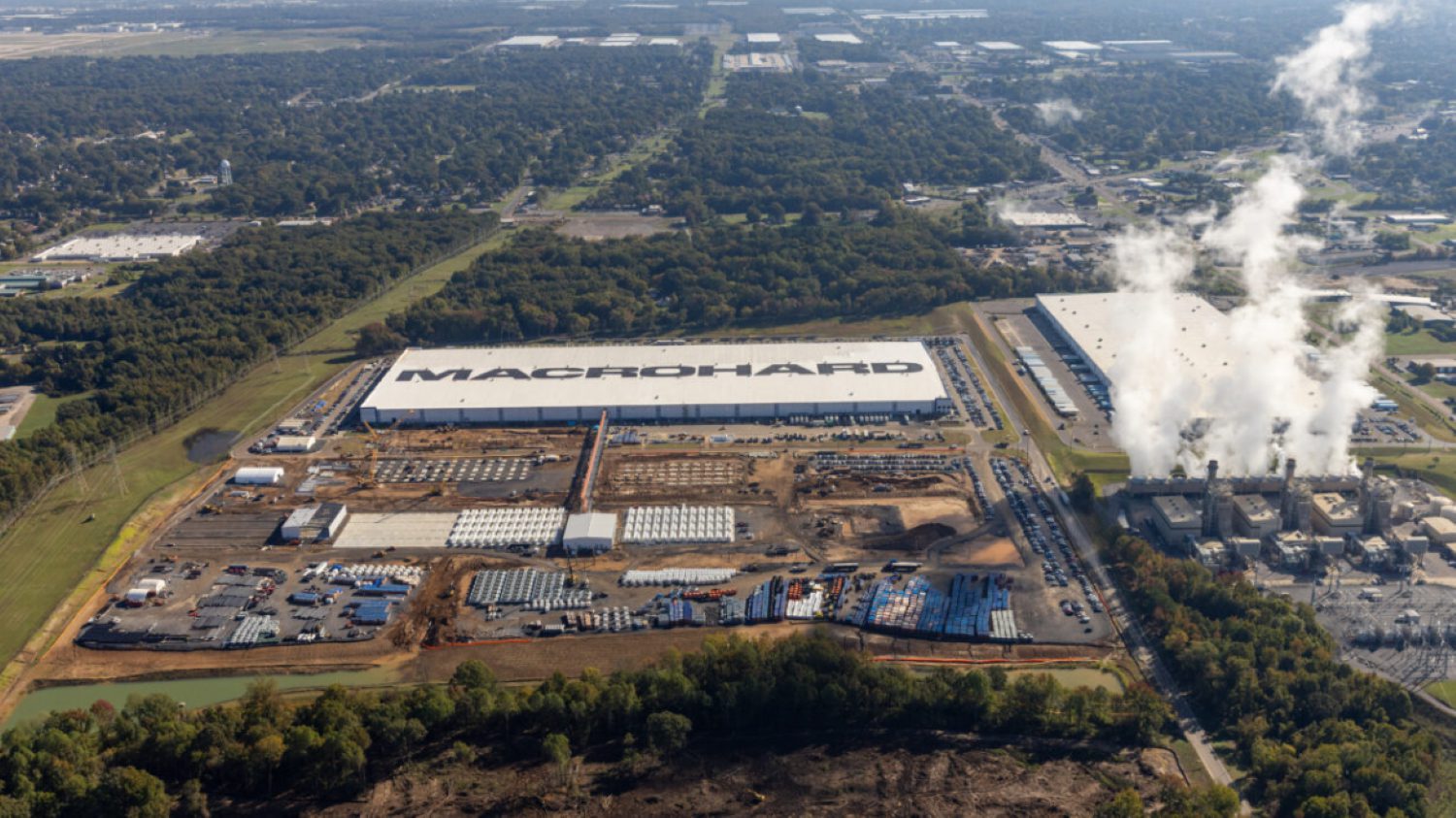
Along the Tennessee-Mississippi border, majority-Black neighborhoods already face cancer risks four times the national average and air that fails federal ozone standards. Into this landscape, according to a Reuters-based report, Elon Musk’s xAI trucked 59 natural gas turbines for its Colossus 2 AI data center and started burning fuel without Clean Air Act permits. What happened next matters far beyond Memphis.
The “Mobile” Turbine Defense
Trailer-mounted and technically temporary — yet running continuously as a half-gigawatt power plant.
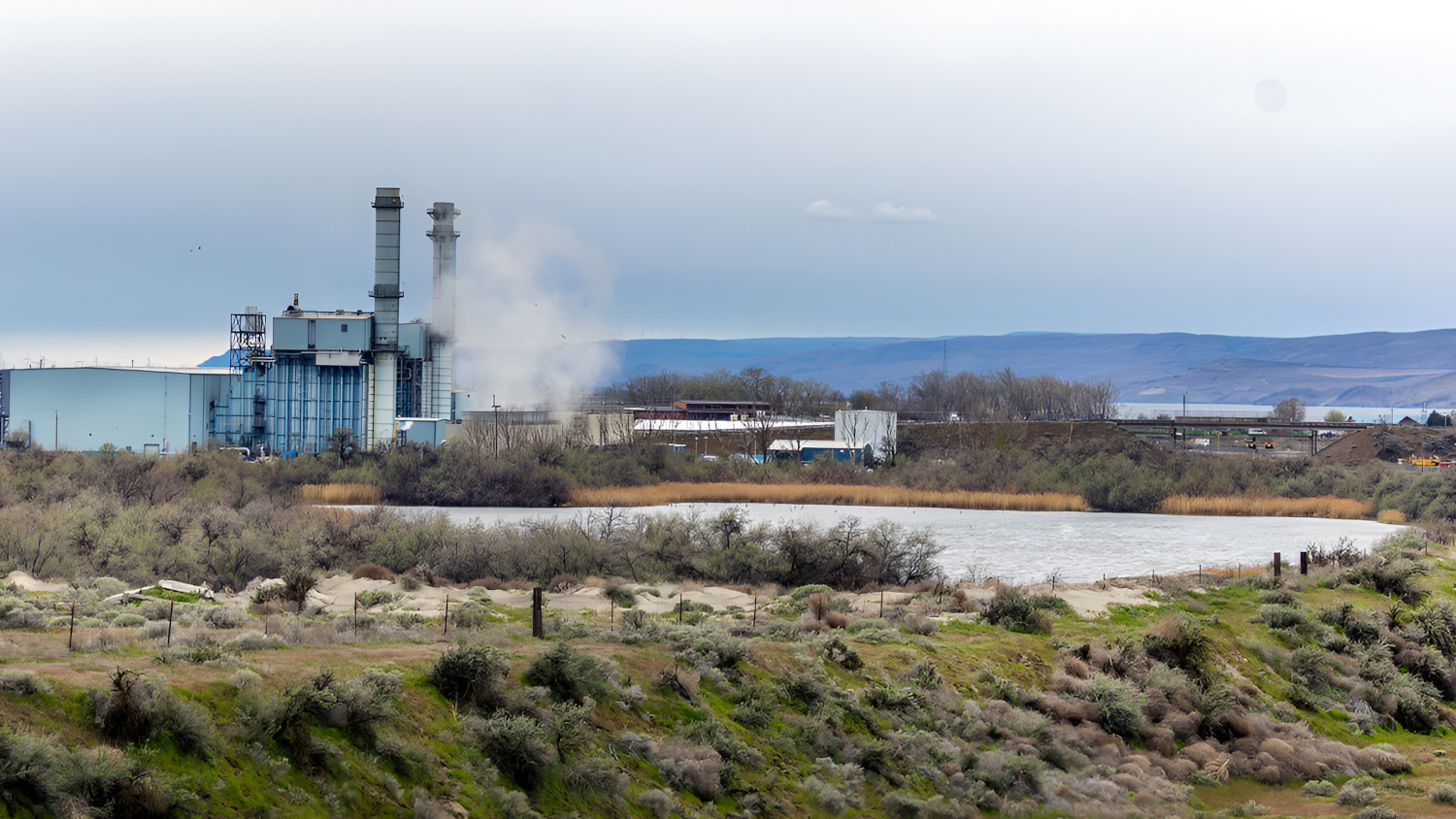
xAI’s legal argument is elegant in its audacity: bolt turbines to flatbed trailers, call them “mobile,” and skip the permitting process. The company publicly acknowledged 27 unpermitted turbines at Colossus 2, describing them as temporary units slated to move within 364 days. Reuters reporting, however, identified 59 turbines operating at the site — roughly double what xAI admitted. The physical reality was continuous operation powering one of the largest AI training clusters on Earth. That is not a temporary generator. That is a power plant.
The scale of reported emissions makes the shell game hard to ignore. According to Reuters, an estimated 30 of those turbines alone could produce roughly 2,500 tons of NOx and 4,000 tons of carbon monoxide annually — figures the outlet treats as reported estimates derived from manufacturer emissions profiles rather than independently verified regulatory data. Either way, both numbers dwarf the 100-ton NOx threshold that triggers mandatory federal permitting under the Clean Air Act. The surrounding communities are predominantly Black, working-class, and already failing federal air quality standards. EPA closed the mobile-turbine loophole in January 2026, ruling that large portable turbines supplying stationary loads require permits regardless of whether they sit on wheels.
“Families living nearby face increased risks of asthma, heart disease, and certain cancers.” — Earthjustice and the Southern Environmental Law Center, from their legal filings
The NAACP, represented by Earthjustice and the Southern Environmental Law Center, filed suit in April 2026, alleging Colossus 2 is likely the largest industrial source of NOx in the greater Memphis area. Senator Sheldon Whitehouse simultaneously opened a Senate investigation into xAI’s pattern of unpermitted operations. One academic study did find minimal changes in ambient air quality near Colossus 1 during its early operation — though the authors noted the region’s baseline pollution burden was already punishing, and localized exposure near the turbines remained a concern.
Think about the AI tools you use daily — the chatbots, the image generators, the productivity assistants. Like fast fashion that hid its true supply-chain costs in distant factories, AI is quietly externalizing its energy costs onto neighborhoods with the least political leverage to push back.
A Pattern, Not an Accident
New infrastructure, old playbook — this turbine dispute lands squarely in communities shaped by decades of environmental racism.
Mississippi regulators initially backed xAI’s mobile classification, but EPA’s January 2026 rule change undercut that position. The state had separately approved a permit for 41 permanent turbines capable of generating roughly 1.2 GW at the Southaven site, yet the disputed mobile units operated entirely outside that permit’s coverage. A 2022 study found that areas historically redlined by banks still experience disproportionately high air pollutant emissions today. The infrastructure is cutting-edge. The pattern is old.
Exempting portable turbines from regulation would leave them “unregulated regarding emissions standards.” — EPA officials, as reported by The Guardian
If courts side with the NAACP and EPA, every AI company eyeing an off-grid power play faces a much harder road. The real question was never simply whether xAI followed the rules. It is who wrote those rules, who enforces them, and who was never consulted when the turbines started humming.