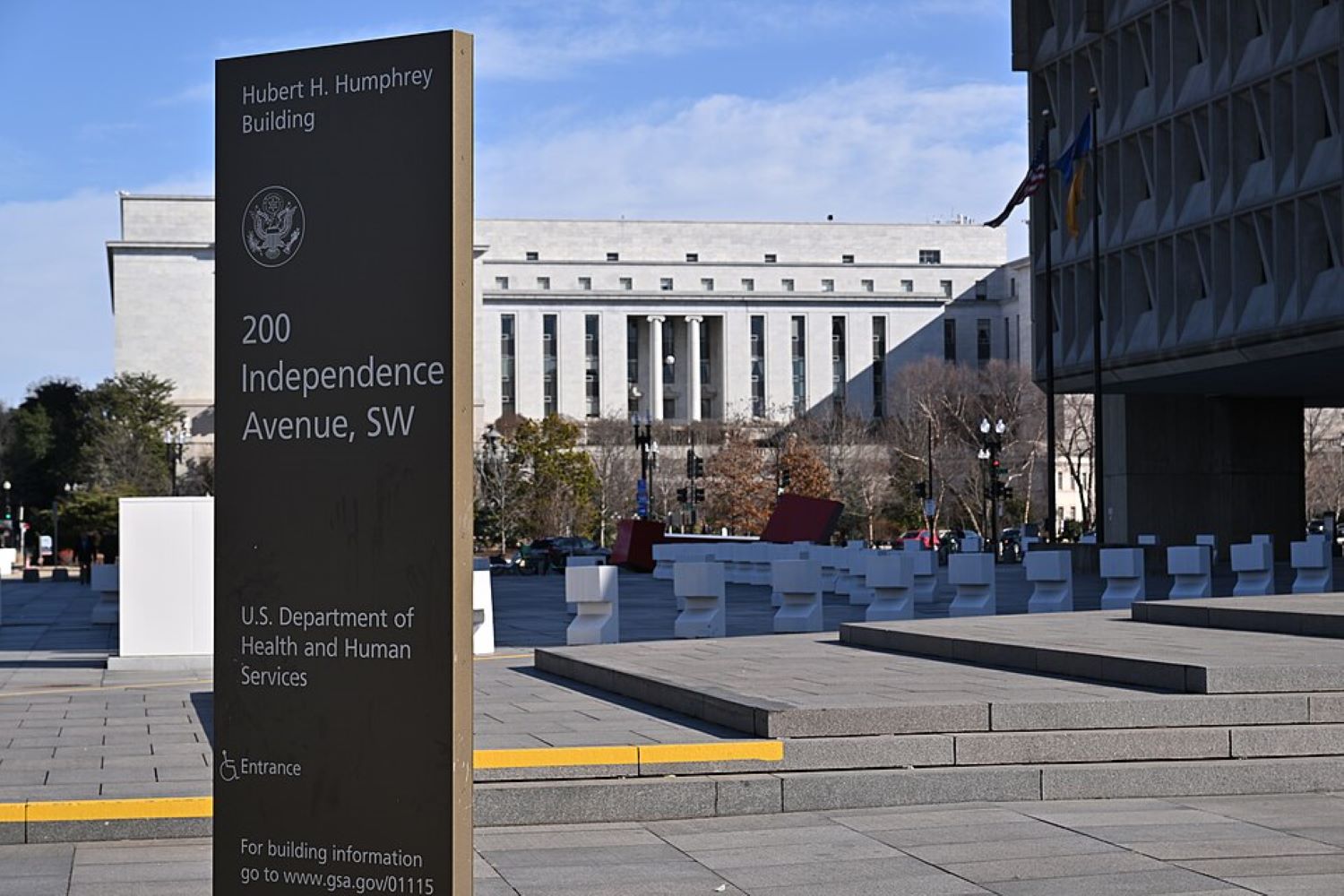
A compliance deficiency flagged in 2022, quietly corrected, buried in a filing cabinet and a federal database. Now it’s back — surfaced not by a human auditor but by an AI tool that scanned five years of records across all 50 states. On May 21, 2026, HHS announced AERO, its Audit Enforcement and Resolution Operation: a department-wide sweep using AI-powered tools, reportedly including ChatGPT, targeting any entity spending $1 million or more in annual federal funds. The stakes include withheld Medicaid payments and debarment. The published error rate? Nonexistent.
Five Years of Audit History, One Algorithm, Zero Published Validation
AERO’s AI-powered sweep of Single Audit records puts hospitals, nonprofits, and state agencies on notice — with no public validation framework in sight.
AERO scans Single Audit records hunting repeat deficiencies, material weaknesses, unresolved internal-control failures, and delinquent filings across all 50 states. According to reporting on the announcement, HHS officials described a longstanding problem with audits that go unaddressed after filing. Early reviews reportedly identified deficiencies sitting unresolved for five or more years, along with a significant number of grantees missing required audit submissions entirely — though these specific findings have not been independently verified.
Any entity clearing $1 million in annual federal funds is a potential target. That includes:
- Hospitals and health systems receiving Medicaid reimbursements
- State Medicaid agencies administering federal dollars
- Nonprofits providing federally funded health services
- Public universities with research or student-aid grants
- Local governments spending federal block grants
An Algorithm Making Enforcement Calls – With No Rulebook Published
The consequences of an AI-generated flag are not theoretical — and the absence of a published validation study makes that a serious problem.
Enforcement consequences are not hypothetical. Withheld payments. Disallowed costs. Suspension or termination of awards. Debarment proceedings that bar an entity from every federal program. AERO reportedly launched without a public solicitation, notice-and-comment process, or published validation study. Legal practitioners have raised concerns that AI-generated findings may not satisfy the Administrative Procedure Act’s requirement for a reasoned agency basis if fed directly into enforcement actions — a concern attributed to practitioners, not HHS.
The core technical problem is familiar to anyone whose bank account was frozen over a transaction they already disputed. Large language models produce confident output even when underlying records are incomplete or ambiguous. Whether a correction was filed and recognized in the source data is precisely the kind of nuance an LLM can get confidently, consequentially wrong — except here, the frozen account is your hospital’s operating budget.
HHS’s own AI governance standards reportedly call for bias testing, human oversight, transparency, and pre-clearance before deploying rights-impacting AI. Whether AERO was assessed under those standards before launch remains unclear, per available reporting. Supporters argue the tool legitimately surfaces long-ignored deficiencies at scale. Critics compare it to platform content moderation — automated, opaque, and indifferent to false positives (per HHS press release, May 21, 2026). Notably, concerns about government health data governance and AI oversight have drawn scrutiny well beyond U.S. borders.
Compliance teams would be prudent to pull the last five years of Single Audit submissions now. Every deficiency should have a documented, recognized correction on file — not just internally, but confirmed in the federal audit database. If AERO works as intended, every federal agency just received a ready-made template.