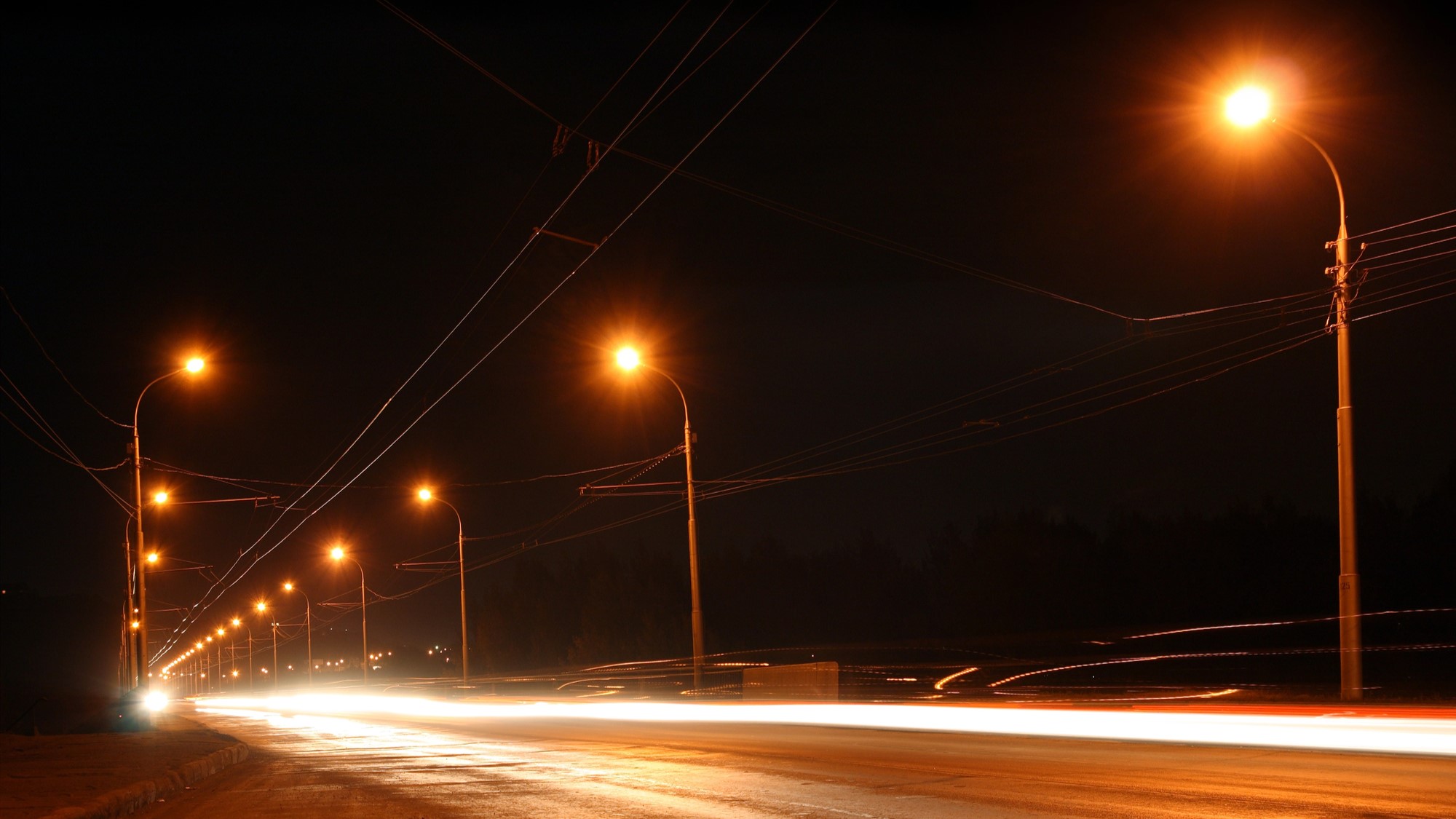
That small stub on top of nearly every LED streetlight? Most people assume it’s a photocell — a dumb sensor that flips the light on at dusk. It’s not. Or not just that. It’s a standardized NEMA socket, and cities are quietly filling it with IoT controllers, environmental sensors, wireless gear, and cameras. The National Electrical Manufacturers Association defines how these connectors work, and the resulting plug-and-play architecture means a streetlight can become a surveillance node about as easily as you’d swap a light bulb. Energy savings sold the project. What got built is infrastructure for AI-driven monitoring.
What a NEMA Node Actually Is
A standards body most people have never heard of created the universal adapter powering city-wide sensing.
NEMA — the National Electrical Manufacturers Association — publishes specifications for how electrical products connect and communicate, according to the organization’s connected building systems documentation. The “node” is an IoT controller that slots into a standardized socket atop a streetlight fixture. It handles remote dimming, fault detection, and energy management. That same socket and power supply also accepts cameras, environmental sensors, and wireless communication hardware. One plug, many possibilities.
Here’s what cities are connecting:
- Remote lighting control and energy monitoring — the stated purpose
- Environmental sensors measuring air quality, noise, and temperature
- Traffic and pedestrian counters
- Cameras, including license-plate readers similar to Flock deployments
- 5G small cells and municipal Wi-Fi access points
You can spot a Flock camera easily — that obvious white box bolted to a pole practically announces itself like a verified account demanding attention. A NEMA node is the size of a hockey puck and looks like part of the fixture. That invisibility is the point. Smart-city platforms aggregate this sensor data centrally, where AI tools analyze movement patterns and anomalies, according to infrastructure management research from ifactoryapp.com.
NEMA frames its connected systems as tools for “energy savings, emissions reduction, resilience, and productivity.”
Smart meters and networked thermostats started this pattern years ago — efficiency device doubles as data-collection point. NEMA now also participates in AI data-center power frameworks, according to reporting by gentic.news. That positions the same standards body at both ends of the pipeline: edge sensors on your street and the backend infrastructure processing what those sensors collect. This isn’t conspiracy. It’s architecture designed to scale.
The Part Nobody’s Regulating Yet
Standardized interfaces mean surveillance capabilities can be added without a single public hearing.
If you already care about what Flock cameras collect, NEMA nodes deserve more scrutiny — because they don’t require a ribbon-cutting ceremony to get cameras added later. The standardized interface means capabilities can be upgraded or swapped in during routine maintenance, with no new hardware footprint announcing the change. Vehicle-to-everything (V2X) deployments extend this further, pulling in vehicle telemetry from roadside units and connected cars. Specific regulatory frameworks governing data collected by these nodes remain limited and inconsistent across jurisdictions, much like those exposed when secretly tracking users without meaningful oversight.
The efficiency benefits are real. The surveillance potential is equally real. Governance frameworks capable of separating the two barely exist right now. What cities call infrastructure, civil-liberties advocates increasingly call a mesh. The streetlight just stands there either way.