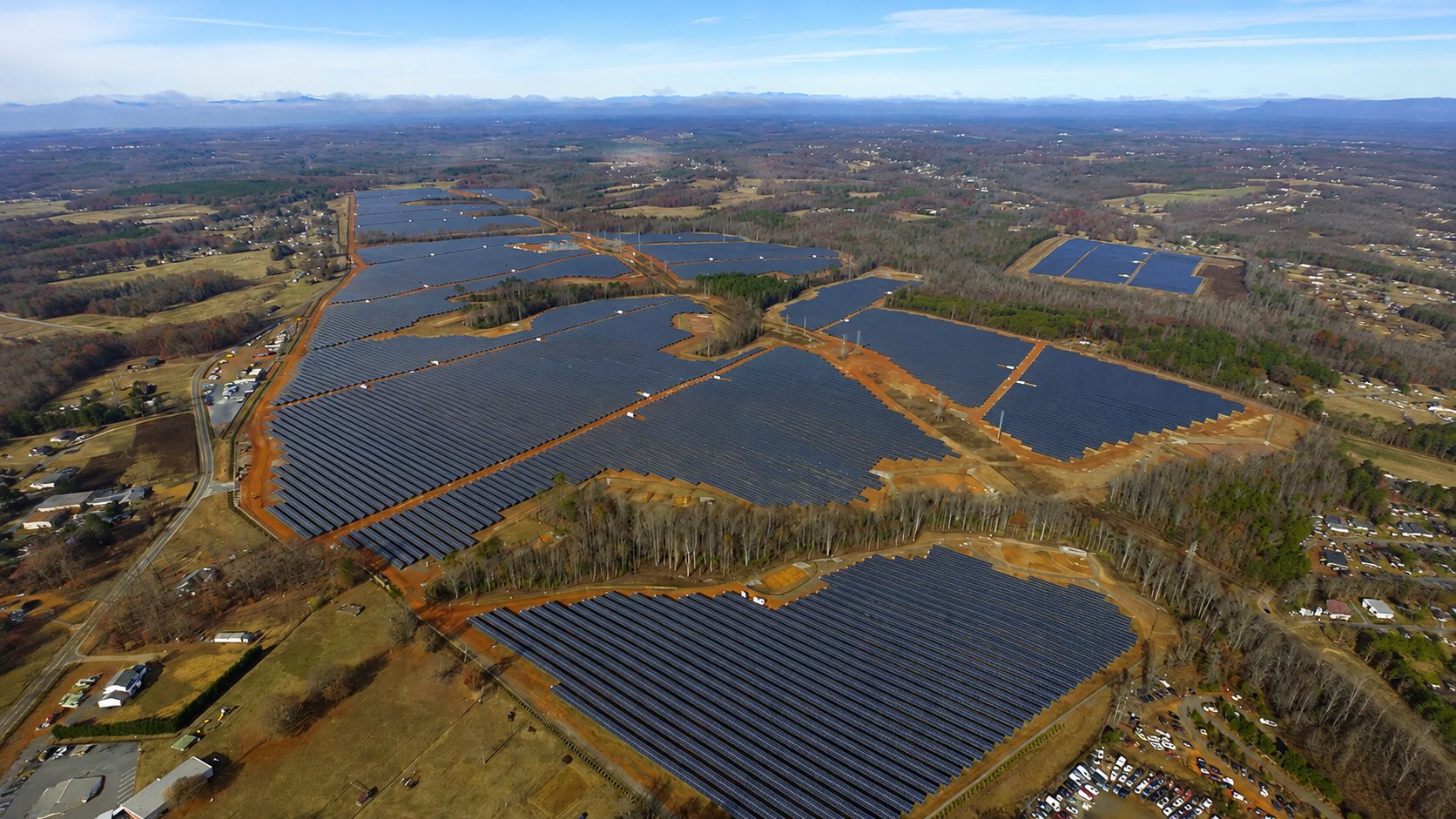
Google has reportedly contracted for 100% of the initial output from the Steel River Energy Center, a sprawling solar-plus-storage project in Arkansas. The catch? That electricity flows into the regional grid, not into Google’s data centers. The same grid still burning gas and coal.
Google’s electricity consumption rose 37% last year, driven largely by AI workloads — and emissions climbed by the same amount. That distinction matters more than ever.
A $3.5 Billion Bet on Sun and Batteries
The Steel River Energy Center is one of the largest solar-plus-storage projects in U.S. history, and Google reportedly wants all of it.
Here’s what the deal reportedly includes:
- Steel River Energy Center, Mississippi County, Arkansas, developed by Cypress Creek Energy
- Phases 1 and 2: 1.63 GW solar, 1.9 GWh battery storage, backed by $3.5 billion in financing
- Full three-phase buildout by 2029: 2.45 GW solar, 2.9 GWh storage
- Grid-connected through MISO territory — power enters the regional grid, not Google facilities directly
- U.S.-manufactured steel and solar panels
Clean Energy Credits vs. Clean Electrons
Google gets the accounting credit, but the electrons powering its servers at any given moment might still come from fossil fuels.
The mechanism here is a virtual power purchase agreement, or PPA. Google pays for clean energy production and claims the environmental credit. The actual electricity serving its servers, however, could still come from whatever the MISO grid is generating — often natural gas.
Think of it like streaming a Peloton class while eating pizza on the couch. The workout happened somewhere. Just not where you are.
Google isn’t alone in using this playbook. Meta reportedly bought the full output of a 200 MW Texas solar plant. Amazon locked up the troubled 1.2 GW Sunstone solar-and-battery project in Oregon. This is an industry-wide strategy now, not a one-off gesture.
Critics of virtual PPA accounting argue these deals reduce emissions on spreadsheets without eliminating the fossil generation actually serving a company’s load when power gets consumed. That’s the tension nobody in Big Tech wants to discuss too loudly.
What Comes Next
If AI-driven electricity demand keeps climbing — and every projection suggests it will — expect multi-gigawatt PPA deals stacking up like franchise sequels with no end date.
Whether deals like Steel River represent genuine decarbonization progress or very expensive bookkeeping is a question regulators and shareholders will eventually have to answer. Given that Google’s emissions rose in lockstep with its electricity growth last year, the math isn’t flattering yet — and this story is nowhere close to over.